
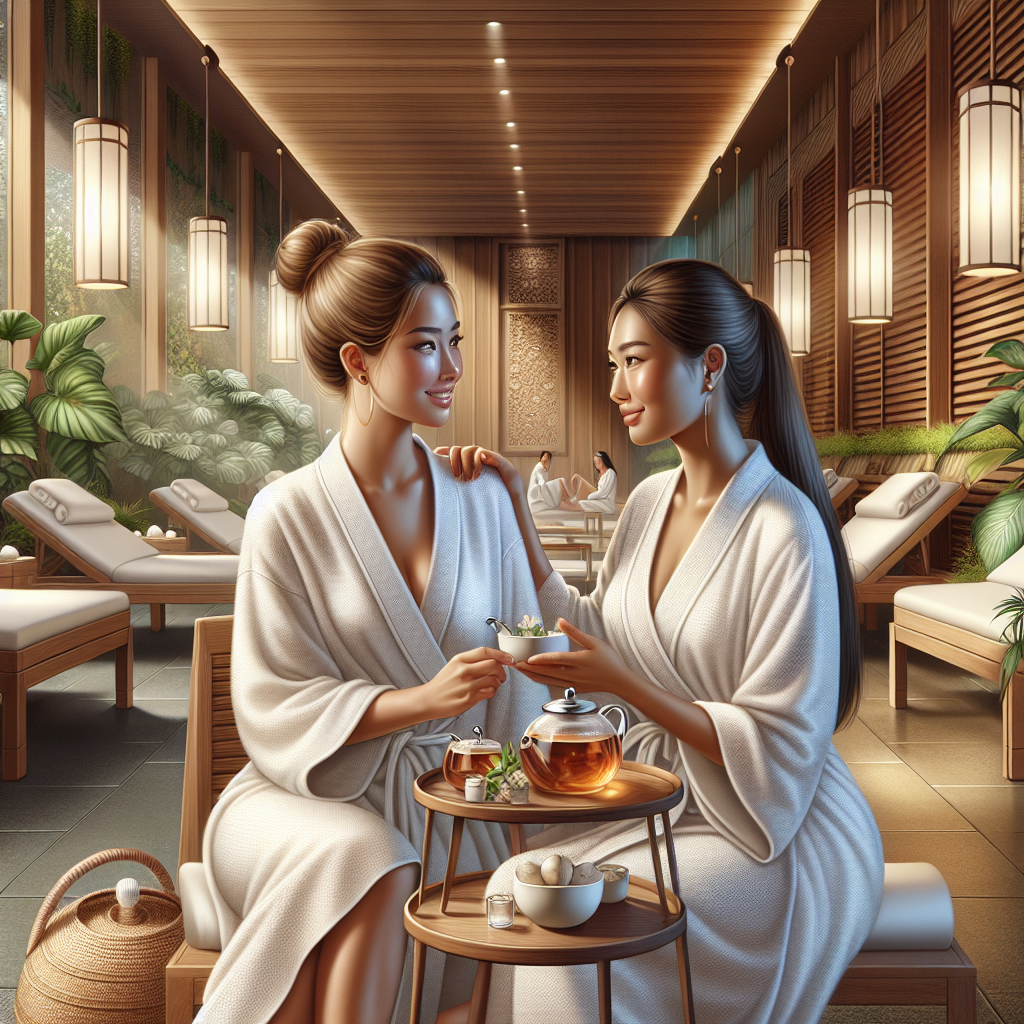
HomeSpaSpa Days for Mum and Daughter - Creating Unforgettable Wellness Moments Together

Spa Days for Mum and Daughter – Creating Unforgettable Wellness Moments Together

Author

Date

Category

Picture this: You and your daughter stepping into a tranquil oasis where the outside world fades away, replaced by soothing aromatherapy scents, gentle music, and the promise of uninterrupted quality time together. Spa days for mum and daughter have become increasingly popular as families recognize the profound value of shared wellness experiences that nurture both body and mind while strengthening the irreplaceable bond between mothers and their daughters. As someone who already appreciates the relaxation benefits of soaking in your home hot tub, you understand how therapeutic environments create space for meaningful connection and genuine renewal.

The modern mother and daughter spa day extends far beyond simple pampering. Research from the National Institutes of Health demonstrates that spa therapy produces measurable physiological benefits including reduced cortisol levels, improved cardiovascular function, and enhanced mental wellbeing. When combined with dedicated one-on-one time with your daughter, a mother daughter spa day becomes a powerful investment in relationship health that creates lasting memories while delivering scientifically validated wellness outcomes. Whether you’re celebrating a milestone birthday, reconnecting after a busy season, or simply prioritizing the relationship that matters most, these experiences offer something increasingly rare in our fast-paced world: unhurried, present, meaningful time together.

This comprehensive guide explores everything you need to know about planning and enjoying spa days with your daughter, from understanding treatment options and health benefits to navigating age requirements and creating lasting wellness traditions. You’ll discover practical planning strategies, evidence-based information about physical and mental health improvements, and insider knowledge to ensure your spa experience exceeds expectations. Let’s explore how to transform a simple day at the spa into an unforgettable bonding experience that strengthens your relationship while promoting holistic wellness for both of you.

1. Understanding the Mother Daughter Spa Day Experience

The contemporary mother and daughter spa day represents a sophisticated wellness experience that combines therapeutic treatments with dedicated bonding time in environments specifically designed for relaxation and renewal. Unlike quick beauty appointments or rushed salon visits, these experiences encompass comprehensive wellness journeys that typically include multiple treatments, access to thermal facilities, nutritious dining options, and tranquil spaces designed for connection and conversation. The wellness industry has evolved significantly over the past two decades, shifting from basic beauty services to integrated health experiences that address physical, mental, and emotional wellbeing simultaneously.

Professional spa facilities now recognize that shared wellness experiences serve unique purposes beyond individual treatments. Mother daughter packages often include coordinated scheduling that allows you to enjoy treatments side-by-side or in sequence, maximizing your time together rather than separating you throughout the day. Most comprehensive spa days include access to amenities like steam rooms, saunas, relaxation lounges, and hydrotherapy pools where you can unwind together between scheduled treatments. Many facilities have designed their offerings specifically around the growing demand for family wellness, creating environments that feel intimate and special rather than clinical or impersonal.

The spa industry has documented steady growth in multi-generational wellness bookings, with mother daughter experiences representing one of the fastest-growing segments. This trend reflects broader cultural shifts toward experiential gifts, wellness tourism, and intentional quality time with loved ones. For those who already maintain home hot tubs, professional spa visits offer complementary experiences that introduce new treatments, techniques, and wellness approaches you might incorporate into your regular relaxation routines. The combination of professional expertise, specialized equipment, and dedicated time away from daily responsibilities creates conditions that simply cannot be replicated at home, no matter how excellent your personal wellness setup may be.

“While Epsom salt works great in bathtubs, understanding can I put Epsom salt in my hot tub is crucial for equipment protection.”

1.1. What Makes These Experiences Special

Several distinctive elements elevate mother daughter spa days beyond standard spa visits. The side-by-side treatment component allows you to share the experience in real time, creating opportunities for connection that solo treatments cannot provide. Many spas offer specialized duo treatment rooms where you and your daughter receive massages, facials, or body treatments simultaneously in the same peaceful space. This arrangement enables conversation during appropriate moments while maintaining the restorative benefits of professional treatments.

Customization options distinguish quality mother daughter packages from generic offerings. Reputable spas assess individual needs, preferences, and any health considerations to tailor treatments appropriately for both generations. Your teenage daughter might receive a gentle introductory massage and age-appropriate facial focusing on teen skin concerns, while you enjoy a more intensive treatment addressing different wellness goals. Adult daughters and their mothers can select complementary treatments that match their individual preferences while coordinating timing to maximize shared relaxation periods.

The intentionality of these experiences matters significantly. Booking a dedicated mother daughter spa day communicates that you prioritize your relationship enough to invest time, resources, and attention specifically in nurturing that connection. This intentional quality time sends powerful messages about the relationship’s value and creates psychological space for meaningful conversations that busy daily life often crowds out.

1.2. Typical Duration and Structure

Half-day spa experiences typically span three to four hours, providing sufficient time for two or three treatments plus facility access and light refreshments. These abbreviated options work well for testing spa experiences together, celebrating occasions with limited time availability, or maintaining regular wellness dates without requiring full-day commitments. A typical half-day might include a coordinated massage and facial with time in relaxation areas between treatments, concluding with healthy snacks or beverages while you decompress before returning to daily life.

Full-day spa experiences range from five to eight hours and offer significantly more comprehensive wellness journeys. These extended visits allow for multiple treatments, leisurely meals, extensive use of thermal facilities, and unhurried relaxation periods that create deeper renewal. You might begin your day with breakfast or morning tea, progress through a body scrub or wrap, enjoy thermal facility time, share a nutritious lunch, receive massage and facial treatments in the afternoon, and conclude with quiet time in relaxation lounges before departure. The pacing of full-day experiences removes the rushed feeling that shorter visits sometimes produce, allowing both physical and psychological benefits to fully develop.

Spa weekend getaways extend the bonding experience to overnight stays at destination spa resorts or wellness retreats. These multi-day experiences incorporate additional elements like fitness classes, meditation sessions, outdoor activities, and evening programs alongside traditional spa treatments. Weekend formats particularly benefit mothers and adult daughters who need significant disconnection from responsibilities or live far apart and want concentrated quality time together. The extended timeframe allows relationships to settle into deeper connection that single-day visits, while wonderful, may not fully achieve.

Spa Days for Mum and Dughter

2. Scientifically Proven Health Benefits of Spa Experiences

Medical research has established substantial evidence supporting the physical and mental health benefits of professional spa treatments, validating what wellness practitioners have long understood intuitively. A landmark study published by researchers at Thomas Jefferson University examined physiological responses to comprehensive spa programs and documented significant improvements across multiple health markers. Participants showed measurable reductions in blood pressure, decreased cortisol levels indicating lower stress, and improved cardiovascular function following regular spa therapy sessions. These findings suggest that spa experiences provide genuine health benefits extending well beyond temporary relaxation.

Japanese researchers conducting longitudinal wellness studies found that regular spa use correlates with better physical and mental health outcomes across diverse population groups. Their research, published in medical journals and cited by the National Institutes of Health, demonstrates that individuals who incorporate spa therapy into wellness routines report fewer stress-related symptoms, better sleep quality, and enhanced overall wellbeing compared to control groups. The study particularly noted benefits for cardiovascular health, with regular spa users showing improved circulation and reduced hypertension risk factors.

Pain management represents another well-documented benefit of spa treatments. Research published in the Journal of Alternative and Complementary Medicine found that massage therapy significantly reduces chronic pain symptoms while improving mobility and functionality in patients with various musculoskeletal conditions. The combination of manual therapy, heat therapy, and hydrotherapy activates multiple physiological mechanisms that decrease inflammation, release muscle tension, and stimulate endorphin production. For mothers managing age-related aches or daughters dealing with athletic strain or workplace tension, these pain-relieving benefits provide practical health value alongside relaxation.

Immune system enhancement through spa therapy has gained increasing research attention. Studies show that treatments incorporating heat exposure, such as sauna use and hot stone massage, stimulate increased white blood cell production and improved lymphatic circulation. The Mayo Clinic references research indicating that regular heat therapy may reduce common illness frequency and support faster recovery when illness occurs. Combined with stress reduction benefits, which independently support immune function, comprehensive spa experiences offer multiple pathways for strengthening the body’s natural defense systems.

“Our comprehensive guide on how to increase pH in hot tub water includes dosage calculations for every tub size.”

2.1. Mental Health and Stress Relief Benefits

Cortisol reduction stands as one of the most significant and well-documented mental health benefits of massage therapy and spa treatments. Research conducted by the Touch Research Institute at the University of Miami School of Medicine found that massage therapy reduces cortisol levels by an average of thirty-one percent while simultaneously increasing serotonin and dopamine levels by approximately thirty percent each. These neurochemical changes explain the profound sense of wellbeing many people experience during and after spa treatments. Lower cortisol directly correlates with reduced anxiety, better emotional regulation, and improved cognitive function.

The neurological response to therapeutic touch extends beyond simple relaxation. When skilled therapists apply appropriate pressure and technique, the nervous system shifts from sympathetic activation, which governs stress responses, into parasympathetic dominance, which facilitates rest, repair, and emotional processing. This shift allows the body to access its natural healing capabilities while the mind experiences the mental clarity that stress often obscures. For mothers and daughters navigating demanding schedules and multiple responsibilities, this enforced nervous system reset provides invaluable mental health support.

Regular spa treatments have demonstrated effectiveness in managing symptoms of anxiety and depression according to research published by the American Psychological Association. While spa therapy should never replace professional mental health treatment when clinically necessary, it serves as a valuable complementary practice that supports emotional wellness. The combination of physical relaxation, sensory pleasure, and dedicated self-care time addresses multiple factors that contribute to mental health challenges, particularly stress-related anxiety that affects millions of people navigating modern life’s pressures.

2.2. Physical Wellness Improvements

Cardiovascular health improvements from spa therapy have attracted considerable research interest. Studies show that heat therapy, whether through sauna use, hot tubs, or warm stone treatments, produces beneficial effects on blood vessel function and blood pressure regulation similar to moderate aerobic exercise. Research published in medical journals documents that regular heat exposure improves endothelial function, enhances circulation, and supports healthy blood pressure levels. For individuals managing cardiovascular risk factors, incorporating professional spa experiences alongside home hot tub use provides multiple avenues for supporting heart health.

Muscle tension relief represents an immediate and tangible benefit most spa visitors experience. Professional massage therapy addresses muscular holding patterns, trigger points, and areas of chronic tension that accumulate from poor posture, repetitive movements, or stress-related muscle guarding. Skilled therapists identify specific areas requiring attention and apply appropriate techniques to release restrictions, improve flexibility, and restore normal muscle function. The combination of manual therapy, heat application, and targeted stretching creates conditions where muscles can release deeply held tension that self-care measures alone often cannot fully address.

Detoxification processes receive support from various spa treatments, though it’s important to understand the science accurately. While the body’s primary detoxification occurs through liver and kidney function rather than through skin, spa treatments support these natural processes by improving circulation and lymphatic flow. Body treatments like dry brushing, lymphatic drainage massage, and hydrotherapy encourage the movement of interstitial fluid and support the lymphatic system’s natural function in removing cellular waste products. Enhanced circulation from heat therapy and massage ensures that oxygen and nutrients reach tissues efficiently while metabolic waste products are transported effectively to elimination organs.

“When your hot tub water is cloudy, don’t panic—follow our systematic approach to restore crystal-clear conditions.”

3. The Psychology of Mother Daughter Bonding Through Shared Wellness

Behavioral science research consistently demonstrates that shared positive experiences strengthen relationship bonds more effectively than material gifts or routine interactions. When mothers and daughters participate in wellness activities together, they create what psychologists call “positive emotional capital” within their relationship. These shared experiences become touchstones of connection that both parties can reference and draw upon during challenging times. The neural pathways associated with positive memories, particularly those involving physical pleasure and emotional connection, remain robust throughout life and continue influencing relationship quality decades after the original experiences.

The mother-daughter relationship holds unique psychological significance across cultures and throughout human development. This primary female relationship influences daughters’ self-concept, emotional regulation, relationship patterns, and approach to self-care throughout their lives. When mothers model wellness prioritization and create opportunities for shared self-care, they transmit powerful messages about the value of mental health, physical wellbeing, and relationship nurturing. These lessons often prove more influential than verbal instruction because they demonstrate rather than simply describe healthy life priorities.

Digital detox represents an increasingly important benefit of spa experiences in our hyperconnected era. Spa facilities typically require or strongly encourage visitors to silence phones and minimize technology use during visits. This enforced disconnection creates rare opportunities for genuine presence with each other. Without the constant pull of notifications, messages, and scrolling habits, mothers and daughters can engage in deeper conversations, comfortable silence, and authentic emotional connection. Research on attention and relationship quality shows that even the presence of phones on tables reduces conversation depth and emotional intimacy, making phone-free environments particularly valuable for relationship strengthening.

The wellness environment itself facilitates psychological openness and vulnerability that casual conversations in daily settings often lack. Something about the combination of physical relaxation, beautiful surroundings, and dedicated time together creates conditions where both parties feel safer sharing thoughts, feelings, and experiences they might otherwise keep private. Therapists have long recognized that physical relaxation helps people access emotional awareness more readily, and many find that difficult conversations flow more easily during or after experiences that calm the nervous system and reduce defensive reactivity.

3.1. Creating Lasting Memories Through Shared Experiences

Memory formation research reveals that experiences involving multiple senses, positive emotions, and novelty create stronger neural encoding than routine events. Spa days incorporate all these elements through aromatherapy scents, tactile sensations during treatments, beautiful visual environments, soothing sounds, and the emotional pleasure of connection. These multi-sensory experiences create robust memory traces that both mothers and daughters can vividly recall years later. Ask anyone who has enjoyed memorable spa experiences with their mother or daughter, and they typically recall specific details with remarkable clarity even decades afterward.

The relaxation inherent in spa environments removes psychological barriers that often limit conversation depth. When stress hormones decrease and feel-good neurotransmitters increase, people naturally become more emotionally accessible and communicative. Many mothers and daughters report that their best conversations happen during or immediately after spa experiences when both parties feel relaxed, comfortable, and emotionally open. These conversations often address topics that busy daily life crowds out, from reflecting on life transitions to processing relationship dynamics to simply sharing dreams and perspectives without time pressure or competing demands.

Tradition-building through regular mother daughter spa visits creates relationship rituals that provide structure, anticipation, and continuity across years. Whether you establish annual Mother’s Day spa days, celebrate birthdays with wellness experiences, or simply schedule seasonal check-ins over spa treatments, these recurring events become important markers in your shared relationship history. Research on ritual and tradition shows that families who maintain meaningful rituals report stronger bonds, better communication, and greater relationship satisfaction than those without established shared practices.

3.2. Bridging Generational Gaps

Different life stages bring different perspectives, priorities, and communication styles that can create distance between mothers and daughters despite deep love. Spa experiences provide neutral ground where generational differences become less pronounced because both parties engage in similar activities focused on common wellness goals. The equalizing nature of spa environments, where everyone wears robes and receives similar care, can reduce power dynamics and create more peer-like interactions between mothers and adult daughters particularly.

Adapting experiences for teenage daughters versus adult daughters requires some consideration but offers rewarding connection opportunities across all developmental stages. Teenage daughters benefit from experiences that honor their emerging autonomy while maintaining mother-daughter connection during often turbulent developmental years. The spa environment offers structured activities that provide conversation opportunities without the intensity of sustained eye contact that can feel confrontational to some adolescents. Adult daughters often appreciate spa days as opportunities to shift from parent-child dynamics into more balanced adult relationships with their mothers.

Multi-generational spa days involving grandmothers, mothers, and daughters create unique bonding opportunities across three generations. These experiences allow younger daughters to learn from observing their mother’s relationship with their grandmother while creating shared family memories that span age groups. The wellness focus provides common ground where age differences become less relevant than shared commitment to health, relaxation, and family connection. Many families report that grandmother-mother-daughter spa days become treasured traditions that document family relationship evolution across decades.

4. Should I Book a Mother Daughter Spa Day

The answer is a resounding yes for most mothers and daughters who want to strengthen their relationship while investing in mutual wellness. Mother daughter spa days offer exceptional value precisely because they address multiple important needs simultaneously: relationship nurturing, stress reduction, physical health support, and memory creation. Few activities deliver such comprehensive benefits through a single experience. If you’ve been considering booking but haven’t yet taken action, understanding when these experiences prove particularly valuable can help you commit to scheduling this important quality time.

Several scenarios make mother daughter spa days especially beneficial. Milestone celebrations including birthdays, graduations, engagements, or other life transitions provide ideal opportunities for meaningful wellness experiences that honor important moments while creating space for processing changes together. Mother’s Day has become one of the most popular times for these bookings because the day explicitly celebrates the mother-daughter bond and gift experiences often feel more meaningful than material items. Life transitions such as daughters leaving for college, getting married, having babies, or mothers entering retirement create natural moments for intentional reconnection when relationship dynamics may be shifting.

If you recognize signs that you and your daughter would benefit from dedicated bonding time, don’t delay booking. These signs might include increasingly superficial conversations despite regular contact, busy schedules that prevent meaningful time together, unresolved tension requiring safe space for discussion, or simply a feeling that your connection needs nurturing. The mother-daughter relationship requires ongoing investment to remain strong, and spa days provide structured opportunities for that investment when daily life makes it difficult to prioritize relationship time adequately.

Common hesitations about booking often involve budget concerns, time constraints, or uncertainty about whether the experience will meet expectations. While spa days do require financial investment, the relationship benefits and health outcomes provide returns that material purchases rarely match. Time concerns are valid in our busy world, but the question becomes whether your relationship and wellbeing deserve half-day or full-day prioritization several times yearly. Most people spend more time on activities providing far less value to what matters most.

4.1. Ideal Times to Book

Seasonal considerations affect both spa availability and experience quality. Spring and early summer represent popular booking periods as people emerge from winter’s isolation seeking renewal. Fall offers excellent timing for spa days because facilities often have good availability after summer vacation season, and the cooler weather makes heat-based treatments particularly appealing. Winter spa days provide cozy escapes from cold weather while addressing seasonal mood challenges that affect many people during darker months.

Holiday booking requires advance planning, especially for popular dates like Mother’s Day, Valentine’s Day, or the weeks surrounding Christmas and New Year. Premium spa facilities often book these dates months in advance, so planning twelve to sixteen weeks ahead ensures your preferred times and treatments remain available. Mother’s Day bookings should ideally occur by late February or early March to secure optimal scheduling. However, some spas reserve a portion of availability for last-minute bookings, so if you’ve missed the advance planning window, calling directly rather than assuming no availability may still yield options.

Spontaneous versus planned approaches each offer advantages depending on your circumstances and preferences. Pre-planned spa days allow anticipation to build and ensure you secure preferred dates, treatments, and any special accommodations. Spontaneous bookings can feel especially indulgent and provide immediate stress relief when life becomes overwhelming. Many spas offer day-of or next-day booking options when schedules permit, though treatment selection may be limited compared to advance reservations. For maintaining regular wellness traditions, mixing planned annual events with occasional spontaneous spa days creates a balanced approach.

4.2. Budget Considerations

Spa day costs vary significantly based on location, facility quality, treatment selection, and package inclusions. Half-day experiences with two or three treatments typically represent moderate investment, while full-day experiences with multiple premium treatments, meals, and extended facility access require larger budgets. Rather than focusing on specific prices that vary widely by region and facility, consider how to maximize value regardless of your budget level.

Package deals almost always provide better value than booking individual treatments separately. Most spas offer mother daughter packages combining complementary treatments at reduced rates compared to individual pricing. These packages often include facility access, robes and slippers, light refreshments, and sometimes meals at bundled rates that individual bookings would exceed significantly. When comparing options, calculate total costs including gratuities, add-on treatments, and any retail purchases you anticipate to understand true financial commitment.

Alternative options exist for different budget levels that still provide meaningful bonding experiences. Spa facilities range from luxury destination resorts to day spas at moderate price points to wellness centers offering basic but quality treatments at accessible rates. Hotel spas sometimes offer local resident discounts or weekday specials at reduced pricing. For tighter budgets, consider half-day experiences focusing on signature treatments rather than full-day packages, or alternate between professional spa days and DIY home wellness experiences that leverage your existing hot tub and home amenities between professional visits.

5. Types of Spa Treatments Perfect for Mothers and Daughters

Understanding available treatment options helps you select experiences that match your preferences, needs, and comfort levels. Massage therapy represents the most popular spa treatment category and offers numerous styles appropriate for shared mother daughter experiences. Swedish massage uses flowing, gentle strokes to promote relaxation and circulation, making it ideal for spa newcomers or those simply seeking stress relief. Deep tissue massage applies more intensive pressure to address chronic muscle tension and specific problem areas, though therapists adjust pressure based on individual tolerance. Hot stone massage incorporates heated stones placed on the body and used as massage tools, combining thermal therapy benefits with manual techniques for deeply relaxing experiences.

Aromatherapy massage enhances traditional massage by incorporating essential oils selected for their therapeutic properties. You and your daughter might choose different aromatherapy blends matching individual needs: lavender for relaxation, peppermint for muscle relief, citrus for mood elevation, or eucalyptus for respiratory support. The olfactory component adds another dimension to the treatment experience while providing genuine physiological benefits as aromatic compounds influence nervous system function and emotional state.

Facial treatments offer excellent bonding opportunities because they can be customized appropriately for different ages and skin concerns. Teen facials typically focus on education about proper skincare, gentle cleansing, and age-appropriate products for adolescent skin that may be managing breakouts or oiliness. Adult facials might address concerns like fine lines, sun damage, dry skin, or specific conditions requiring targeted treatment approaches. Advanced facial treatments might incorporate technologies like LED light therapy, microdermabrasion, or specialized serums, though simpler facials focusing on relaxation and basic skin health work beautifully for shared experiences.

Manicure and pedicure services create particularly social treatment experiences because they allow conversation throughout the process. These treatments range from basic nail care to luxurious spa manicures and pedicures incorporating hand and foot massage, exfoliation, hot towel treatments, and aromatherapy. The relatively casual nature of nail services makes them especially good for mothers and daughters who may feel slightly uncomfortable with more intensive body treatments or who simply want treatments facilitating easy conversation. Many mother daughter spa days include nail services specifically because they balance pampering with comfortable sociability.

Body treatments encompass various modalities designed to nourish skin, promote detoxification, and provide full-body relaxation. Body scrubs use salt, sugar, or other exfoliants combined with oils to remove dead skin cells and leave skin incredibly smooth and soft. Body wraps involve applying mineral-rich products, mud, or other specialized formulations to the entire body, then wrapping in warm blankets to encourage absorption while you relax. Hydrotherapy treatments use water in various forms including whirlpools, Vichy showers, or underwater massage to provide therapeutic benefits.

Specialized treatments like reflexology and lymphatic drainage offer more targeted therapeutic approaches. Reflexology applies pressure to specific points on feet, hands, or ears believed to correspond with different body systems, promoting overall wellness through these concentrated treatments. Lymphatic drainage massage uses very gentle, rhythmic techniques designed to stimulate lymph fluid movement and support the body’s natural detoxification processes. These specialized treatments appeal to those interested in more holistic or alternative wellness approaches alongside conventional spa services.

5.1. Signature Duo Treatments

Many progressive spa facilities now design treatments specifically for pairs rather than simply booking two individual appointments. These duo experiences take place in larger treatment rooms designed to accommodate two treatment tables, allowing mothers and daughters to remain together throughout the entire service. The synchronized timing ensures both parties begin and end simultaneously, creating truly shared experiences rather than parallel but separate ones.

Couples massage rooms, originally designed for romantic partners, adapt beautifully for mother daughter experiences. The shared space allows you to enjoy comfortable silence together, share reactions to particularly relaxing moments, or maintain light conversation if desired. Some pairs prefer complete quiet to maximize relaxation, while others find that brief exchanges enhance the bonding aspect. Quality therapists working duo treatments coordinate their techniques so both recipients receive similar experiences simultaneously, creating partnership in the relaxation journey.

Synchronized treatment experiences extend beyond massage to include coordinated facials, body treatments, and sometimes even nail services where facilities configure stations to permit side-by-side treatment. The key distinction of these signature duo offerings lies in the intentional design around shared experience rather than simply booking two separate appointments that happen to occur at the same time. This subtle but meaningful difference enhances the bonding component that makes mother daughter spa days special beyond standard spa visits.

5.2. Age-Appropriate Treatment Selection

Choosing treatments based on your daughter’s age ensures both parties enjoy comfortable, appropriate experiences. Most spas establish minimum age requirements around thirteen to sixteen years old, though policies vary by facility and treatment type. Younger teenagers typically start with gentler treatments like Swedish massage with light to moderate pressure, basic facials appropriate for teenage skin, and simple nail services. These introductory treatments provide positive spa experiences without overwhelming young guests with intensive procedures they may not yet appreciate or need.

Adult daughters can access the full range of spa treatments based on personal preferences and wellness goals. The key consideration involves selecting complementary rather than identical services when appropriate. Your adult daughter might prefer an energizing treatment when you want maximum relaxation, or vice versa. Discussing preferences beforehand ensures both parties book treatments that meet individual needs rather than assuming you should choose identical services simply because you’re visiting together.

Minimum age requirements exist primarily for safety and appropriateness reasons. More intensive treatments like deep tissue massage, body wraps, or specialized facials may not be suitable for very young teens whose bodies are still developing. Most reputable spas provide clear age guidance and work with mothers to determine appropriate treatment options based on the daughter’s specific age, maturity level, and any relevant health considerations. When in doubt, spa consultation staff can recommend modifications that allow younger daughters to participate while ensuring treatments remain age-appropriate.

6. Planning Your Perfect Mother and Daughter Spa Day

Comprehensive planning transforms good spa days into exceptional experiences that flow smoothly from start to finish. Begin your planning process by researching spa facilities within your preferred distance and budget range. Online reviews provide valuable insights about facility quality, staff professionalism, cleanliness standards, and customer satisfaction. Pay particular attention to reviews mentioning mother daughter experiences specifically, as these offer relevant perspectives about how well facilities accommodate pair visits and whether the atmosphere suits your needs.

Location considerations extend beyond simple distance. Urban spas offer convenience and often cutting-edge treatments but may lack the complete escape feeling that destination spas provide. Resort and destination spas typically offer more comprehensive facilities including extensive thermal areas, beautiful grounds, and accommodation options for extended stays. Some people prefer familiarity and convenience while others want the complete environmental change that distant destinations provide. Consider what type of setting will help you and your daughter relax most completely.

When contacting spas, asking the right questions prevents disappointment and ensures facilities meet your needs. Inquire specifically about mother daughter packages rather than assuming facilities offer them. Ask about duo treatment availability and room configurations. Clarify what’s included beyond treatments themselves: facility access, robes, meals, parking, gratuities. Understand cancellation policies before booking, as spa services typically require advance cancellation notice to avoid fees. Discuss any health considerations, allergies, or specific needs that might affect treatment selection or require special accommodations.

Treatment menu comprehension helps you make informed selections. Spa menus often use specialized terminology or spa-specific language that can confuse first-time visitors. Don’t hesitate to ask for clarification about treatment descriptions, techniques used, pressure levels, or any aspect that seems unclear. Understanding treatment duration is essential for scheduling; a sixty-minute massage typically includes time for consultation and changing, meaning actual hands-on treatment lasts approximately fifty minutes. Factor in buffer time between treatments for changing, using restroom facilities, and transitioning between spaces.

Timing your visit strategically affects experience quality significantly. Weekday visits typically offer quieter environments with more attentive service than busy weekend periods when facilities may feel crowded and staff stretched thin. Mid-morning to early afternoon appointments often provide the best balance of facility use and treatment availability. If thermal facilities like saunas and steam rooms appeal to you, ensure your booking includes sufficient time to enjoy these amenities rather than rushing directly between treatments.

6.1. Choosing the Right Spa Facility

Quality spa facilities share recognizable characteristics regardless of luxury level or price point. Cleanliness standards should be impeccable, with treatment rooms, common areas, changing facilities, and thermal spaces all maintained to the highest hygiene standards. You should never encounter dingy robes, worn towels, or questionable sanitation practices. Professional spas maintain rigorous cleaning protocols and regularly replace linens and amenities to ensure guests receive fresh, pristine items.

Atmosphere and ambiance contribute significantly to relaxation and enjoyment. Quality spas create peaceful environments through thoughtful design, appropriate lighting, soothing music, aromatherapy, and attention to sensory details. The space should feel calm and serene from the moment you enter. Staff should speak in modulated tones and move efficiently but unhurriedly. Temperature control matters significantly; treatment rooms should be comfortable, changing areas should be warm, and thermal facilities should maintain proper temperatures.

Staff professionalism and expertise represent perhaps the most important facility quality indicators. Therapists should hold appropriate licensing and certifications for all treatments they provide. Reception and support staff should be knowledgeable, helpful, and genuinely committed to ensuring positive guest experiences. Before treatments begin, therapists should conduct brief consultations to understand your needs, preferences, pressure tolerance, any areas to avoid, and health considerations affecting treatment approaches. This consultation indicates professionalism and commitment to providing customized rather than formulaic services.

6.2. Creating Your Custom Itinerary

Building a balanced spa day schedule involves more than simply booking back-to-back treatments. Consider energy flow throughout your visit, alternating active treatments with passive relaxation periods. Starting with thermal facility use or a body scrub opens pores and relaxes muscles before massage therapy. Following intensive treatments with quiet time in relaxation lounges allows your body to integrate the work and prevents feeling rushed or overstimulated.

Treatment pacing significantly affects overall enjoyment. Booking three treatments consecutively without breaks between them may sound efficient but often leaves guests feeling exhausted rather than rejuvenated. Build in at least fifteen to thirty minutes between treatments for changing, using facilities, having light refreshments, and simply resting. Many people find that two or three well-spaced treatments with generous facility time between them provide more satisfaction than numerous treatments rushed together.

Incorporating meals or refreshments into your itinerary enhances the bonding component while providing necessary nutrition to sustain energy levels throughout extended spa days. Light, healthy meals align with the wellness focus and prevent the heavy, sluggish feeling that rich food can produce. Spa cuisine typically emphasizes fresh ingredients, balanced nutrition, and beautiful presentation that makes dining part of the overall aesthetic experience. Timing meals between treatments creates natural conversation opportunities where you and your daughter can share reactions to your experiences so far.

7. What to Expect During Your Spa Visit

Understanding typical spa day flow from arrival to departure helps first-time visitors feel comfortable and confident navigating unfamiliar environments. Most facilities request that guests arrive fifteen to thirty minutes before their first scheduled treatment to complete any necessary paperwork, change into robes, and begin settling into the spa’s peaceful atmosphere. This buffer time prevents rushing directly from parking lot to treatment room, which would undermine the relaxation purpose of your visit.

Check-in procedures typically involve presenting identification, confirming your appointments, and completing health intake forms that ask about medical conditions, allergies, current medications, or other factors therapists should know before providing treatments. These forms protect both you and the facility by ensuring treatments are appropriate and safe given your specific health circumstances. Complete forms honestly and thoroughly; therapists cannot provide optimal care without understanding relevant health information.

Locker room facilities provide spaces for changing into spa attire and storing personal belongings securely. Most spas provide robes, slippers, and sometimes swimwear for thermal facility use. You’ll change into the robe for treatments and facility use, though specific garments depend on what treatments you’ve booked. For massages and body treatments, you’ll typically disrobe to comfort level and lie on treatment tables under sheets that maintain modesty while allowing therapists to access areas being treated. For facials, you generally remain in robes or the spa provides treatment gowns.

Waiting areas and relaxation lounges serve multiple purposes throughout your visit. These tranquil spaces typically feature comfortable seating, calming decor, soft lighting, and sometimes amenities like herbal tea stations, fruit-infused water, or light snacks. You’ll wait here before your first treatment, between treatments if your schedule includes breaks, and after your final treatment before changing and departing. These spaces provide valuable decompression time and informal settings for conversation with your daughter between more structured treatment periods.

Treatment rooms vary depending on service type but generally prioritize comfort, cleanliness, and atmosphere conducive to relaxation. Massage and body treatment rooms feature comfortable heated treatment tables, adjustable lighting, and climate control to ensure appropriate temperature. Therapists should explain what will occur during your treatment, answer any questions, and give you privacy to prepare yourself on the treatment table under provided sheets. During treatments, communicate openly about pressure, temperature, comfort level, or anything affecting your experience. Therapists cannot adjust appropriately without feedback.

Post-treatment recovery time matters more than many first-time spa visitors realize. After treatments, especially longer sessions like ninety-minute massages or intensive body work, your body needs time to reorient before returning to normal activity. Using facility amenities, sitting quietly in relaxation areas, or simply resting for fifteen to twenty minutes prevents the dizzy or disoriented feeling some people experience when transitioning too abruptly from deep relaxation to regular activity.

7.1. First Visit Preparation

Specific preparation steps help ensure smooth, comfortable first spa visits. Arrive with clean skin free of makeup, lotions, or heavy fragrances if receiving facial treatments or massage. These products interfere with treatment products and may need to be removed, wasting precious treatment time. Shower beforehand if you’ll be more comfortable, though this isn’t required as most treatments begin with cleansing or preparation that addresses basic hygiene.

What to bring and what’s provided varies by facility, so clarify beforehand if you’re uncertain. Most quality spas provide robes, slippers, towels, basic toiletries, hair dryers, and lockers for storing belongings. Bring minimal personal items: perhaps a swimsuit for thermal facilities if required, any specific products you prefer for post-treatment use, and payment method for gratuities and retail purchases. Leave valuables at home or in your vehicle when possible, and remove jewelry before treatments as oils can damage delicate pieces.

Common first-timer concerns typically involve uncertainty about treatment protocols, appropriate tipping, what areas remain covered during treatments, and whether conversation is expected. Remember that therapists are professionals accustomed to working with first-time spa visitors and many nervous guests. Don’t hesitate to ask questions or express any uncertainty. Quality therapists want you to feel comfortable and will explain procedures, privacy protocols, and what you should expect throughout your treatment.

7.2. Spa Etiquette Essentials

Shared space etiquette helps maintain the peaceful environment everyone seeks at spas. Speak in quiet tones in all common areas including relaxation lounges, changing rooms, and thermal facilities. Avoid loud conversations or disruptive behavior that intrudes on others’ experiences. While you and your daughter will naturally want to talk together, remain mindful of volume and ensure your conversations don’t disturb other guests seeking quiet contemplation.

Cell phone and photography policies at most spas prohibit phone use in treatment areas, changing facilities, and often throughout the entire facility. These policies protect both guest privacy and the peaceful atmosphere that phones inevitably disrupt. Put your phone away upon arrival and commit to being fully present during your mother daughter spa experience. If you want photographs to remember your day, take them in designated areas like reception or outdoor spaces where photography is permitted.

Tipping practices for spa services generally follow hospitality industry standards, typically fifteen to twenty percent of service costs before any discounts. Calculate gratuities on the full treatment value rather than discounted package pricing to fairly compensate therapists for their work. Most facilities allow adding gratuities to credit card payments at checkout, though some guests prefer leaving cash tips directly with therapists. When multiple therapists serve you throughout the day, ensure each receives appropriate compensation either through individual tips or by asking reception staff to distribute a pooled gratuity amount appropriately.

8. Age Requirements and Considerations

Understanding age policies helps avoid disappointment and ensures you book appropriate experiences for your daughter’s specific age. Most professional spa facilities establish minimum ages ranging from thirteen to sixteen years old for standard treatment access, though policies vary between establishments and sometimes between different treatment types. These age requirements exist for legitimate safety and appropriateness reasons rather than arbitrary restrictions. Younger bodies may respond differently to certain treatments, and some procedures simply aren’t suitable for children whose development remains incomplete.

Treatment modifications for younger versus older daughters reflect different needs, appropriate pressure levels, and suitable products. Teenage daughters typically receive gentler massage pressure than adults, facial products formulated for younger skin without anti-aging ingredients inappropriate for teens, and sometimes shorter treatment durations matching adolescent attention spans and comfort levels. Adult daughters can access all standard spa treatments based on personal preferences and health status rather than age-based limitations. Many spas offer graduated introduction to treatments, starting teenagers with basic services and expanding options as they mature and become more familiar with spa experiences.

Safety considerations for different age groups extend beyond treatment modifications to include facility usage. Thermal facilities like saunas, steam rooms, and hot tubs carry specific recommendations and sometimes restrictions for younger guests. High heat exposure affects developing bodies differently than mature adults, and excessive time in heated environments can cause problems for younger people. Responsible spas provide clear guidance about appropriate thermal facility use for different ages and monitor usage to ensure safety.

Parental presence requirements for minors vary by jurisdiction, facility policy, and treatment type. Some spas require parents to remain on premises whenever minor children receive treatments, while others allow supervised minors to move through facilities independently once initially checked in. Certain treatments may require parental presence in treatment rooms for minors while others allow privacy. Clarify these policies when booking to avoid misunderstandings about expectations and ensure you can comply with facility requirements.

8.1. Special Programs for Teen Daughters

Progressive spa facilities increasingly recognize the teen market and design programs specifically for adolescent guests. These specialized teen packages typically include age-appropriate treatments focusing on education alongside pampering. Teen facials emphasize proper skincare techniques, understanding individual skin type, and establishing healthy habits rather than simply providing services. Instructional components help young people develop knowledge and skills supporting long-term skin health and self-care practices.

Treatment adaptation for adolescents considers developmental appropriateness across multiple dimensions. Products used on teen skin avoid ingredients unsuitable for younger complexions while addressing common concerns like acne, oiliness, or sensitivity that many teenagers experience. Massage treatments for teens typically emphasize gentle techniques and overall relaxation rather than intensive work on specific problem areas that younger bodies may not yet have developed. The communication style during treatments also adapts to adolescent comfort levels, with therapists providing appropriate explanations without talking excessively if teens prefer quiet during services.

Introducing wellness habits to younger generations through positive spa experiences creates foundations for lifelong self-care practices. When teenagers learn to value wellness, prioritize relaxation, and appreciate professional treatments in supportive environments, they develop attitudes and habits supporting mental and physical health throughout adulthood. Mother daughter spa days during teenage years model healthy relationship patterns where women support each other’s wellbeing, communicate openly, and invest in maintaining strong connections even during developmental periods that can strain family relationships.

9. Enhancing the Experience with Additional Elements

Elevating basic spa days into extraordinary experiences often involves relatively simple additions that significantly increase enjoyment and bonding opportunities. Meal options range from light spa cuisine emphasizing fresh, nutritious ingredients to more indulgent afternoon tea experiences featuring delicate sandwiches, pastries, and specialty teas. Sharing meals during spa days creates natural conversation opportunities in beautiful settings, transforming simple nutrition into memorable moments. The timing of meals within your schedule affects energy levels and treatment experiences; eating light meals between morning and afternoon treatments helps maintain comfortable fullness without the heaviness that can make massage therapy less comfortable.

Thermal facility usage provides valuable enhancement to any spa day, particularly for those who already appreciate home hot tub benefits. Professional spa facilities typically offer multiple thermal experiences including traditional saunas, steam rooms, experience showers featuring varying water temperatures and pressures, heated loungers, cold plunge pools, and hydrotherapy areas. Moving between hot and cold environments creates therapeutic responses in the body while the social nature of thermal facilities provides casual settings for mother-daughter conversation. Many people find that thermal facility time becomes their favorite aspect of spa days, even more than individual treatments.

Wellness activities like yoga classes, guided meditation sessions, or fitness offerings enhance comprehensive spa experiences, particularly during full-day or weekend visits. These activities complement passive relaxation with gentle movement and mindfulness practices that support overall wellbeing. Participating in yoga or meditation together introduces shared practices you might continue at home, extending wellness benefits beyond the spa visit itself. Even if you don’t typically engage in these activities, the supportive spa environment provides comfortable introduction opportunities without pressure or judgment.

Photography opportunities and memento creation help preserve memories of special days together. While extensive photography isn’t appropriate in private spa areas, most facilities have designated spaces perfect for capturing a few images commemorating your visit. Simple selfies in robes before or after treatments, photos in beautiful outdoor spaces, or images of special touches like personalized locker assignments create tangible reminders of intangible experiences. Some guests enjoy journaling briefly about their spa day afterward, capturing thoughts and feelings while memories remain fresh.

9.1. Dining and Refreshments

Typical spa dining options balance nutrition with pleasure, emphasizing fresh ingredients prepared in health-conscious ways that still taste delicious. Menus often feature abundant vegetables, high-quality proteins, whole grains, and fresh fruits prepared with minimal heavy sauces or excessive processing. Spa chefs understand that food affects how bodies feel during subsequent treatments, so offerings tend toward light, energizing meals rather than heavy, richness-focused cuisine. Even indulgent elements like desserts typically feature lighter preparations or smaller portions appropriate to wellness contexts.

Shared meals significantly enhance bonding during spa days by providing extended unstructured time for conversation in pleasant environments. Unlike quickly consumed meals squeezed into busy schedules, spa dining unfolds at leisurely paces matching the overall unhurried atmosphere. This relaxed timing allows conversations to develop naturally without time pressure cutting discussions short. Many mothers and daughters report that meals during spa days produce some of their best conversations, perhaps because the combination of physical relaxation, beautiful surroundings, and dedicated time together creates ideal conditions for meaningful communication.

Timing meals within spa schedules requires some consideration for optimal comfort. Avoid scheduling massage or body treatments immediately after substantial meals, as full stomachs can make lying face-down uncomfortable and may cause digestive discomfort during treatment. Similarly, avoid arriving for treatments on completely empty stomachs, which can cause lightheadedness particularly during longer sessions. Ideal timing places light meals an hour or two before massage therapy, with more substantial dining after completing physical treatments for the day.

9.2. Taking Your Spa Day Home

Extending relaxation beyond professional spa visits helps maintain wellness benefits and creates continuity between occasional spa days and daily life. Many spas sell retail products used during treatments, allowing you to recreate sensory experiences at home. Bringing home the massage oil, body scrub, or facial products you particularly enjoyed provides physical reminders of your spa day while enabling you to maintain some treatment benefits between professional visits. Quality products invest in ongoing wellness rather than representing frivolous purchases.

Home hot tub routines complement professional spa experiences beautifully and provide valuable wellness maintenance between spa visits. Apply concepts learned during professional treatments to your home hot tub sessions: experiment with aromatherapy by adding spa-appropriate scents near your hot tub, practice the breathing techniques therapists taught you, or simply recreate the mindful presence you experienced during spa relaxation. Your existing hot tub already provides substantial wellness benefits; professional spa days can enhance your appreciation and help you maximize your home wellness setup.

DIY spa day elements for between professional visits help maintain mother daughter bonding rituals without requiring full professional spa expenses every time. Set aside regular dates for at-home spa experiences where you give each other simple facials, enjoy extended hot tub sessions together, do manicures and pedicures, or simply create dedicated relaxation time in peaceful home environments. While these home versions cannot fully replicate professional spa experiences, they maintain relationship prioritization and wellness focus until your next complete spa day.

10. Creating Spa Day Traditions

Establishing regular mother daughter spa traditions transforms occasional treats into meaningful relationship rituals that provide structure, anticipation, and continuity. Annual or seasonal spa days become events you both look forward to, creating natural opportunities for checking in on relationship health and individual wellbeing. The regularity of traditions provides relationship consistency that’s particularly valuable during periods when daily contact may be limited due to distance, busy schedules, or life circumstances that create physical separation.

Different tradition schedules work for different families based on preferences, budgets, and circumstances. Some mother-daughter pairs establish annual traditions around specific events like Mother’s Day, birthdays, or holiday seasons. Others prefer seasonal patterns, enjoying spa days quarterly as seasons change and different wellness needs emerge. Still others maintain more flexible traditions of “at least twice yearly” spa dates that accommodate varying schedules without rigid timing requirements. The key lies not in specific frequency but in commitment to maintaining regular wellness connection regardless of life’s demands.

Budget-friendly approaches to maintaining regular wellness dates ensure financial constraints don’t prevent relationship prioritization. Alternate between fuller professional spa days and more modest visits focusing on single treatments or abbreviated time. Consider mid-week bookings when facilities often offer better pricing than premium weekend rates. Explore local day spas or wellness centers offering quality services at more accessible price points than luxury destination spas. Remember that the bonding component matters most, so even simpler spa experiences shared together provide relationship value exceeding more elaborate individual indulgences.

Evolution of traditions over time reflects changing life circumstances and relationship dynamics. Your spa day traditions with a teenage daughter will naturally differ from traditions with an adult daughter who perhaps has children of her own. Stay flexible about adapting traditions to accommodate new circumstances while maintaining the core commitment to regular wellness connection. Some phases of life permit more frequent or elaborate spa experiences while others require more modest or less frequent versions. What matters is continuing the tradition in whatever form circumstances allow rather than abandoning it when perfect execution becomes impossible.

10.1. Frequency and Scheduling

Realistic cadences for different lifestyles recognize that ideal frequency varies based on factors including budget, proximity, work demands, and family responsibilities. Quarterly spa days, occurring roughly once each season, provide meaningful frequency without overwhelming most budgets or schedules. This pattern allows each visit to feel special while maintaining enough consistency to support genuine tradition. Biannual spa days work well for many mother-daughter pairs, particularly those separated by distance or facing significant budget or time constraints.

Seasonal timing considerations affect both practical logistics and experiential quality. Winter spa days provide welcome warmth and comfort during cold, dark months when many people experience seasonal mood challenges. Spring visits celebrate renewal and emergence from winter isolation. Summer spa days work beautifully when scheduled during weekday mornings or early afternoons, avoiding the hottest parts of days while taking advantage of extended daylight. Fall timing offers comfortable temperatures and often better availability than spring or summer peaks.

Advance planning strategies help ensure your tradition dates remain protected from the inevitable scheduling conflicts that threaten to displace important but non-urgent activities. Book your next spa day before leaving your current visit, securing preferred dates and ensuring commitment follows through. Calendar recurring spa tradition dates at the beginning of each year, treating them as firm commitments rather than tentative plans easily displaced. Communicate clearly with family members that these mother-daughter dates hold priority equivalent to work commitments or other non-negotiable obligations, modeling healthy relationship maintenance for everyone in your family system.

11. Alternative and Complementary Wellness Experiences

While professional spa days provide exceptional bonding and wellness benefits, various alternative and complementary experiences support similar goals through different approaches. At-home spa day options allow you to maintain wellness connection more frequently than budget and schedules might permit for professional visits. Creating spa ambiance at home involves relatively simple elements including dimmed lighting or candles, calming music, aromatherapy scents from essential oils or incense, comfortable robes, and eliminating distractions like phones or television. Set aside dedicated time with clear boundaries protecting it from interruptions.

Specific DIY treatments and products enable meaningful home spa experiences without professional facility access. Give each other gentle facial massages using quality cleansers and masks appropriate for individual skin types. Practice simple massage techniques on each other’s hands, feet, or shoulders using nice oils or lotions. Prepare body scrubs from simple ingredients like sugar or salt combined with coconut oil and essential oils. Create foot soaks with Epsom salts and soothing additives. While these home treatments cannot match professional expertise, they provide bonding opportunities and basic wellness benefits when professional visits aren’t feasible.

Destination spa weekends and wellness retreats offer extended versions of day spa experiences, incorporating overnight accommodation, multiple days of treatments, comprehensive programming, and often beautiful natural settings. These multi-day experiences allow deeper relaxation than single-day visits and create particularly memorable bonding opportunities. While they require more significant investment of time and money, many mothers and daughters find that occasional destination spa experiences supplement regular day spa visits beautifully, providing special celebration opportunities for major milestones.

Outdoor wellness activities like natural hot springs visits connect spa appreciation with nature experiences. Many regions offer natural mineral spring facilities ranging from rustic pools to developed resort spas utilizing natural geothermal resources. These experiences combine thermal therapy benefits with outdoor settings that add dimension to typical indoor spa environments. Forest bathing, gentle hiking, or outdoor yoga practices provide alternative wellness bonding activities for mothers and daughters who want to complement indoor spa traditions with nature-based experiences.

11.1. DIY Home Spa Experiences

Creating spa ambiance at home begins with environmental preparation that transforms ordinary spaces into relaxing retreats. Deep clean bathroom or bedroom spaces that will serve as your home spa area, removing clutter and everyday items that distract from relaxation focus. Bring in elements not typically present such as fresh flowers, especially nice towels reserved for these occasions, and any decorative items that enhance peaceful atmosphere. Control lighting through dimming overhead lights, lighting candles, or using soft lamp lighting that creates warmth without harsh brightness.

Specific treatments and products for home use should balance quality with accessibility and safety. Purchase professional-quality face masks, body scrubs, and oils from reputable retailers rather than attempting complicated DIY formulations that may not perform well or could cause skin reactions. Many spa product lines offer home versions of professional treatments designed for consumer use. Stock basics including quality massage oil, exfoliating gloves or brushes, face masks for different skin types, Epsom salts for baths, and perhaps specialized items like jade rollers or gua sha tools for facial massage.

Leveraging home hot tubs as part of DIY spa days creates natural advantages for hot tub owners compared to those without this valuable home wellness resource. Structure home spa experiences around extended hot tub sessions, incorporating elements like aromatherapy, music, and intentional conversation similar to professional spa thermal experiences. Follow hot tub time with treatments like masks or scrubs that you’ve prepared in advance. The combination of genuine thermal therapy from your hot tub with added spa elements creates surprisingly comprehensive wellness experiences without leaving home. Your existing hot tub ownership already positions you for excellent home spa capability when you incorporate complementary elements thoughtfully.

12. Common Questions and Practical Concerns

Beyond frequently asked questions addressed in dedicated FAQ sections, several practical matters deserve consideration when planning mother daughter spa days. Health and medical considerations should be evaluated before booking certain treatments, particularly if either you or your daughter has conditions that might be affected by massage, heat exposure, or specific treatment products. Communicate openly with spa staff about any health concerns so they can modify treatments appropriately or recommend avoiding specific services that might pose risks.

Handling disagreements about treatment preferences sometimes occurs when mother and daughter preferences don’t align. Approach these situations with flexibility and willingness to compromise. You don’t need to choose identical treatments simply because you’re visiting together. Book complementary treatments that satisfy individual preferences while coordinating timing to maximize shared facility time and conversation opportunities. The bonding component derives more from dedicated time together than from experiencing identical services.

Body image concerns affect many people considering spa experiences, particularly treatments requiring disrobing. Understand that professional therapists are medical professionals who view bodies clinically rather than judgmentally and maintain strict privacy protocols. You remain covered by sheets throughout treatments except for specific areas being worked on at any given moment. Treatment room privacy is absolute, and reputable spas enforce policies protecting guest dignity and comfort. If concerns persist, consider starting with treatments requiring less undressing like facials or nail services, building comfort before progressing to massage or body treatments.

Managing expectations for different treatment outcomes helps prevent disappointment. Individual responses to spa treatments vary based on numerous factors including baseline stress levels, muscle tension patterns, skin characteristics, and treatment receptivity. You and your daughter might experience similar treatments quite differently, which is completely normal. Avoid comparing experiences too directly or assuming identical responses. Instead, focus on individual benefits each person receives and respect that wellness experiences manifest uniquely for different people.

12.1. Health and Medical Considerations

Certain conditions require doctor consultation before booking spa treatments to ensure safety and appropriateness. These include cardiovascular conditions, pregnancy, recent surgeries, blood clotting disorders, active infections, uncontrolled high blood pressure, and various other medical concerns. Massage therapy and heat exposure create physiological changes that while beneficial for healthy individuals, might pose risks for those with specific conditions. When in doubt, consult your healthcare provider about planned spa treatments and follow their recommendations.

Disclosure requirements for health issues extend beyond major medical conditions to include things like medication allergies, product sensitivities, areas of injury or pain, and current medications that might affect treatment safety or effectiveness. Complete spa health intake forms thoroughly and honestly. Mention concerns during pre-treatment consultations even if they seem minor. Professional therapists cannot provide optimal, safe treatment without comprehensive health information. These disclosures remain confidential and exist solely to protect your wellbeing and ensure you receive appropriate care.

Pregnancy-specific considerations are particularly important because pregnancy changes how bodies respond to various treatments. Many spas restrict certain services during pregnancy or require medical clearance, particularly during first trimester when miscarriage risk is highest. Pregnant women should avoid excessive heat exposure including long sauna sessions, very hot baths, or intensive heat-based treatments. Prenatal massage from therapists specifically trained in pregnancy techniques provides safe, beneficial options for expecting mothers wanting to include spa experiences during pregnancy. Always inform spa staff about pregnancy status when booking and before treatments begin.

Conclusion

Spa days for mum and daughter represent far more than simple luxury experiences or occasional indulgences. These intentional wellness investments strengthen one of life’s most important relationships while delivering scientifically validated health benefits for both body and mind. From reducing cortisol and improving cardiovascular function to creating lasting memories and facilitating meaningful conversations, mother daughter spa experiences address multiple wellness dimensions simultaneously in ways few other activities can match.

The comprehensive information provided throughout this guide equips you to plan exceptional spa experiences tailored to your unique relationship, preferences, and circumstances. Whether booking your first mother daughter spa day or enhancing an established tradition, understanding treatment options, planning strategies, age considerations, and ways to maximize both bonding and wellness outcomes helps ensure your investment produces meaningful returns. Remember that perfect execution matters less than genuine commitment to prioritizing this vital relationship through regular wellness connection.

As someone who already values relaxation and understands the benefits of thermal therapy through your home hot tub ownership, you’re ideally positioned to appreciate and maximizeprofessional spa experiences. The mindfulness and wellness practices you’ve cultivated through regular hot tub use translate beautifully into spa environments, allowing you to fully embrace the therapeutic benefits while modeling healthy self-care for your daughter. Whether she’s a teenager just discovering wellness practices or an adult woman navigating her own life challenges, the gift of dedicated mother-daughter time in healing environments communicates profound messages about relationship priorities and mutual care.

Take action on the knowledge you’ve gained by scheduling your next mother daughter spa day soon, if you haven’t already. Choose a date that allows sufficient anticipation to build excitement while being close enough to maintain momentum. Involve your daughter in planning decisions where appropriate, creating shared investment in the experience. Most importantly, approach your spa day with openness to whatever unfolds, releasing expectations about specific outcomes and simply embracing the opportunity to be fully present with your daughter in a beautiful, healing environment designed to support your wellbeing and deepen your connection.

The memories you create during spa days together will outlast the temporary glow of relaxed muscles and glowing skin. Years from now, both of you will recall these intentional moments of connection, the conversations that flowed easily in peaceful settings, and the feeling of being genuinely cared for by each other. These experiences become part of your shared relationship story, touchstones you reference and foundations you build upon throughout your lives together. There’s no better time than now to begin or continue this meaningful tradition.

Frequently Asked Questions About Spa Days for Mum and Daughter

How much should I budget for a mother daughter spa day?

Budgeting for mother daughter spa days varies significantly based on location, facility type, treatment selection, and package inclusions. Half-day experiences at mid-range day spas typically require moderate investment per person including two or three treatments with facility access. Full-day packages at the same facilities generally cost more but provide better value per treatment when comparing individual service pricing. Luxury destination spas command premium pricing but deliver comprehensive experiences with exceptional facilities and service. Beyond base package costs, budget for gratuities of fifteen to twenty percent, potential add-on treatments or upgrades, parking fees, and any spa retail purchases. Many facilities offer seasonal promotions or weekday discounts that reduce costs while maintaining quality. Consider that annual or biannual spa traditions represent reasonable wellness investments when evaluated against the relationship and health benefits they provide.

Can I book a spa day if my daughter has sensitive skin or allergies?

Absolutely, and reputable spas routinely accommodate guests with sensitive skin and allergies through treatment modifications and product substitutions. When booking, clearly communicate any known sensitivities, allergies, or skin conditions affecting either you or your daughter. Quality spas maintain hypoallergenic product options and can customize treatments using gentle, fragrance-free formulations suitable for reactive skin. During pre-treatment consultations, remind therapists about sensitivities so they select appropriate products. For severe allergies, consider requesting ingredient lists for products that will be used to verify they contain no problematic substances. Patch testing new products on small skin areas before full application provides additional safety assurance. Many spas specialize in sensitive skin treatments and can recommend specific services particularly suitable for those with reactive complexions. Your daughter’s sensitive skin should not prevent enjoyable spa experiences when facilities are informed and prepared to accommodate appropriately.

What should we wear to the spa and what will be provided?

Most professional spas provide everything you need including plush robes, slippers, towels, and access to basic toiletries and hair styling tools. Arrive wearing comfortable clothing that’s easy to remove and put back on. Many guests wear casual athletic wear or simple outfits specifically because spa attire will be provided upon arrival. For thermal facilities, determine whether swimwear is required or optional based on facility policies, as practices vary. Some spas provide disposable undergarments for treatments while others expect guests to bring their own or go without under robes and treatment draping. When uncertain about what to bring, contact the facility directly before your visit to clarify their specific protocols. Generally, bring minimal personal items beyond payment method, identification, and perhaps a swimsuit. Leave jewelry at home as oils used during treatments can damage delicate pieces. Most spas provide secure lockers for storing personal belongings, phones, and valuables during your visit.

Is it better to book treatments back-to-back or spread throughout the day?

Spreading treatments throughout your spa day with relaxation periods between services generally provides more satisfying experiences than booking treatments consecutively without breaks. Rushing from one treatment immediately to another can feel hectic and prevents your body from fully integrating the benefits of each service. Build fifteen to thirty-minute buffers between treatments for changing, using restroom facilities, enjoying thermal amenities, or simply resting in relaxation lounges. This pacing allows nervous systems to settle, gives you time to process and discuss each experience with your daughter, and prevents the exhausted feeling that sometimes results from overscheduling. For full-day visits, consider morning treatments followed by lunch and facility time, then afternoon treatments with relaxation periods afterward. This rhythm creates balanced days that feel rejuvenating rather than draining. However, if time constraints require tighter scheduling, communicate this when booking so staff can coordinate transitions efficiently while minimizing rushing between services.

How do I find family-friendly spas that welcome younger teens?

Identifying spas that welcome younger teenagers requires some research since policies vary considerably between facilities. Start by searching specifically for “teen spa programs” or “family-friendly spas” in your area, as facilities marketing these offerings clearly welcome younger guests. When contacting spas, ask directly about minimum age requirements for various treatments and facility access. Many day spas welcome guests aged thirteen and up for basic services while some require guests to be sixteen or older. Resort and destination spas sometimes offer more comprehensive youth programs than independent day spas. Read online reviews mentioning families or mother-daughter visits to gauge how warmly facilities accommodate younger guests beyond simply permitting them. Some regions have spas specializing in introducing teens to wellness through age-appropriate programming designed specifically for adolescent guests. When you identify promising options, visit websites to review teen-specific packages or call to discuss your daughter’s age and appropriate treatment selections. Staff responsiveness and enthusiasm about serving younger guests indicates genuinely family-friendly environments rather than facilities that reluctantly accommodate minors.

Can we request the same therapist for both of us?

Whether you can request the same therapist for sequential treatments depends on facility scheduling capabilities and therapist availability. Some spas accommodate this request by booking back-to-back appointments with single therapists, though this requires longer time blocks and may limit scheduling flexibility. For side-by-side duo treatments, requesting a specific therapist generally isn’t possible since two therapists work simultaneously. However, if you’ve previously visited a particular spa and developed rapport with a specific therapist, mentioning this preference when booking increases likelihood of accommodation if that provider’s schedule permits. Understand that requesting the same therapist for both mother and daughter may require scheduling flexibility on your part to match the provider’s availability. Alternatively, embrace the opportunity to experience different therapists’ techniques and styles, as variety can be beneficial. Quality spas employ skilled professionals across their staff, so even if you can’t secure the same therapist, both you and your daughter should receive excellent care from whoever provides your services.

What if one of us doesn’t enjoy a particular treatment?

If either you or your daughter finds a treatment uncomfortable or unenjoyable, communicate this immediately to your therapist during the service so adjustments can be made. Professional therapists want you to enjoy your experience and can modify pressure, technique, products, or approach based on your feedback. If a treatment simply doesn’t suit your preferences despite modifications, most reputable spas will work with you to substitute alternative services or provide some form of compensation. After your visit, contact spa management to discuss your concerns professionally and specifically. Quality facilities value guest satisfaction and typically respond constructively to feedback. For future bookings, use this experience to inform better treatment selection. If your daughter discovers she dislikes massage but enjoyed her facial, next visit can focus on facial and body treatments instead. Remember that personal preferences are valid and discovering what you each enjoy represents part of exploring spa experiences together. The goal is mutual wellness and bonding, which doesn’t require loving every single treatment identically.

Sources and References

American Psychological Association. “Stress Reduction and Health Benefits of Relaxation Therapy.” APA Research Publications, 2024.
Becker, C. “Spa and Wellness Tourism: Research and Health Benefits.” Journal of Alternative and Complementary Medicine, Vol. 28, Issue 4, 2024.
Mayo Clinic. “Cardiovascular Effects of Heat Therapy and Spa Treatments.” Mayo Clinic Health Research, 2024. https://www.mayoclinic.org
National Institutes of Health. “Physiological and Psychological Benefits of Spa Therapy: A Comprehensive Review.” NIH Publication Database, 2024. https://www.nih.gov
Ohori, T., Nozawa, A., Ihara, T. “Health Effects of Hot Spring Bathing: A Systematic Review.” Evidence-Based Complementary and Alternative Medicine, 2023.
Thomas Jefferson University. “Measuring Physiological Responses to Comprehensive Spa Programs.” Center for Integrative Medicine Research, 2024.
Touch Research Institute, University of Miami School of Medicine. “The Effects of Massage Therapy on Cortisol and Neurotransmitter Levels.” Research Findings in Therapeutic Touch, 2024.
WebMD. “Medical Benefits of Massage Therapy and Spa Treatments.” WebMD Health and Wellness Section, 2024. https://www.webmd.com
Wellness Tourism Association. “Trends in Multi-Generational Wellness Travel and Spa Experiences.” Industry Report, 2024.


This article provides general information about spa experiences and wellness practices. Always consult with your healthcare provider before beginning new wellness routines or if you have specific health concerns that might be affected by spa treatments. Individual experiences and results may vary based on personal health status, facility quality, and treatment selection.

Picture this: You and your daughter stepping into a tranquil oasis where the outside world fades away, replaced by soothing aromatherapy scents, gentle music, and the promise of uninterrupted quality time together. Spa days for mum and daughter have become increasingly popular as families recognize the profound value of shared wellness experiences that nurture both body and mind while strengthening the irreplaceable bond between mothers and their daughters. As someone who already appreciates the relaxation benefits of soaking in your home hot tub, you understand how therapeutic environments create space for meaningful connection and genuine renewal.

The modern mother and daughter spa day extends far beyond simple pampering. Research from the National Institutes of Health demonstrates that spa therapy produces measurable physiological benefits including reduced cortisol levels, improved cardiovascular function, and enhanced mental wellbeing. When combined with dedicated one-on-one time with your daughter, a mother daughter spa day becomes a powerful investment in relationship health that creates lasting memories while delivering scientifically validated wellness outcomes. Whether you’re celebrating a milestone birthday, reconnecting after a busy season, or simply prioritizing the relationship that matters most, these experiences offer something increasingly rare in our fast-paced world: unhurried, present, meaningful time together.

This comprehensive guide explores everything you need to know about planning and enjoying spa days with your daughter, from understanding treatment options and health benefits to navigating age requirements and creating lasting wellness traditions. You’ll discover practical planning strategies, evidence-based information about physical and mental health improvements, and insider knowledge to ensure your spa experience exceeds expectations. Let’s explore how to transform a simple day at the spa into an unforgettable bonding experience that strengthens your relationship while promoting holistic wellness for both of you.

1. Understanding the Mother Daughter Spa Day Experience

The contemporary mother and daughter spa day represents a sophisticated wellness experience that combines therapeutic treatments with dedicated bonding time in environments specifically designed for relaxation and renewal. Unlike quick beauty appointments or rushed salon visits, these experiences encompass comprehensive wellness journeys that typically include multiple treatments, access to thermal facilities, nutritious dining options, and tranquil spaces designed for connection and conversation. The wellness industry has evolved significantly over the past two decades, shifting from basic beauty services to integrated health experiences that address physical, mental, and emotional wellbeing simultaneously.

Professional spa facilities now recognize that shared wellness experiences serve unique purposes beyond individual treatments. Mother daughter packages often include coordinated scheduling that allows you to enjoy treatments side-by-side or in sequence, maximizing your time together rather than separating you throughout the day. Most comprehensive spa days include access to amenities like steam rooms, saunas, relaxation lounges, and hydrotherapy pools where you can unwind together between scheduled treatments. Many facilities have designed their offerings specifically around the growing demand for family wellness, creating environments that feel intimate and special rather than clinical or impersonal.

The spa industry has documented steady growth in multi-generational wellness bookings, with mother daughter experiences representing one of the fastest-growing segments. This trend reflects broader cultural shifts toward experiential gifts, wellness tourism, and intentional quality time with loved ones. For those who already maintain home hot tubs, professional spa visits offer complementary experiences that introduce new treatments, techniques, and wellness approaches you might incorporate into your regular relaxation routines. The combination of professional expertise, specialized equipment, and dedicated time away from daily responsibilities creates conditions that simply cannot be replicated at home, no matter how excellent your personal wellness setup may be.

“While Epsom salt works great in bathtubs, understanding can I put Epsom salt in my hot tub is crucial for equipment protection.”

1.1. What Makes These Experiences Special

Several distinctive elements elevate mother daughter spa days beyond standard spa visits. The side-by-side treatment component allows you to share the experience in real time, creating opportunities for connection that solo treatments cannot provide. Many spas offer specialized duo treatment rooms where you and your daughter receive massages, facials, or body treatments simultaneously in the same peaceful space. This arrangement enables conversation during appropriate moments while maintaining the restorative benefits of professional treatments.

Customization options distinguish quality mother daughter packages from generic offerings. Reputable spas assess individual needs, preferences, and any health considerations to tailor treatments appropriately for both generations. Your teenage daughter might receive a gentle introductory massage and age-appropriate facial focusing on teen skin concerns, while you enjoy a more intensive treatment addressing different wellness goals. Adult daughters and their mothers can select complementary treatments that match their individual preferences while coordinating timing to maximize shared relaxation periods.

The intentionality of these experiences matters significantly. Booking a dedicated mother daughter spa day communicates that you prioritize your relationship enough to invest time, resources, and attention specifically in nurturing that connection. This intentional quality time sends powerful messages about the relationship’s value and creates psychological space for meaningful conversations that busy daily life often crowds out.

1.2. Typical Duration and Structure

Half-day spa experiences typically span three to four hours, providing sufficient time for two or three treatments plus facility access and light refreshments. These abbreviated options work well for testing spa experiences together, celebrating occasions with limited time availability, or maintaining regular wellness dates without requiring full-day commitments. A typical half-day might include a coordinated massage and facial with time in relaxation areas between treatments, concluding with healthy snacks or beverages while you decompress before returning to daily life.

Full-day spa experiences range from five to eight hours and offer significantly more comprehensive wellness journeys. These extended visits allow for multiple treatments, leisurely meals, extensive use of thermal facilities, and unhurried relaxation periods that create deeper renewal. You might begin your day with breakfast or morning tea, progress through a body scrub or wrap, enjoy thermal facility time, share a nutritious lunch, receive massage and facial treatments in the afternoon, and conclude with quiet time in relaxation lounges before departure. The pacing of full-day experiences removes the rushed feeling that shorter visits sometimes produce, allowing both physical and psychological benefits to fully develop.

Spa weekend getaways extend the bonding experience to overnight stays at destination spa resorts or wellness retreats. These multi-day experiences incorporate additional elements like fitness classes, meditation sessions, outdoor activities, and evening programs alongside traditional spa treatments. Weekend formats particularly benefit mothers and adult daughters who need significant disconnection from responsibilities or live far apart and want concentrated quality time together. The extended timeframe allows relationships to settle into deeper connection that single-day visits, while wonderful, may not fully achieve.

Spa Days for Mum and Dughter

2. Scientifically Proven Health Benefits of Spa Experiences

Medical research has established substantial evidence supporting the physical and mental health benefits of professional spa treatments, validating what wellness practitioners have long understood intuitively. A landmark study published by researchers at Thomas Jefferson University examined physiological responses to comprehensive spa programs and documented significant improvements across multiple health markers. Participants showed measurable reductions in blood pressure, decreased cortisol levels indicating lower stress, and improved cardiovascular function following regular spa therapy sessions. These findings suggest that spa experiences provide genuine health benefits extending well beyond temporary relaxation.

Japanese researchers conducting longitudinal wellness studies found that regular spa use correlates with better physical and mental health outcomes across diverse population groups. Their research, published in medical journals and cited by the National Institutes of Health, demonstrates that individuals who incorporate spa therapy into wellness routines report fewer stress-related symptoms, better sleep quality, and enhanced overall wellbeing compared to control groups. The study particularly noted benefits for cardiovascular health, with regular spa users showing improved circulation and reduced hypertension risk factors.

Pain management represents another well-documented benefit of spa treatments. Research published in the Journal of Alternative and Complementary Medicine found that massage therapy significantly reduces chronic pain symptoms while improving mobility and functionality in patients with various musculoskeletal conditions. The combination of manual therapy, heat therapy, and hydrotherapy activates multiple physiological mechanisms that decrease inflammation, release muscle tension, and stimulate endorphin production. For mothers managing age-related aches or daughters dealing with athletic strain or workplace tension, these pain-relieving benefits provide practical health value alongside relaxation.

Immune system enhancement through spa therapy has gained increasing research attention. Studies show that treatments incorporating heat exposure, such as sauna use and hot stone massage, stimulate increased white blood cell production and improved lymphatic circulation. The Mayo Clinic references research indicating that regular heat therapy may reduce common illness frequency and support faster recovery when illness occurs. Combined with stress reduction benefits, which independently support immune function, comprehensive spa experiences offer multiple pathways for strengthening the body’s natural defense systems.

“Our comprehensive guide on how to increase pH in hot tub water includes dosage calculations for every tub size.”

2.1. Mental Health and Stress Relief Benefits

Cortisol reduction stands as one of the most significant and well-documented mental health benefits of massage therapy and spa treatments. Research conducted by the Touch Research Institute at the University of Miami School of Medicine found that massage therapy reduces cortisol levels by an average of thirty-one percent while simultaneously increasing serotonin and dopamine levels by approximately thirty percent each. These neurochemical changes explain the profound sense of wellbeing many people experience during and after spa treatments. Lower cortisol directly correlates with reduced anxiety, better emotional regulation, and improved cognitive function.

The neurological response to therapeutic touch extends beyond simple relaxation. When skilled therapists apply appropriate pressure and technique, the nervous system shifts from sympathetic activation, which governs stress responses, into parasympathetic dominance, which facilitates rest, repair, and emotional processing. This shift allows the body to access its natural healing capabilities while the mind experiences the mental clarity that stress often obscures. For mothers and daughters navigating demanding schedules and multiple responsibilities, this enforced nervous system reset provides invaluable mental health support.

Regular spa treatments have demonstrated effectiveness in managing symptoms of anxiety and depression according to research published by the American Psychological Association. While spa therapy should never replace professional mental health treatment when clinically necessary, it serves as a valuable complementary practice that supports emotional wellness. The combination of physical relaxation, sensory pleasure, and dedicated self-care time addresses multiple factors that contribute to mental health challenges, particularly stress-related anxiety that affects millions of people navigating modern life’s pressures.

2.2. Physical Wellness Improvements

Cardiovascular health improvements from spa therapy have attracted considerable research interest. Studies show that heat therapy, whether through sauna use, hot tubs, or warm stone treatments, produces beneficial effects on blood vessel function and blood pressure regulation similar to moderate aerobic exercise. Research published in medical journals documents that regular heat exposure improves endothelial function, enhances circulation, and supports healthy blood pressure levels. For individuals managing cardiovascular risk factors, incorporating professional spa experiences alongside home hot tub use provides multiple avenues for supporting heart health.

Muscle tension relief represents an immediate and tangible benefit most spa visitors experience. Professional massage therapy addresses muscular holding patterns, trigger points, and areas of chronic tension that accumulate from poor posture, repetitive movements, or stress-related muscle guarding. Skilled therapists identify specific areas requiring attention and apply appropriate techniques to release restrictions, improve flexibility, and restore normal muscle function. The combination of manual therapy, heat application, and targeted stretching creates conditions where muscles can release deeply held tension that self-care measures alone often cannot fully address.

Detoxification processes receive support from various spa treatments, though it’s important to understand the science accurately. While the body’s primary detoxification occurs through liver and kidney function rather than through skin, spa treatments support these natural processes by improving circulation and lymphatic flow. Body treatments like dry brushing, lymphatic drainage massage, and hydrotherapy encourage the movement of interstitial fluid and support the lymphatic system’s natural function in removing cellular waste products. Enhanced circulation from heat therapy and massage ensures that oxygen and nutrients reach tissues efficiently while metabolic waste products are transported effectively to elimination organs.

“When your hot tub water is cloudy, don’t panic—follow our systematic approach to restore crystal-clear conditions.”

3. The Psychology of Mother Daughter Bonding Through Shared Wellness

Behavioral science research consistently demonstrates that shared positive experiences strengthen relationship bonds more effectively than material gifts or routine interactions. When mothers and daughters participate in wellness activities together, they create what psychologists call “positive emotional capital” within their relationship. These shared experiences become touchstones of connection that both parties can reference and draw upon during challenging times. The neural pathways associated with positive memories, particularly those involving physical pleasure and emotional connection, remain robust throughout life and continue influencing relationship quality decades after the original experiences.

The mother-daughter relationship holds unique psychological significance across cultures and throughout human development. This primary female relationship influences daughters’ self-concept, emotional regulation, relationship patterns, and approach to self-care throughout their lives. When mothers model wellness prioritization and create opportunities for shared self-care, they transmit powerful messages about the value of mental health, physical wellbeing, and relationship nurturing. These lessons often prove more influential than verbal instruction because they demonstrate rather than simply describe healthy life priorities.

Digital detox represents an increasingly important benefit of spa experiences in our hyperconnected era. Spa facilities typically require or strongly encourage visitors to silence phones and minimize technology use during visits. This enforced disconnection creates rare opportunities for genuine presence with each other. Without the constant pull of notifications, messages, and scrolling habits, mothers and daughters can engage in deeper conversations, comfortable silence, and authentic emotional connection. Research on attention and relationship quality shows that even the presence of phones on tables reduces conversation depth and emotional intimacy, making phone-free environments particularly valuable for relationship strengthening.

The wellness environment itself facilitates psychological openness and vulnerability that casual conversations in daily settings often lack. Something about the combination of physical relaxation, beautiful surroundings, and dedicated time together creates conditions where both parties feel safer sharing thoughts, feelings, and experiences they might otherwise keep private. Therapists have long recognized that physical relaxation helps people access emotional awareness more readily, and many find that difficult conversations flow more easily during or after experiences that calm the nervous system and reduce defensive reactivity.

3.1. Creating Lasting Memories Through Shared Experiences

Memory formation research reveals that experiences involving multiple senses, positive emotions, and novelty create stronger neural encoding than routine events. Spa days incorporate all these elements through aromatherapy scents, tactile sensations during treatments, beautiful visual environments, soothing sounds, and the emotional pleasure of connection. These multi-sensory experiences create robust memory traces that both mothers and daughters can vividly recall years later. Ask anyone who has enjoyed memorable spa experiences with their mother or daughter, and they typically recall specific details with remarkable clarity even decades afterward.

The relaxation inherent in spa environments removes psychological barriers that often limit conversation depth. When stress hormones decrease and feel-good neurotransmitters increase, people naturally become more emotionally accessible and communicative. Many mothers and daughters report that their best conversations happen during or immediately after spa experiences when both parties feel relaxed, comfortable, and emotionally open. These conversations often address topics that busy daily life crowds out, from reflecting on life transitions to processing relationship dynamics to simply sharing dreams and perspectives without time pressure or competing demands.

Tradition-building through regular mother daughter spa visits creates relationship rituals that provide structure, anticipation, and continuity across years. Whether you establish annual Mother’s Day spa days, celebrate birthdays with wellness experiences, or simply schedule seasonal check-ins over spa treatments, these recurring events become important markers in your shared relationship history. Research on ritual and tradition shows that families who maintain meaningful rituals report stronger bonds, better communication, and greater relationship satisfaction than those without established shared practices.

3.2. Bridging Generational Gaps

Different life stages bring different perspectives, priorities, and communication styles that can create distance between mothers and daughters despite deep love. Spa experiences provide neutral ground where generational differences become less pronounced because both parties engage in similar activities focused on common wellness goals. The equalizing nature of spa environments, where everyone wears robes and receives similar care, can reduce power dynamics and create more peer-like interactions between mothers and adult daughters particularly.

Adapting experiences for teenage daughters versus adult daughters requires some consideration but offers rewarding connection opportunities across all developmental stages. Teenage daughters benefit from experiences that honor their emerging autonomy while maintaining mother-daughter connection during often turbulent developmental years. The spa environment offers structured activities that provide conversation opportunities without the intensity of sustained eye contact that can feel confrontational to some adolescents. Adult daughters often appreciate spa days as opportunities to shift from parent-child dynamics into more balanced adult relationships with their mothers.

Multi-generational spa days involving grandmothers, mothers, and daughters create unique bonding opportunities across three generations. These experiences allow younger daughters to learn from observing their mother’s relationship with their grandmother while creating shared family memories that span age groups. The wellness focus provides common ground where age differences become less relevant than shared commitment to health, relaxation, and family connection. Many families report that grandmother-mother-daughter spa days become treasured traditions that document family relationship evolution across decades.

4. Should I Book a Mother Daughter Spa Day

The answer is a resounding yes for most mothers and daughters who want to strengthen their relationship while investing in mutual wellness. Mother daughter spa days offer exceptional value precisely because they address multiple important needs simultaneously: relationship nurturing, stress reduction, physical health support, and memory creation. Few activities deliver such comprehensive benefits through a single experience. If you’ve been considering booking but haven’t yet taken action, understanding when these experiences prove particularly valuable can help you commit to scheduling this important quality time.

Several scenarios make mother daughter spa days especially beneficial. Milestone celebrations including birthdays, graduations, engagements, or other life transitions provide ideal opportunities for meaningful wellness experiences that honor important moments while creating space for processing changes together. Mother’s Day has become one of the most popular times for these bookings because the day explicitly celebrates the mother-daughter bond and gift experiences often feel more meaningful than material items. Life transitions such as daughters leaving for college, getting married, having babies, or mothers entering retirement create natural moments for intentional reconnection when relationship dynamics may be shifting.

If you recognize signs that you and your daughter would benefit from dedicated bonding time, don’t delay booking. These signs might include increasingly superficial conversations despite regular contact, busy schedules that prevent meaningful time together, unresolved tension requiring safe space for discussion, or simply a feeling that your connection needs nurturing. The mother-daughter relationship requires ongoing investment to remain strong, and spa days provide structured opportunities for that investment when daily life makes it difficult to prioritize relationship time adequately.

Common hesitations about booking often involve budget concerns, time constraints, or uncertainty about whether the experience will meet expectations. While spa days do require financial investment, the relationship benefits and health outcomes provide returns that material purchases rarely match. Time concerns are valid in our busy world, but the question becomes whether your relationship and wellbeing deserve half-day or full-day prioritization several times yearly. Most people spend more time on activities providing far less value to what matters most.

4.1. Ideal Times to Book

Seasonal considerations affect both spa availability and experience quality. Spring and early summer represent popular booking periods as people emerge from winter’s isolation seeking renewal. Fall offers excellent timing for spa days because facilities often have good availability after summer vacation season, and the cooler weather makes heat-based treatments particularly appealing. Winter spa days provide cozy escapes from cold weather while addressing seasonal mood challenges that affect many people during darker months.

Holiday booking requires advance planning, especially for popular dates like Mother’s Day, Valentine’s Day, or the weeks surrounding Christmas and New Year. Premium spa facilities often book these dates months in advance, so planning twelve to sixteen weeks ahead ensures your preferred times and treatments remain available. Mother’s Day bookings should ideally occur by late February or early March to secure optimal scheduling. However, some spas reserve a portion of availability for last-minute bookings, so if you’ve missed the advance planning window, calling directly rather than assuming no availability may still yield options.

Spontaneous versus planned approaches each offer advantages depending on your circumstances and preferences. Pre-planned spa days allow anticipation to build and ensure you secure preferred dates, treatments, and any special accommodations. Spontaneous bookings can feel especially indulgent and provide immediate stress relief when life becomes overwhelming. Many spas offer day-of or next-day booking options when schedules permit, though treatment selection may be limited compared to advance reservations. For maintaining regular wellness traditions, mixing planned annual events with occasional spontaneous spa days creates a balanced approach.

4.2. Budget Considerations

Spa day costs vary significantly based on location, facility quality, treatment selection, and package inclusions. Half-day experiences with two or three treatments typically represent moderate investment, while full-day experiences with multiple premium treatments, meals, and extended facility access require larger budgets. Rather than focusing on specific prices that vary widely by region and facility, consider how to maximize value regardless of your budget level.

Package deals almost always provide better value than booking individual treatments separately. Most spas offer mother daughter packages combining complementary treatments at reduced rates compared to individual pricing. These packages often include facility access, robes and slippers, light refreshments, and sometimes meals at bundled rates that individual bookings would exceed significantly. When comparing options, calculate total costs including gratuities, add-on treatments, and any retail purchases you anticipate to understand true financial commitment.

Alternative options exist for different budget levels that still provide meaningful bonding experiences. Spa facilities range from luxury destination resorts to day spas at moderate price points to wellness centers offering basic but quality treatments at accessible rates. Hotel spas sometimes offer local resident discounts or weekday specials at reduced pricing. For tighter budgets, consider half-day experiences focusing on signature treatments rather than full-day packages, or alternate between professional spa days and DIY home wellness experiences that leverage your existing hot tub and home amenities between professional visits.

5. Types of Spa Treatments Perfect for Mothers and Daughters

Understanding available treatment options helps you select experiences that match your preferences, needs, and comfort levels. Massage therapy represents the most popular spa treatment category and offers numerous styles appropriate for shared mother daughter experiences. Swedish massage uses flowing, gentle strokes to promote relaxation and circulation, making it ideal for spa newcomers or those simply seeking stress relief. Deep tissue massage applies more intensive pressure to address chronic muscle tension and specific problem areas, though therapists adjust pressure based on individual tolerance. Hot stone massage incorporates heated stones placed on the body and used as massage tools, combining thermal therapy benefits with manual techniques for deeply relaxing experiences.

Aromatherapy massage enhances traditional massage by incorporating essential oils selected for their therapeutic properties. You and your daughter might choose different aromatherapy blends matching individual needs: lavender for relaxation, peppermint for muscle relief, citrus for mood elevation, or eucalyptus for respiratory support. The olfactory component adds another dimension to the treatment experience while providing genuine physiological benefits as aromatic compounds influence nervous system function and emotional state.

Facial treatments offer excellent bonding opportunities because they can be customized appropriately for different ages and skin concerns. Teen facials typically focus on education about proper skincare, gentle cleansing, and age-appropriate products for adolescent skin that may be managing breakouts or oiliness. Adult facials might address concerns like fine lines, sun damage, dry skin, or specific conditions requiring targeted treatment approaches. Advanced facial treatments might incorporate technologies like LED light therapy, microdermabrasion, or specialized serums, though simpler facials focusing on relaxation and basic skin health work beautifully for shared experiences.

Manicure and pedicure services create particularly social treatment experiences because they allow conversation throughout the process. These treatments range from basic nail care to luxurious spa manicures and pedicures incorporating hand and foot massage, exfoliation, hot towel treatments, and aromatherapy. The relatively casual nature of nail services makes them especially good for mothers and daughters who may feel slightly uncomfortable with more intensive body treatments or who simply want treatments facilitating easy conversation. Many mother daughter spa days include nail services specifically because they balance pampering with comfortable sociability.

Body treatments encompass various modalities designed to nourish skin, promote detoxification, and provide full-body relaxation. Body scrubs use salt, sugar, or other exfoliants combined with oils to remove dead skin cells and leave skin incredibly smooth and soft. Body wraps involve applying mineral-rich products, mud, or other specialized formulations to the entire body, then wrapping in warm blankets to encourage absorption while you relax. Hydrotherapy treatments use water in various forms including whirlpools, Vichy showers, or underwater massage to provide therapeutic benefits.

Specialized treatments like reflexology and lymphatic drainage offer more targeted therapeutic approaches. Reflexology applies pressure to specific points on feet, hands, or ears believed to correspond with different body systems, promoting overall wellness through these concentrated treatments. Lymphatic drainage massage uses very gentle, rhythmic techniques designed to stimulate lymph fluid movement and support the body’s natural detoxification processes. These specialized treatments appeal to those interested in more holistic or alternative wellness approaches alongside conventional spa services.

5.1. Signature Duo Treatments

Many progressive spa facilities now design treatments specifically for pairs rather than simply booking two individual appointments. These duo experiences take place in larger treatment rooms designed to accommodate two treatment tables, allowing mothers and daughters to remain together throughout the entire service. The synchronized timing ensures both parties begin and end simultaneously, creating truly shared experiences rather than parallel but separate ones.

Couples massage rooms, originally designed for romantic partners, adapt beautifully for mother daughter experiences. The shared space allows you to enjoy comfortable silence together, share reactions to particularly relaxing moments, or maintain light conversation if desired. Some pairs prefer complete quiet to maximize relaxation, while others find that brief exchanges enhance the bonding aspect. Quality therapists working duo treatments coordinate their techniques so both recipients receive similar experiences simultaneously, creating partnership in the relaxation journey.

Synchronized treatment experiences extend beyond massage to include coordinated facials, body treatments, and sometimes even nail services where facilities configure stations to permit side-by-side treatment. The key distinction of these signature duo offerings lies in the intentional design around shared experience rather than simply booking two separate appointments that happen to occur at the same time. This subtle but meaningful difference enhances the bonding component that makes mother daughter spa days special beyond standard spa visits.

5.2. Age-Appropriate Treatment Selection

Choosing treatments based on your daughter’s age ensures both parties enjoy comfortable, appropriate experiences. Most spas establish minimum age requirements around thirteen to sixteen years old, though policies vary by facility and treatment type. Younger teenagers typically start with gentler treatments like Swedish massage with light to moderate pressure, basic facials appropriate for teenage skin, and simple nail services. These introductory treatments provide positive spa experiences without overwhelming young guests with intensive procedures they may not yet appreciate or need.

Adult daughters can access the full range of spa treatments based on personal preferences and wellness goals. The key consideration involves selecting complementary rather than identical services when appropriate. Your adult daughter might prefer an energizing treatment when you want maximum relaxation, or vice versa. Discussing preferences beforehand ensures both parties book treatments that meet individual needs rather than assuming you should choose identical services simply because you’re visiting together.

Minimum age requirements exist primarily for safety and appropriateness reasons. More intensive treatments like deep tissue massage, body wraps, or specialized facials may not be suitable for very young teens whose bodies are still developing. Most reputable spas provide clear age guidance and work with mothers to determine appropriate treatment options based on the daughter’s specific age, maturity level, and any relevant health considerations. When in doubt, spa consultation staff can recommend modifications that allow younger daughters to participate while ensuring treatments remain age-appropriate.

6. Planning Your Perfect Mother and Daughter Spa Day

Comprehensive planning transforms good spa days into exceptional experiences that flow smoothly from start to finish. Begin your planning process by researching spa facilities within your preferred distance and budget range. Online reviews provide valuable insights about facility quality, staff professionalism, cleanliness standards, and customer satisfaction. Pay particular attention to reviews mentioning mother daughter experiences specifically, as these offer relevant perspectives about how well facilities accommodate pair visits and whether the atmosphere suits your needs.

Location considerations extend beyond simple distance. Urban spas offer convenience and often cutting-edge treatments but may lack the complete escape feeling that destination spas provide. Resort and destination spas typically offer more comprehensive facilities including extensive thermal areas, beautiful grounds, and accommodation options for extended stays. Some people prefer familiarity and convenience while others want the complete environmental change that distant destinations provide. Consider what type of setting will help you and your daughter relax most completely.

When contacting spas, asking the right questions prevents disappointment and ensures facilities meet your needs. Inquire specifically about mother daughter packages rather than assuming facilities offer them. Ask about duo treatment availability and room configurations. Clarify what’s included beyond treatments themselves: facility access, robes, meals, parking, gratuities. Understand cancellation policies before booking, as spa services typically require advance cancellation notice to avoid fees. Discuss any health considerations, allergies, or specific needs that might affect treatment selection or require special accommodations.

Treatment menu comprehension helps you make informed selections. Spa menus often use specialized terminology or spa-specific language that can confuse first-time visitors. Don’t hesitate to ask for clarification about treatment descriptions, techniques used, pressure levels, or any aspect that seems unclear. Understanding treatment duration is essential for scheduling; a sixty-minute massage typically includes time for consultation and changing, meaning actual hands-on treatment lasts approximately fifty minutes. Factor in buffer time between treatments for changing, using restroom facilities, and transitioning between spaces.

Timing your visit strategically affects experience quality significantly. Weekday visits typically offer quieter environments with more attentive service than busy weekend periods when facilities may feel crowded and staff stretched thin. Mid-morning to early afternoon appointments often provide the best balance of facility use and treatment availability. If thermal facilities like saunas and steam rooms appeal to you, ensure your booking includes sufficient time to enjoy these amenities rather than rushing directly between treatments.

6.1. Choosing the Right Spa Facility

Quality spa facilities share recognizable characteristics regardless of luxury level or price point. Cleanliness standards should be impeccable, with treatment rooms, common areas, changing facilities, and thermal spaces all maintained to the highest hygiene standards. You should never encounter dingy robes, worn towels, or questionable sanitation practices. Professional spas maintain rigorous cleaning protocols and regularly replace linens and amenities to ensure guests receive fresh, pristine items.

Atmosphere and ambiance contribute significantly to relaxation and enjoyment. Quality spas create peaceful environments through thoughtful design, appropriate lighting, soothing music, aromatherapy, and attention to sensory details. The space should feel calm and serene from the moment you enter. Staff should speak in modulated tones and move efficiently but unhurriedly. Temperature control matters significantly; treatment rooms should be comfortable, changing areas should be warm, and thermal facilities should maintain proper temperatures.

Staff professionalism and expertise represent perhaps the most important facility quality indicators. Therapists should hold appropriate licensing and certifications for all treatments they provide. Reception and support staff should be knowledgeable, helpful, and genuinely committed to ensuring positive guest experiences. Before treatments begin, therapists should conduct brief consultations to understand your needs, preferences, pressure tolerance, any areas to avoid, and health considerations affecting treatment approaches. This consultation indicates professionalism and commitment to providing customized rather than formulaic services.

6.2. Creating Your Custom Itinerary

Building a balanced spa day schedule involves more than simply booking back-to-back treatments. Consider energy flow throughout your visit, alternating active treatments with passive relaxation periods. Starting with thermal facility use or a body scrub opens pores and relaxes muscles before massage therapy. Following intensive treatments with quiet time in relaxation lounges allows your body to integrate the work and prevents feeling rushed or overstimulated.

Treatment pacing significantly affects overall enjoyment. Booking three treatments consecutively without breaks between them may sound efficient but often leaves guests feeling exhausted rather than rejuvenated. Build in at least fifteen to thirty minutes between treatments for changing, using facilities, having light refreshments, and simply resting. Many people find that two or three well-spaced treatments with generous facility time between them provide more satisfaction than numerous treatments rushed together.

Incorporating meals or refreshments into your itinerary enhances the bonding component while providing necessary nutrition to sustain energy levels throughout extended spa days. Light, healthy meals align with the wellness focus and prevent the heavy, sluggish feeling that rich food can produce. Spa cuisine typically emphasizes fresh ingredients, balanced nutrition, and beautiful presentation that makes dining part of the overall aesthetic experience. Timing meals between treatments creates natural conversation opportunities where you and your daughter can share reactions to your experiences so far.

7. What to Expect During Your Spa Visit

Understanding typical spa day flow from arrival to departure helps first-time visitors feel comfortable and confident navigating unfamiliar environments. Most facilities request that guests arrive fifteen to thirty minutes before their first scheduled treatment to complete any necessary paperwork, change into robes, and begin settling into the spa’s peaceful atmosphere. This buffer time prevents rushing directly from parking lot to treatment room, which would undermine the relaxation purpose of your visit.

Check-in procedures typically involve presenting identification, confirming your appointments, and completing health intake forms that ask about medical conditions, allergies, current medications, or other factors therapists should know before providing treatments. These forms protect both you and the facility by ensuring treatments are appropriate and safe given your specific health circumstances. Complete forms honestly and thoroughly; therapists cannot provide optimal care without understanding relevant health information.

Locker room facilities provide spaces for changing into spa attire and storing personal belongings securely. Most spas provide robes, slippers, and sometimes swimwear for thermal facility use. You’ll change into the robe for treatments and facility use, though specific garments depend on what treatments you’ve booked. For massages and body treatments, you’ll typically disrobe to comfort level and lie on treatment tables under sheets that maintain modesty while allowing therapists to access areas being treated. For facials, you generally remain in robes or the spa provides treatment gowns.

Waiting areas and relaxation lounges serve multiple purposes throughout your visit. These tranquil spaces typically feature comfortable seating, calming decor, soft lighting, and sometimes amenities like herbal tea stations, fruit-infused water, or light snacks. You’ll wait here before your first treatment, between treatments if your schedule includes breaks, and after your final treatment before changing and departing. These spaces provide valuable decompression time and informal settings for conversation with your daughter between more structured treatment periods.

Treatment rooms vary depending on service type but generally prioritize comfort, cleanliness, and atmosphere conducive to relaxation. Massage and body treatment rooms feature comfortable heated treatment tables, adjustable lighting, and climate control to ensure appropriate temperature. Therapists should explain what will occur during your treatment, answer any questions, and give you privacy to prepare yourself on the treatment table under provided sheets. During treatments, communicate openly about pressure, temperature, comfort level, or anything affecting your experience. Therapists cannot adjust appropriately without feedback.

Post-treatment recovery time matters more than many first-time spa visitors realize. After treatments, especially longer sessions like ninety-minute massages or intensive body work, your body needs time to reorient before returning to normal activity. Using facility amenities, sitting quietly in relaxation areas, or simply resting for fifteen to twenty minutes prevents the dizzy or disoriented feeling some people experience when transitioning too abruptly from deep relaxation to regular activity.

7.1. First Visit Preparation

Specific preparation steps help ensure smooth, comfortable first spa visits. Arrive with clean skin free of makeup, lotions, or heavy fragrances if receiving facial treatments or massage. These products interfere with treatment products and may need to be removed, wasting precious treatment time. Shower beforehand if you’ll be more comfortable, though this isn’t required as most treatments begin with cleansing or preparation that addresses basic hygiene.

What to bring and what’s provided varies by facility, so clarify beforehand if you’re uncertain. Most quality spas provide robes, slippers, towels, basic toiletries, hair dryers, and lockers for storing belongings. Bring minimal personal items: perhaps a swimsuit for thermal facilities if required, any specific products you prefer for post-treatment use, and payment method for gratuities and retail purchases. Leave valuables at home or in your vehicle when possible, and remove jewelry before treatments as oils can damage delicate pieces.

Common first-timer concerns typically involve uncertainty about treatment protocols, appropriate tipping, what areas remain covered during treatments, and whether conversation is expected. Remember that therapists are professionals accustomed to working with first-time spa visitors and many nervous guests. Don’t hesitate to ask questions or express any uncertainty. Quality therapists want you to feel comfortable and will explain procedures, privacy protocols, and what you should expect throughout your treatment.

7.2. Spa Etiquette Essentials

Shared space etiquette helps maintain the peaceful environment everyone seeks at spas. Speak in quiet tones in all common areas including relaxation lounges, changing rooms, and thermal facilities. Avoid loud conversations or disruptive behavior that intrudes on others’ experiences. While you and your daughter will naturally want to talk together, remain mindful of volume and ensure your conversations don’t disturb other guests seeking quiet contemplation.

Cell phone and photography policies at most spas prohibit phone use in treatment areas, changing facilities, and often throughout the entire facility. These policies protect both guest privacy and the peaceful atmosphere that phones inevitably disrupt. Put your phone away upon arrival and commit to being fully present during your mother daughter spa experience. If you want photographs to remember your day, take them in designated areas like reception or outdoor spaces where photography is permitted.

Tipping practices for spa services generally follow hospitality industry standards, typically fifteen to twenty percent of service costs before any discounts. Calculate gratuities on the full treatment value rather than discounted package pricing to fairly compensate therapists for their work. Most facilities allow adding gratuities to credit card payments at checkout, though some guests prefer leaving cash tips directly with therapists. When multiple therapists serve you throughout the day, ensure each receives appropriate compensation either through individual tips or by asking reception staff to distribute a pooled gratuity amount appropriately.

8. Age Requirements and Considerations

Understanding age policies helps avoid disappointment and ensures you book appropriate experiences for your daughter’s specific age. Most professional spa facilities establish minimum ages ranging from thirteen to sixteen years old for standard treatment access, though policies vary between establishments and sometimes between different treatment types. These age requirements exist for legitimate safety and appropriateness reasons rather than arbitrary restrictions. Younger bodies may respond differently to certain treatments, and some procedures simply aren’t suitable for children whose development remains incomplete.

Treatment modifications for younger versus older daughters reflect different needs, appropriate pressure levels, and suitable products. Teenage daughters typically receive gentler massage pressure than adults, facial products formulated for younger skin without anti-aging ingredients inappropriate for teens, and sometimes shorter treatment durations matching adolescent attention spans and comfort levels. Adult daughters can access all standard spa treatments based on personal preferences and health status rather than age-based limitations. Many spas offer graduated introduction to treatments, starting teenagers with basic services and expanding options as they mature and become more familiar with spa experiences.

Safety considerations for different age groups extend beyond treatment modifications to include facility usage. Thermal facilities like saunas, steam rooms, and hot tubs carry specific recommendations and sometimes restrictions for younger guests. High heat exposure affects developing bodies differently than mature adults, and excessive time in heated environments can cause problems for younger people. Responsible spas provide clear guidance about appropriate thermal facility use for different ages and monitor usage to ensure safety.

Parental presence requirements for minors vary by jurisdiction, facility policy, and treatment type. Some spas require parents to remain on premises whenever minor children receive treatments, while others allow supervised minors to move through facilities independently once initially checked in. Certain treatments may require parental presence in treatment rooms for minors while others allow privacy. Clarify these policies when booking to avoid misunderstandings about expectations and ensure you can comply with facility requirements.

8.1. Special Programs for Teen Daughters

Progressive spa facilities increasingly recognize the teen market and design programs specifically for adolescent guests. These specialized teen packages typically include age-appropriate treatments focusing on education alongside pampering. Teen facials emphasize proper skincare techniques, understanding individual skin type, and establishing healthy habits rather than simply providing services. Instructional components help young people develop knowledge and skills supporting long-term skin health and self-care practices.

Treatment adaptation for adolescents considers developmental appropriateness across multiple dimensions. Products used on teen skin avoid ingredients unsuitable for younger complexions while addressing common concerns like acne, oiliness, or sensitivity that many teenagers experience. Massage treatments for teens typically emphasize gentle techniques and overall relaxation rather than intensive work on specific problem areas that younger bodies may not yet have developed. The communication style during treatments also adapts to adolescent comfort levels, with therapists providing appropriate explanations without talking excessively if teens prefer quiet during services.

Introducing wellness habits to younger generations through positive spa experiences creates foundations for lifelong self-care practices. When teenagers learn to value wellness, prioritize relaxation, and appreciate professional treatments in supportive environments, they develop attitudes and habits supporting mental and physical health throughout adulthood. Mother daughter spa days during teenage years model healthy relationship patterns where women support each other’s wellbeing, communicate openly, and invest in maintaining strong connections even during developmental periods that can strain family relationships.

9. Enhancing the Experience with Additional Elements

Elevating basic spa days into extraordinary experiences often involves relatively simple additions that significantly increase enjoyment and bonding opportunities. Meal options range from light spa cuisine emphasizing fresh, nutritious ingredients to more indulgent afternoon tea experiences featuring delicate sandwiches, pastries, and specialty teas. Sharing meals during spa days creates natural conversation opportunities in beautiful settings, transforming simple nutrition into memorable moments. The timing of meals within your schedule affects energy levels and treatment experiences; eating light meals between morning and afternoon treatments helps maintain comfortable fullness without the heaviness that can make massage therapy less comfortable.

Thermal facility usage provides valuable enhancement to any spa day, particularly for those who already appreciate home hot tub benefits. Professional spa facilities typically offer multiple thermal experiences including traditional saunas, steam rooms, experience showers featuring varying water temperatures and pressures, heated loungers, cold plunge pools, and hydrotherapy areas. Moving between hot and cold environments creates therapeutic responses in the body while the social nature of thermal facilities provides casual settings for mother-daughter conversation. Many people find that thermal facility time becomes their favorite aspect of spa days, even more than individual treatments.

Wellness activities like yoga classes, guided meditation sessions, or fitness offerings enhance comprehensive spa experiences, particularly during full-day or weekend visits. These activities complement passive relaxation with gentle movement and mindfulness practices that support overall wellbeing. Participating in yoga or meditation together introduces shared practices you might continue at home, extending wellness benefits beyond the spa visit itself. Even if you don’t typically engage in these activities, the supportive spa environment provides comfortable introduction opportunities without pressure or judgment.

Photography opportunities and memento creation help preserve memories of special days together. While extensive photography isn’t appropriate in private spa areas, most facilities have designated spaces perfect for capturing a few images commemorating your visit. Simple selfies in robes before or after treatments, photos in beautiful outdoor spaces, or images of special touches like personalized locker assignments create tangible reminders of intangible experiences. Some guests enjoy journaling briefly about their spa day afterward, capturing thoughts and feelings while memories remain fresh.

9.1. Dining and Refreshments

Typical spa dining options balance nutrition with pleasure, emphasizing fresh ingredients prepared in health-conscious ways that still taste delicious. Menus often feature abundant vegetables, high-quality proteins, whole grains, and fresh fruits prepared with minimal heavy sauces or excessive processing. Spa chefs understand that food affects how bodies feel during subsequent treatments, so offerings tend toward light, energizing meals rather than heavy, richness-focused cuisine. Even indulgent elements like desserts typically feature lighter preparations or smaller portions appropriate to wellness contexts.

Shared meals significantly enhance bonding during spa days by providing extended unstructured time for conversation in pleasant environments. Unlike quickly consumed meals squeezed into busy schedules, spa dining unfolds at leisurely paces matching the overall unhurried atmosphere. This relaxed timing allows conversations to develop naturally without time pressure cutting discussions short. Many mothers and daughters report that meals during spa days produce some of their best conversations, perhaps because the combination of physical relaxation, beautiful surroundings, and dedicated time together creates ideal conditions for meaningful communication.

Timing meals within spa schedules requires some consideration for optimal comfort. Avoid scheduling massage or body treatments immediately after substantial meals, as full stomachs can make lying face-down uncomfortable and may cause digestive discomfort during treatment. Similarly, avoid arriving for treatments on completely empty stomachs, which can cause lightheadedness particularly during longer sessions. Ideal timing places light meals an hour or two before massage therapy, with more substantial dining after completing physical treatments for the day.

9.2. Taking Your Spa Day Home

Extending relaxation beyond professional spa visits helps maintain wellness benefits and creates continuity between occasional spa days and daily life. Many spas sell retail products used during treatments, allowing you to recreate sensory experiences at home. Bringing home the massage oil, body scrub, or facial products you particularly enjoyed provides physical reminders of your spa day while enabling you to maintain some treatment benefits between professional visits. Quality products invest in ongoing wellness rather than representing frivolous purchases.

Home hot tub routines complement professional spa experiences beautifully and provide valuable wellness maintenance between spa visits. Apply concepts learned during professional treatments to your home hot tub sessions: experiment with aromatherapy by adding spa-appropriate scents near your hot tub, practice the breathing techniques therapists taught you, or simply recreate the mindful presence you experienced during spa relaxation. Your existing hot tub already provides substantial wellness benefits; professional spa days can enhance your appreciation and help you maximize your home wellness setup.

DIY spa day elements for between professional visits help maintain mother daughter bonding rituals without requiring full professional spa expenses every time. Set aside regular dates for at-home spa experiences where you give each other simple facials, enjoy extended hot tub sessions together, do manicures and pedicures, or simply create dedicated relaxation time in peaceful home environments. While these home versions cannot fully replicate professional spa experiences, they maintain relationship prioritization and wellness focus until your next complete spa day.

10. Creating Spa Day Traditions

Establishing regular mother daughter spa traditions transforms occasional treats into meaningful relationship rituals that provide structure, anticipation, and continuity. Annual or seasonal spa days become events you both look forward to, creating natural opportunities for checking in on relationship health and individual wellbeing. The regularity of traditions provides relationship consistency that’s particularly valuable during periods when daily contact may be limited due to distance, busy schedules, or life circumstances that create physical separation.

Different tradition schedules work for different families based on preferences, budgets, and circumstances. Some mother-daughter pairs establish annual traditions around specific events like Mother’s Day, birthdays, or holiday seasons. Others prefer seasonal patterns, enjoying spa days quarterly as seasons change and different wellness needs emerge. Still others maintain more flexible traditions of “at least twice yearly” spa dates that accommodate varying schedules without rigid timing requirements. The key lies not in specific frequency but in commitment to maintaining regular wellness connection regardless of life’s demands.

Budget-friendly approaches to maintaining regular wellness dates ensure financial constraints don’t prevent relationship prioritization. Alternate between fuller professional spa days and more modest visits focusing on single treatments or abbreviated time. Consider mid-week bookings when facilities often offer better pricing than premium weekend rates. Explore local day spas or wellness centers offering quality services at more accessible price points than luxury destination spas. Remember that the bonding component matters most, so even simpler spa experiences shared together provide relationship value exceeding more elaborate individual indulgences.

Evolution of traditions over time reflects changing life circumstances and relationship dynamics. Your spa day traditions with a teenage daughter will naturally differ from traditions with an adult daughter who perhaps has children of her own. Stay flexible about adapting traditions to accommodate new circumstances while maintaining the core commitment to regular wellness connection. Some phases of life permit more frequent or elaborate spa experiences while others require more modest or less frequent versions. What matters is continuing the tradition in whatever form circumstances allow rather than abandoning it when perfect execution becomes impossible.

10.1. Frequency and Scheduling

Realistic cadences for different lifestyles recognize that ideal frequency varies based on factors including budget, proximity, work demands, and family responsibilities. Quarterly spa days, occurring roughly once each season, provide meaningful frequency without overwhelming most budgets or schedules. This pattern allows each visit to feel special while maintaining enough consistency to support genuine tradition. Biannual spa days work well for many mother-daughter pairs, particularly those separated by distance or facing significant budget or time constraints.

Seasonal timing considerations affect both practical logistics and experiential quality. Winter spa days provide welcome warmth and comfort during cold, dark months when many people experience seasonal mood challenges. Spring visits celebrate renewal and emergence from winter isolation. Summer spa days work beautifully when scheduled during weekday mornings or early afternoons, avoiding the hottest parts of days while taking advantage of extended daylight. Fall timing offers comfortable temperatures and often better availability than spring or summer peaks.

Advance planning strategies help ensure your tradition dates remain protected from the inevitable scheduling conflicts that threaten to displace important but non-urgent activities. Book your next spa day before leaving your current visit, securing preferred dates and ensuring commitment follows through. Calendar recurring spa tradition dates at the beginning of each year, treating them as firm commitments rather than tentative plans easily displaced. Communicate clearly with family members that these mother-daughter dates hold priority equivalent to work commitments or other non-negotiable obligations, modeling healthy relationship maintenance for everyone in your family system.

11. Alternative and Complementary Wellness Experiences

While professional spa days provide exceptional bonding and wellness benefits, various alternative and complementary experiences support similar goals through different approaches. At-home spa day options allow you to maintain wellness connection more frequently than budget and schedules might permit for professional visits. Creating spa ambiance at home involves relatively simple elements including dimmed lighting or candles, calming music, aromatherapy scents from essential oils or incense, comfortable robes, and eliminating distractions like phones or television. Set aside dedicated time with clear boundaries protecting it from interruptions.

Specific DIY treatments and products enable meaningful home spa experiences without professional facility access. Give each other gentle facial massages using quality cleansers and masks appropriate for individual skin types. Practice simple massage techniques on each other’s hands, feet, or shoulders using nice oils or lotions. Prepare body scrubs from simple ingredients like sugar or salt combined with coconut oil and essential oils. Create foot soaks with Epsom salts and soothing additives. While these home treatments cannot match professional expertise, they provide bonding opportunities and basic wellness benefits when professional visits aren’t feasible.

Destination spa weekends and wellness retreats offer extended versions of day spa experiences, incorporating overnight accommodation, multiple days of treatments, comprehensive programming, and often beautiful natural settings. These multi-day experiences allow deeper relaxation than single-day visits and create particularly memorable bonding opportunities. While they require more significant investment of time and money, many mothers and daughters find that occasional destination spa experiences supplement regular day spa visits beautifully, providing special celebration opportunities for major milestones.

Outdoor wellness activities like natural hot springs visits connect spa appreciation with nature experiences. Many regions offer natural mineral spring facilities ranging from rustic pools to developed resort spas utilizing natural geothermal resources. These experiences combine thermal therapy benefits with outdoor settings that add dimension to typical indoor spa environments. Forest bathing, gentle hiking, or outdoor yoga practices provide alternative wellness bonding activities for mothers and daughters who want to complement indoor spa traditions with nature-based experiences.

11.1. DIY Home Spa Experiences

Creating spa ambiance at home begins with environmental preparation that transforms ordinary spaces into relaxing retreats. Deep clean bathroom or bedroom spaces that will serve as your home spa area, removing clutter and everyday items that distract from relaxation focus. Bring in elements not typically present such as fresh flowers, especially nice towels reserved for these occasions, and any decorative items that enhance peaceful atmosphere. Control lighting through dimming overhead lights, lighting candles, or using soft lamp lighting that creates warmth without harsh brightness.

Specific treatments and products for home use should balance quality with accessibility and safety. Purchase professional-quality face masks, body scrubs, and oils from reputable retailers rather than attempting complicated DIY formulations that may not perform well or could cause skin reactions. Many spa product lines offer home versions of professional treatments designed for consumer use. Stock basics including quality massage oil, exfoliating gloves or brushes, face masks for different skin types, Epsom salts for baths, and perhaps specialized items like jade rollers or gua sha tools for facial massage.

Leveraging home hot tubs as part of DIY spa days creates natural advantages for hot tub owners compared to those without this valuable home wellness resource. Structure home spa experiences around extended hot tub sessions, incorporating elements like aromatherapy, music, and intentional conversation similar to professional spa thermal experiences. Follow hot tub time with treatments like masks or scrubs that you’ve prepared in advance. The combination of genuine thermal therapy from your hot tub with added spa elements creates surprisingly comprehensive wellness experiences without leaving home. Your existing hot tub ownership already positions you for excellent home spa capability when you incorporate complementary elements thoughtfully.

12. Common Questions and Practical Concerns

Beyond frequently asked questions addressed in dedicated FAQ sections, several practical matters deserve consideration when planning mother daughter spa days. Health and medical considerations should be evaluated before booking certain treatments, particularly if either you or your daughter has conditions that might be affected by massage, heat exposure, or specific treatment products. Communicate openly with spa staff about any health concerns so they can modify treatments appropriately or recommend avoiding specific services that might pose risks.

Handling disagreements about treatment preferences sometimes occurs when mother and daughter preferences don’t align. Approach these situations with flexibility and willingness to compromise. You don’t need to choose identical treatments simply because you’re visiting together. Book complementary treatments that satisfy individual preferences while coordinating timing to maximize shared facility time and conversation opportunities. The bonding component derives more from dedicated time together than from experiencing identical services.

Body image concerns affect many people considering spa experiences, particularly treatments requiring disrobing. Understand that professional therapists are medical professionals who view bodies clinically rather than judgmentally and maintain strict privacy protocols. You remain covered by sheets throughout treatments except for specific areas being worked on at any given moment. Treatment room privacy is absolute, and reputable spas enforce policies protecting guest dignity and comfort. If concerns persist, consider starting with treatments requiring less undressing like facials or nail services, building comfort before progressing to massage or body treatments.

Managing expectations for different treatment outcomes helps prevent disappointment. Individual responses to spa treatments vary based on numerous factors including baseline stress levels, muscle tension patterns, skin characteristics, and treatment receptivity. You and your daughter might experience similar treatments quite differently, which is completely normal. Avoid comparing experiences too directly or assuming identical responses. Instead, focus on individual benefits each person receives and respect that wellness experiences manifest uniquely for different people.

12.1. Health and Medical Considerations

Certain conditions require doctor consultation before booking spa treatments to ensure safety and appropriateness. These include cardiovascular conditions, pregnancy, recent surgeries, blood clotting disorders, active infections, uncontrolled high blood pressure, and various other medical concerns. Massage therapy and heat exposure create physiological changes that while beneficial for healthy individuals, might pose risks for those with specific conditions. When in doubt, consult your healthcare provider about planned spa treatments and follow their recommendations.

Disclosure requirements for health issues extend beyond major medical conditions to include things like medication allergies, product sensitivities, areas of injury or pain, and current medications that might affect treatment safety or effectiveness. Complete spa health intake forms thoroughly and honestly. Mention concerns during pre-treatment consultations even if they seem minor. Professional therapists cannot provide optimal, safe treatment without comprehensive health information. These disclosures remain confidential and exist solely to protect your wellbeing and ensure you receive appropriate care.

Pregnancy-specific considerations are particularly important because pregnancy changes how bodies respond to various treatments. Many spas restrict certain services during pregnancy or require medical clearance, particularly during first trimester when miscarriage risk is highest. Pregnant women should avoid excessive heat exposure including long sauna sessions, very hot baths, or intensive heat-based treatments. Prenatal massage from therapists specifically trained in pregnancy techniques provides safe, beneficial options for expecting mothers wanting to include spa experiences during pregnancy. Always inform spa staff about pregnancy status when booking and before treatments begin.

Conclusion

Spa days for mum and daughter represent far more than simple luxury experiences or occasional indulgences. These intentional wellness investments strengthen one of life’s most important relationships while delivering scientifically validated health benefits for both body and mind. From reducing cortisol and improving cardiovascular function to creating lasting memories and facilitating meaningful conversations, mother daughter spa experiences address multiple wellness dimensions simultaneously in ways few other activities can match.

The comprehensive information provided throughout this guide equips you to plan exceptional spa experiences tailored to your unique relationship, preferences, and circumstances. Whether booking your first mother daughter spa day or enhancing an established tradition, understanding treatment options, planning strategies, age considerations, and ways to maximize both bonding and wellness outcomes helps ensure your investment produces meaningful returns. Remember that perfect execution matters less than genuine commitment to prioritizing this vital relationship through regular wellness connection.

As someone who already values relaxation and understands the benefits of thermal therapy through your home hot tub ownership, you’re ideally positioned to appreciate and maximizeprofessional spa experiences. The mindfulness and wellness practices you’ve cultivated through regular hot tub use translate beautifully into spa environments, allowing you to fully embrace the therapeutic benefits while modeling healthy self-care for your daughter. Whether she’s a teenager just discovering wellness practices or an adult woman navigating her own life challenges, the gift of dedicated mother-daughter time in healing environments communicates profound messages about relationship priorities and mutual care.

Take action on the knowledge you’ve gained by scheduling your next mother daughter spa day soon, if you haven’t already. Choose a date that allows sufficient anticipation to build excitement while being close enough to maintain momentum. Involve your daughter in planning decisions where appropriate, creating shared investment in the experience. Most importantly, approach your spa day with openness to whatever unfolds, releasing expectations about specific outcomes and simply embracing the opportunity to be fully present with your daughter in a beautiful, healing environment designed to support your wellbeing and deepen your connection.

The memories you create during spa days together will outlast the temporary glow of relaxed muscles and glowing skin. Years from now, both of you will recall these intentional moments of connection, the conversations that flowed easily in peaceful settings, and the feeling of being genuinely cared for by each other. These experiences become part of your shared relationship story, touchstones you reference and foundations you build upon throughout your lives together. There’s no better time than now to begin or continue this meaningful tradition.

Frequently Asked Questions About Spa Days for Mum and Daughter

How much should I budget for a mother daughter spa day?

Budgeting for mother daughter spa days varies significantly based on location, facility type, treatment selection, and package inclusions. Half-day experiences at mid-range day spas typically require moderate investment per person including two or three treatments with facility access. Full-day packages at the same facilities generally cost more but provide better value per treatment when comparing individual service pricing. Luxury destination spas command premium pricing but deliver comprehensive experiences with exceptional facilities and service. Beyond base package costs, budget for gratuities of fifteen to twenty percent, potential add-on treatments or upgrades, parking fees, and any spa retail purchases. Many facilities offer seasonal promotions or weekday discounts that reduce costs while maintaining quality. Consider that annual or biannual spa traditions represent reasonable wellness investments when evaluated against the relationship and health benefits they provide.

Can I book a spa day if my daughter has sensitive skin or allergies?

Absolutely, and reputable spas routinely accommodate guests with sensitive skin and allergies through treatment modifications and product substitutions. When booking, clearly communicate any known sensitivities, allergies, or skin conditions affecting either you or your daughter. Quality spas maintain hypoallergenic product options and can customize treatments using gentle, fragrance-free formulations suitable for reactive skin. During pre-treatment consultations, remind therapists about sensitivities so they select appropriate products. For severe allergies, consider requesting ingredient lists for products that will be used to verify they contain no problematic substances. Patch testing new products on small skin areas before full application provides additional safety assurance. Many spas specialize in sensitive skin treatments and can recommend specific services particularly suitable for those with reactive complexions. Your daughter’s sensitive skin should not prevent enjoyable spa experiences when facilities are informed and prepared to accommodate appropriately.

What should we wear to the spa and what will be provided?

Most professional spas provide everything you need including plush robes, slippers, towels, and access to basic toiletries and hair styling tools. Arrive wearing comfortable clothing that’s easy to remove and put back on. Many guests wear casual athletic wear or simple outfits specifically because spa attire will be provided upon arrival. For thermal facilities, determine whether swimwear is required or optional based on facility policies, as practices vary. Some spas provide disposable undergarments for treatments while others expect guests to bring their own or go without under robes and treatment draping. When uncertain about what to bring, contact the facility directly before your visit to clarify their specific protocols. Generally, bring minimal personal items beyond payment method, identification, and perhaps a swimsuit. Leave jewelry at home as oils used during treatments can damage delicate pieces. Most spas provide secure lockers for storing personal belongings, phones, and valuables during your visit.

Is it better to book treatments back-to-back or spread throughout the day?

Spreading treatments throughout your spa day with relaxation periods between services generally provides more satisfying experiences than booking treatments consecutively without breaks. Rushing from one treatment immediately to another can feel hectic and prevents your body from fully integrating the benefits of each service. Build fifteen to thirty-minute buffers between treatments for changing, using restroom facilities, enjoying thermal amenities, or simply resting in relaxation lounges. This pacing allows nervous systems to settle, gives you time to process and discuss each experience with your daughter, and prevents the exhausted feeling that sometimes results from overscheduling. For full-day visits, consider morning treatments followed by lunch and facility time, then afternoon treatments with relaxation periods afterward. This rhythm creates balanced days that feel rejuvenating rather than draining. However, if time constraints require tighter scheduling, communicate this when booking so staff can coordinate transitions efficiently while minimizing rushing between services.

How do I find family-friendly spas that welcome younger teens?

Identifying spas that welcome younger teenagers requires some research since policies vary considerably between facilities. Start by searching specifically for “teen spa programs” or “family-friendly spas” in your area, as facilities marketing these offerings clearly welcome younger guests. When contacting spas, ask directly about minimum age requirements for various treatments and facility access. Many day spas welcome guests aged thirteen and up for basic services while some require guests to be sixteen or older. Resort and destination spas sometimes offer more comprehensive youth programs than independent day spas. Read online reviews mentioning families or mother-daughter visits to gauge how warmly facilities accommodate younger guests beyond simply permitting them. Some regions have spas specializing in introducing teens to wellness through age-appropriate programming designed specifically for adolescent guests. When you identify promising options, visit websites to review teen-specific packages or call to discuss your daughter’s age and appropriate treatment selections. Staff responsiveness and enthusiasm about serving younger guests indicates genuinely family-friendly environments rather than facilities that reluctantly accommodate minors.

Can we request the same therapist for both of us?

Whether you can request the same therapist for sequential treatments depends on facility scheduling capabilities and therapist availability. Some spas accommodate this request by booking back-to-back appointments with single therapists, though this requires longer time blocks and may limit scheduling flexibility. For side-by-side duo treatments, requesting a specific therapist generally isn’t possible since two therapists work simultaneously. However, if you’ve previously visited a particular spa and developed rapport with a specific therapist, mentioning this preference when booking increases likelihood of accommodation if that provider’s schedule permits. Understand that requesting the same therapist for both mother and daughter may require scheduling flexibility on your part to match the provider’s availability. Alternatively, embrace the opportunity to experience different therapists’ techniques and styles, as variety can be beneficial. Quality spas employ skilled professionals across their staff, so even if you can’t secure the same therapist, both you and your daughter should receive excellent care from whoever provides your services.

What if one of us doesn’t enjoy a particular treatment?

If either you or your daughter finds a treatment uncomfortable or unenjoyable, communicate this immediately to your therapist during the service so adjustments can be made. Professional therapists want you to enjoy your experience and can modify pressure, technique, products, or approach based on your feedback. If a treatment simply doesn’t suit your preferences despite modifications, most reputable spas will work with you to substitute alternative services or provide some form of compensation. After your visit, contact spa management to discuss your concerns professionally and specifically. Quality facilities value guest satisfaction and typically respond constructively to feedback. For future bookings, use this experience to inform better treatment selection. If your daughter discovers she dislikes massage but enjoyed her facial, next visit can focus on facial and body treatments instead. Remember that personal preferences are valid and discovering what you each enjoy represents part of exploring spa experiences together. The goal is mutual wellness and bonding, which doesn’t require loving every single treatment identically.

Sources and References

American Psychological Association. “Stress Reduction and Health Benefits of Relaxation Therapy.” APA Research Publications, 2024.
Becker, C. “Spa and Wellness Tourism: Research and Health Benefits.” Journal of Alternative and Complementary Medicine, Vol. 28, Issue 4, 2024.
Mayo Clinic. “Cardiovascular Effects of Heat Therapy and Spa Treatments.” Mayo Clinic Health Research, 2024. https://www.mayoclinic.org
National Institutes of Health. “Physiological and Psychological Benefits of Spa Therapy: A Comprehensive Review.” NIH Publication Database, 2024. https://www.nih.gov
Ohori, T., Nozawa, A., Ihara, T. “Health Effects of Hot Spring Bathing: A Systematic Review.” Evidence-Based Complementary and Alternative Medicine, 2023.
Thomas Jefferson University. “Measuring Physiological Responses to Comprehensive Spa Programs.” Center for Integrative Medicine Research, 2024.
Touch Research Institute, University of Miami School of Medicine. “The Effects of Massage Therapy on Cortisol and Neurotransmitter Levels.” Research Findings in Therapeutic Touch, 2024.
WebMD. “Medical Benefits of Massage Therapy and Spa Treatments.” WebMD Health and Wellness Section, 2024. https://www.webmd.com
Wellness Tourism Association. “Trends in Multi-Generational Wellness Travel and Spa Experiences.” Industry Report, 2024.


This article provides general information about spa experiences and wellness practices. Always consult with your healthcare provider before beginning new wellness routines or if you have specific health concerns that might be affected by spa treatments. Individual experiences and results may vary based on personal health status, facility quality, and treatment selection.

Picture this: You and your daughter stepping into a tranquil oasis where the outside world fades away, replaced by soothing aromatherapy scents, gentle music, and the promise of uninterrupted quality time together. Spa days for mum and daughter have become increasingly popular as families recognize the profound value of shared wellness experiences that nurture both body and mind while strengthening the irreplaceable bond between mothers and their daughters. As someone who already appreciates the relaxation benefits of soaking in your home hot tub, you understand how therapeutic environments create space for meaningful connection and genuine renewal.

The modern mother and daughter spa day extends far beyond simple pampering. Research from the National Institutes of Health demonstrates that spa therapy produces measurable physiological benefits including reduced cortisol levels, improved cardiovascular function, and enhanced mental wellbeing. When combined with dedicated one-on-one time with your daughter, a mother daughter spa day becomes a powerful investment in relationship health that creates lasting memories while delivering scientifically validated wellness outcomes. Whether you’re celebrating a milestone birthday, reconnecting after a busy season, or simply prioritizing the relationship that matters most, these experiences offer something increasingly rare in our fast-paced world: unhurried, present, meaningful time together.

This comprehensive guide explores everything you need to know about planning and enjoying spa days with your daughter, from understanding treatment options and health benefits to navigating age requirements and creating lasting wellness traditions. You’ll discover practical planning strategies, evidence-based information about physical and mental health improvements, and insider knowledge to ensure your spa experience exceeds expectations. Let’s explore how to transform a simple day at the spa into an unforgettable bonding experience that strengthens your relationship while promoting holistic wellness for both of you.

1. Understanding the Mother Daughter Spa Day Experience

The contemporary mother and daughter spa day represents a sophisticated wellness experience that combines therapeutic treatments with dedicated bonding time in environments specifically designed for relaxation and renewal. Unlike quick beauty appointments or rushed salon visits, these experiences encompass comprehensive wellness journeys that typically include multiple treatments, access to thermal facilities, nutritious dining options, and tranquil spaces designed for connection and conversation. The wellness industry has evolved significantly over the past two decades, shifting from basic beauty services to integrated health experiences that address physical, mental, and emotional wellbeing simultaneously.

Professional spa facilities now recognize that shared wellness experiences serve unique purposes beyond individual treatments. Mother daughter packages often include coordinated scheduling that allows you to enjoy treatments side-by-side or in sequence, maximizing your time together rather than separating you throughout the day. Most comprehensive spa days include access to amenities like steam rooms, saunas, relaxation lounges, and hydrotherapy pools where you can unwind together between scheduled treatments. Many facilities have designed their offerings specifically around the growing demand for family wellness, creating environments that feel intimate and special rather than clinical or impersonal.

The spa industry has documented steady growth in multi-generational wellness bookings, with mother daughter experiences representing one of the fastest-growing segments. This trend reflects broader cultural shifts toward experiential gifts, wellness tourism, and intentional quality time with loved ones. For those who already maintain home hot tubs, professional spa visits offer complementary experiences that introduce new treatments, techniques, and wellness approaches you might incorporate into your regular relaxation routines. The combination of professional expertise, specialized equipment, and dedicated time away from daily responsibilities creates conditions that simply cannot be replicated at home, no matter how excellent your personal wellness setup may be.

“While Epsom salt works great in bathtubs, understanding can I put Epsom salt in my hot tub is crucial for equipment protection.”

1.1. What Makes These Experiences Special

Several distinctive elements elevate mother daughter spa days beyond standard spa visits. The side-by-side treatment component allows you to share the experience in real time, creating opportunities for connection that solo treatments cannot provide. Many spas offer specialized duo treatment rooms where you and your daughter receive massages, facials, or body treatments simultaneously in the same peaceful space. This arrangement enables conversation during appropriate moments while maintaining the restorative benefits of professional treatments.

Customization options distinguish quality mother daughter packages from generic offerings. Reputable spas assess individual needs, preferences, and any health considerations to tailor treatments appropriately for both generations. Your teenage daughter might receive a gentle introductory massage and age-appropriate facial focusing on teen skin concerns, while you enjoy a more intensive treatment addressing different wellness goals. Adult daughters and their mothers can select complementary treatments that match their individual preferences while coordinating timing to maximize shared relaxation periods.

The intentionality of these experiences matters significantly. Booking a dedicated mother daughter spa day communicates that you prioritize your relationship enough to invest time, resources, and attention specifically in nurturing that connection. This intentional quality time sends powerful messages about the relationship’s value and creates psychological space for meaningful conversations that busy daily life often crowds out.

1.2. Typical Duration and Structure

Half-day spa experiences typically span three to four hours, providing sufficient time for two or three treatments plus facility access and light refreshments. These abbreviated options work well for testing spa experiences together, celebrating occasions with limited time availability, or maintaining regular wellness dates without requiring full-day commitments. A typical half-day might include a coordinated massage and facial with time in relaxation areas between treatments, concluding with healthy snacks or beverages while you decompress before returning to daily life.

Full-day spa experiences range from five to eight hours and offer significantly more comprehensive wellness journeys. These extended visits allow for multiple treatments, leisurely meals, extensive use of thermal facilities, and unhurried relaxation periods that create deeper renewal. You might begin your day with breakfast or morning tea, progress through a body scrub or wrap, enjoy thermal facility time, share a nutritious lunch, receive massage and facial treatments in the afternoon, and conclude with quiet time in relaxation lounges before departure. The pacing of full-day experiences removes the rushed feeling that shorter visits sometimes produce, allowing both physical and psychological benefits to fully develop.

Spa weekend getaways extend the bonding experience to overnight stays at destination spa resorts or wellness retreats. These multi-day experiences incorporate additional elements like fitness classes, meditation sessions, outdoor activities, and evening programs alongside traditional spa treatments. Weekend formats particularly benefit mothers and adult daughters who need significant disconnection from responsibilities or live far apart and want concentrated quality time together. The extended timeframe allows relationships to settle into deeper connection that single-day visits, while wonderful, may not fully achieve.

Spa Days for Mum and Dughter

2. Scientifically Proven Health Benefits of Spa Experiences

Medical research has established substantial evidence supporting the physical and mental health benefits of professional spa treatments, validating what wellness practitioners have long understood intuitively. A landmark study published by researchers at Thomas Jefferson University examined physiological responses to comprehensive spa programs and documented significant improvements across multiple health markers. Participants showed measurable reductions in blood pressure, decreased cortisol levels indicating lower stress, and improved cardiovascular function following regular spa therapy sessions. These findings suggest that spa experiences provide genuine health benefits extending well beyond temporary relaxation.

Japanese researchers conducting longitudinal wellness studies found that regular spa use correlates with better physical and mental health outcomes across diverse population groups. Their research, published in medical journals and cited by the National Institutes of Health, demonstrates that individuals who incorporate spa therapy into wellness routines report fewer stress-related symptoms, better sleep quality, and enhanced overall wellbeing compared to control groups. The study particularly noted benefits for cardiovascular health, with regular spa users showing improved circulation and reduced hypertension risk factors.

Pain management represents another well-documented benefit of spa treatments. Research published in the Journal of Alternative and Complementary Medicine found that massage therapy significantly reduces chronic pain symptoms while improving mobility and functionality in patients with various musculoskeletal conditions. The combination of manual therapy, heat therapy, and hydrotherapy activates multiple physiological mechanisms that decrease inflammation, release muscle tension, and stimulate endorphin production. For mothers managing age-related aches or daughters dealing with athletic strain or workplace tension, these pain-relieving benefits provide practical health value alongside relaxation.

Immune system enhancement through spa therapy has gained increasing research attention. Studies show that treatments incorporating heat exposure, such as sauna use and hot stone massage, stimulate increased white blood cell production and improved lymphatic circulation. The Mayo Clinic references research indicating that regular heat therapy may reduce common illness frequency and support faster recovery when illness occurs. Combined with stress reduction benefits, which independently support immune function, comprehensive spa experiences offer multiple pathways for strengthening the body’s natural defense systems.

“Our comprehensive guide on how to increase pH in hot tub water includes dosage calculations for every tub size.”

2.1. Mental Health and Stress Relief Benefits

Cortisol reduction stands as one of the most significant and well-documented mental health benefits of massage therapy and spa treatments. Research conducted by the Touch Research Institute at the University of Miami School of Medicine found that massage therapy reduces cortisol levels by an average of thirty-one percent while simultaneously increasing serotonin and dopamine levels by approximately thirty percent each. These neurochemical changes explain the profound sense of wellbeing many people experience during and after spa treatments. Lower cortisol directly correlates with reduced anxiety, better emotional regulation, and improved cognitive function.

The neurological response to therapeutic touch extends beyond simple relaxation. When skilled therapists apply appropriate pressure and technique, the nervous system shifts from sympathetic activation, which governs stress responses, into parasympathetic dominance, which facilitates rest, repair, and emotional processing. This shift allows the body to access its natural healing capabilities while the mind experiences the mental clarity that stress often obscures. For mothers and daughters navigating demanding schedules and multiple responsibilities, this enforced nervous system reset provides invaluable mental health support.

Regular spa treatments have demonstrated effectiveness in managing symptoms of anxiety and depression according to research published by the American Psychological Association. While spa therapy should never replace professional mental health treatment when clinically necessary, it serves as a valuable complementary practice that supports emotional wellness. The combination of physical relaxation, sensory pleasure, and dedicated self-care time addresses multiple factors that contribute to mental health challenges, particularly stress-related anxiety that affects millions of people navigating modern life’s pressures.

2.2. Physical Wellness Improvements

Cardiovascular health improvements from spa therapy have attracted considerable research interest. Studies show that heat therapy, whether through sauna use, hot tubs, or warm stone treatments, produces beneficial effects on blood vessel function and blood pressure regulation similar to moderate aerobic exercise. Research published in medical journals documents that regular heat exposure improves endothelial function, enhances circulation, and supports healthy blood pressure levels. For individuals managing cardiovascular risk factors, incorporating professional spa experiences alongside home hot tub use provides multiple avenues for supporting heart health.

Muscle tension relief represents an immediate and tangible benefit most spa visitors experience. Professional massage therapy addresses muscular holding patterns, trigger points, and areas of chronic tension that accumulate from poor posture, repetitive movements, or stress-related muscle guarding. Skilled therapists identify specific areas requiring attention and apply appropriate techniques to release restrictions, improve flexibility, and restore normal muscle function. The combination of manual therapy, heat application, and targeted stretching creates conditions where muscles can release deeply held tension that self-care measures alone often cannot fully address.

Detoxification processes receive support from various spa treatments, though it’s important to understand the science accurately. While the body’s primary detoxification occurs through liver and kidney function rather than through skin, spa treatments support these natural processes by improving circulation and lymphatic flow. Body treatments like dry brushing, lymphatic drainage massage, and hydrotherapy encourage the movement of interstitial fluid and support the lymphatic system’s natural function in removing cellular waste products. Enhanced circulation from heat therapy and massage ensures that oxygen and nutrients reach tissues efficiently while metabolic waste products are transported effectively to elimination organs.

“When your hot tub water is cloudy, don’t panic—follow our systematic approach to restore crystal-clear conditions.”

3. The Psychology of Mother Daughter Bonding Through Shared Wellness

Behavioral science research consistently demonstrates that shared positive experiences strengthen relationship bonds more effectively than material gifts or routine interactions. When mothers and daughters participate in wellness activities together, they create what psychologists call “positive emotional capital” within their relationship. These shared experiences become touchstones of connection that both parties can reference and draw upon during challenging times. The neural pathways associated with positive memories, particularly those involving physical pleasure and emotional connection, remain robust throughout life and continue influencing relationship quality decades after the original experiences.

The mother-daughter relationship holds unique psychological significance across cultures and throughout human development. This primary female relationship influences daughters’ self-concept, emotional regulation, relationship patterns, and approach to self-care throughout their lives. When mothers model wellness prioritization and create opportunities for shared self-care, they transmit powerful messages about the value of mental health, physical wellbeing, and relationship nurturing. These lessons often prove more influential than verbal instruction because they demonstrate rather than simply describe healthy life priorities.

Digital detox represents an increasingly important benefit of spa experiences in our hyperconnected era. Spa facilities typically require or strongly encourage visitors to silence phones and minimize technology use during visits. This enforced disconnection creates rare opportunities for genuine presence with each other. Without the constant pull of notifications, messages, and scrolling habits, mothers and daughters can engage in deeper conversations, comfortable silence, and authentic emotional connection. Research on attention and relationship quality shows that even the presence of phones on tables reduces conversation depth and emotional intimacy, making phone-free environments particularly valuable for relationship strengthening.

The wellness environment itself facilitates psychological openness and vulnerability that casual conversations in daily settings often lack. Something about the combination of physical relaxation, beautiful surroundings, and dedicated time together creates conditions where both parties feel safer sharing thoughts, feelings, and experiences they might otherwise keep private. Therapists have long recognized that physical relaxation helps people access emotional awareness more readily, and many find that difficult conversations flow more easily during or after experiences that calm the nervous system and reduce defensive reactivity.

3.1. Creating Lasting Memories Through Shared Experiences

Memory formation research reveals that experiences involving multiple senses, positive emotions, and novelty create stronger neural encoding than routine events. Spa days incorporate all these elements through aromatherapy scents, tactile sensations during treatments, beautiful visual environments, soothing sounds, and the emotional pleasure of connection. These multi-sensory experiences create robust memory traces that both mothers and daughters can vividly recall years later. Ask anyone who has enjoyed memorable spa experiences with their mother or daughter, and they typically recall specific details with remarkable clarity even decades afterward.

The relaxation inherent in spa environments removes psychological barriers that often limit conversation depth. When stress hormones decrease and feel-good neurotransmitters increase, people naturally become more emotionally accessible and communicative. Many mothers and daughters report that their best conversations happen during or immediately after spa experiences when both parties feel relaxed, comfortable, and emotionally open. These conversations often address topics that busy daily life crowds out, from reflecting on life transitions to processing relationship dynamics to simply sharing dreams and perspectives without time pressure or competing demands.

Tradition-building through regular mother daughter spa visits creates relationship rituals that provide structure, anticipation, and continuity across years. Whether you establish annual Mother’s Day spa days, celebrate birthdays with wellness experiences, or simply schedule seasonal check-ins over spa treatments, these recurring events become important markers in your shared relationship history. Research on ritual and tradition shows that families who maintain meaningful rituals report stronger bonds, better communication, and greater relationship satisfaction than those without established shared practices.

3.2. Bridging Generational Gaps

Different life stages bring different perspectives, priorities, and communication styles that can create distance between mothers and daughters despite deep love. Spa experiences provide neutral ground where generational differences become less pronounced because both parties engage in similar activities focused on common wellness goals. The equalizing nature of spa environments, where everyone wears robes and receives similar care, can reduce power dynamics and create more peer-like interactions between mothers and adult daughters particularly.

Adapting experiences for teenage daughters versus adult daughters requires some consideration but offers rewarding connection opportunities across all developmental stages. Teenage daughters benefit from experiences that honor their emerging autonomy while maintaining mother-daughter connection during often turbulent developmental years. The spa environment offers structured activities that provide conversation opportunities without the intensity of sustained eye contact that can feel confrontational to some adolescents. Adult daughters often appreciate spa days as opportunities to shift from parent-child dynamics into more balanced adult relationships with their mothers.

Multi-generational spa days involving grandmothers, mothers, and daughters create unique bonding opportunities across three generations. These experiences allow younger daughters to learn from observing their mother’s relationship with their grandmother while creating shared family memories that span age groups. The wellness focus provides common ground where age differences become less relevant than shared commitment to health, relaxation, and family connection. Many families report that grandmother-mother-daughter spa days become treasured traditions that document family relationship evolution across decades.

4. Should I Book a Mother Daughter Spa Day

The answer is a resounding yes for most mothers and daughters who want to strengthen their relationship while investing in mutual wellness. Mother daughter spa days offer exceptional value precisely because they address multiple important needs simultaneously: relationship nurturing, stress reduction, physical health support, and memory creation. Few activities deliver such comprehensive benefits through a single experience. If you’ve been considering booking but haven’t yet taken action, understanding when these experiences prove particularly valuable can help you commit to scheduling this important quality time.

Several scenarios make mother daughter spa days especially beneficial. Milestone celebrations including birthdays, graduations, engagements, or other life transitions provide ideal opportunities for meaningful wellness experiences that honor important moments while creating space for processing changes together. Mother’s Day has become one of the most popular times for these bookings because the day explicitly celebrates the mother-daughter bond and gift experiences often feel more meaningful than material items. Life transitions such as daughters leaving for college, getting married, having babies, or mothers entering retirement create natural moments for intentional reconnection when relationship dynamics may be shifting.

If you recognize signs that you and your daughter would benefit from dedicated bonding time, don’t delay booking. These signs might include increasingly superficial conversations despite regular contact, busy schedules that prevent meaningful time together, unresolved tension requiring safe space for discussion, or simply a feeling that your connection needs nurturing. The mother-daughter relationship requires ongoing investment to remain strong, and spa days provide structured opportunities for that investment when daily life makes it difficult to prioritize relationship time adequately.

Common hesitations about booking often involve budget concerns, time constraints, or uncertainty about whether the experience will meet expectations. While spa days do require financial investment, the relationship benefits and health outcomes provide returns that material purchases rarely match. Time concerns are valid in our busy world, but the question becomes whether your relationship and wellbeing deserve half-day or full-day prioritization several times yearly. Most people spend more time on activities providing far less value to what matters most.

4.1. Ideal Times to Book

Seasonal considerations affect both spa availability and experience quality. Spring and early summer represent popular booking periods as people emerge from winter’s isolation seeking renewal. Fall offers excellent timing for spa days because facilities often have good availability after summer vacation season, and the cooler weather makes heat-based treatments particularly appealing. Winter spa days provide cozy escapes from cold weather while addressing seasonal mood challenges that affect many people during darker months.

Holiday booking requires advance planning, especially for popular dates like Mother’s Day, Valentine’s Day, or the weeks surrounding Christmas and New Year. Premium spa facilities often book these dates months in advance, so planning twelve to sixteen weeks ahead ensures your preferred times and treatments remain available. Mother’s Day bookings should ideally occur by late February or early March to secure optimal scheduling. However, some spas reserve a portion of availability for last-minute bookings, so if you’ve missed the advance planning window, calling directly rather than assuming no availability may still yield options.

Spontaneous versus planned approaches each offer advantages depending on your circumstances and preferences. Pre-planned spa days allow anticipation to build and ensure you secure preferred dates, treatments, and any special accommodations. Spontaneous bookings can feel especially indulgent and provide immediate stress relief when life becomes overwhelming. Many spas offer day-of or next-day booking options when schedules permit, though treatment selection may be limited compared to advance reservations. For maintaining regular wellness traditions, mixing planned annual events with occasional spontaneous spa days creates a balanced approach.

4.2. Budget Considerations

Spa day costs vary significantly based on location, facility quality, treatment selection, and package inclusions. Half-day experiences with two or three treatments typically represent moderate investment, while full-day experiences with multiple premium treatments, meals, and extended facility access require larger budgets. Rather than focusing on specific prices that vary widely by region and facility, consider how to maximize value regardless of your budget level.

Package deals almost always provide better value than booking individual treatments separately. Most spas offer mother daughter packages combining complementary treatments at reduced rates compared to individual pricing. These packages often include facility access, robes and slippers, light refreshments, and sometimes meals at bundled rates that individual bookings would exceed significantly. When comparing options, calculate total costs including gratuities, add-on treatments, and any retail purchases you anticipate to understand true financial commitment.

Alternative options exist for different budget levels that still provide meaningful bonding experiences. Spa facilities range from luxury destination resorts to day spas at moderate price points to wellness centers offering basic but quality treatments at accessible rates. Hotel spas sometimes offer local resident discounts or weekday specials at reduced pricing. For tighter budgets, consider half-day experiences focusing on signature treatments rather than full-day packages, or alternate between professional spa days and DIY home wellness experiences that leverage your existing hot tub and home amenities between professional visits.

5. Types of Spa Treatments Perfect for Mothers and Daughters

Understanding available treatment options helps you select experiences that match your preferences, needs, and comfort levels. Massage therapy represents the most popular spa treatment category and offers numerous styles appropriate for shared mother daughter experiences. Swedish massage uses flowing, gentle strokes to promote relaxation and circulation, making it ideal for spa newcomers or those simply seeking stress relief. Deep tissue massage applies more intensive pressure to address chronic muscle tension and specific problem areas, though therapists adjust pressure based on individual tolerance. Hot stone massage incorporates heated stones placed on the body and used as massage tools, combining thermal therapy benefits with manual techniques for deeply relaxing experiences.

Aromatherapy massage enhances traditional massage by incorporating essential oils selected for their therapeutic properties. You and your daughter might choose different aromatherapy blends matching individual needs: lavender for relaxation, peppermint for muscle relief, citrus for mood elevation, or eucalyptus for respiratory support. The olfactory component adds another dimension to the treatment experience while providing genuine physiological benefits as aromatic compounds influence nervous system function and emotional state.

Facial treatments offer excellent bonding opportunities because they can be customized appropriately for different ages and skin concerns. Teen facials typically focus on education about proper skincare, gentle cleansing, and age-appropriate products for adolescent skin that may be managing breakouts or oiliness. Adult facials might address concerns like fine lines, sun damage, dry skin, or specific conditions requiring targeted treatment approaches. Advanced facial treatments might incorporate technologies like LED light therapy, microdermabrasion, or specialized serums, though simpler facials focusing on relaxation and basic skin health work beautifully for shared experiences.

Manicure and pedicure services create particularly social treatment experiences because they allow conversation throughout the process. These treatments range from basic nail care to luxurious spa manicures and pedicures incorporating hand and foot massage, exfoliation, hot towel treatments, and aromatherapy. The relatively casual nature of nail services makes them especially good for mothers and daughters who may feel slightly uncomfortable with more intensive body treatments or who simply want treatments facilitating easy conversation. Many mother daughter spa days include nail services specifically because they balance pampering with comfortable sociability.

Body treatments encompass various modalities designed to nourish skin, promote detoxification, and provide full-body relaxation. Body scrubs use salt, sugar, or other exfoliants combined with oils to remove dead skin cells and leave skin incredibly smooth and soft. Body wraps involve applying mineral-rich products, mud, or other specialized formulations to the entire body, then wrapping in warm blankets to encourage absorption while you relax. Hydrotherapy treatments use water in various forms including whirlpools, Vichy showers, or underwater massage to provide therapeutic benefits.

Specialized treatments like reflexology and lymphatic drainage offer more targeted therapeutic approaches. Reflexology applies pressure to specific points on feet, hands, or ears believed to correspond with different body systems, promoting overall wellness through these concentrated treatments. Lymphatic drainage massage uses very gentle, rhythmic techniques designed to stimulate lymph fluid movement and support the body’s natural detoxification processes. These specialized treatments appeal to those interested in more holistic or alternative wellness approaches alongside conventional spa services.

5.1. Signature Duo Treatments

Many progressive spa facilities now design treatments specifically for pairs rather than simply booking two individual appointments. These duo experiences take place in larger treatment rooms designed to accommodate two treatment tables, allowing mothers and daughters to remain together throughout the entire service. The synchronized timing ensures both parties begin and end simultaneously, creating truly shared experiences rather than parallel but separate ones.

Couples massage rooms, originally designed for romantic partners, adapt beautifully for mother daughter experiences. The shared space allows you to enjoy comfortable silence together, share reactions to particularly relaxing moments, or maintain light conversation if desired. Some pairs prefer complete quiet to maximize relaxation, while others find that brief exchanges enhance the bonding aspect. Quality therapists working duo treatments coordinate their techniques so both recipients receive similar experiences simultaneously, creating partnership in the relaxation journey.

Synchronized treatment experiences extend beyond massage to include coordinated facials, body treatments, and sometimes even nail services where facilities configure stations to permit side-by-side treatment. The key distinction of these signature duo offerings lies in the intentional design around shared experience rather than simply booking two separate appointments that happen to occur at the same time. This subtle but meaningful difference enhances the bonding component that makes mother daughter spa days special beyond standard spa visits.

5.2. Age-Appropriate Treatment Selection

Choosing treatments based on your daughter’s age ensures both parties enjoy comfortable, appropriate experiences. Most spas establish minimum age requirements around thirteen to sixteen years old, though policies vary by facility and treatment type. Younger teenagers typically start with gentler treatments like Swedish massage with light to moderate pressure, basic facials appropriate for teenage skin, and simple nail services. These introductory treatments provide positive spa experiences without overwhelming young guests with intensive procedures they may not yet appreciate or need.

Adult daughters can access the full range of spa treatments based on personal preferences and wellness goals. The key consideration involves selecting complementary rather than identical services when appropriate. Your adult daughter might prefer an energizing treatment when you want maximum relaxation, or vice versa. Discussing preferences beforehand ensures both parties book treatments that meet individual needs rather than assuming you should choose identical services simply because you’re visiting together.

Minimum age requirements exist primarily for safety and appropriateness reasons. More intensive treatments like deep tissue massage, body wraps, or specialized facials may not be suitable for very young teens whose bodies are still developing. Most reputable spas provide clear age guidance and work with mothers to determine appropriate treatment options based on the daughter’s specific age, maturity level, and any relevant health considerations. When in doubt, spa consultation staff can recommend modifications that allow younger daughters to participate while ensuring treatments remain age-appropriate.

6. Planning Your Perfect Mother and Daughter Spa Day

Comprehensive planning transforms good spa days into exceptional experiences that flow smoothly from start to finish. Begin your planning process by researching spa facilities within your preferred distance and budget range. Online reviews provide valuable insights about facility quality, staff professionalism, cleanliness standards, and customer satisfaction. Pay particular attention to reviews mentioning mother daughter experiences specifically, as these offer relevant perspectives about how well facilities accommodate pair visits and whether the atmosphere suits your needs.

Location considerations extend beyond simple distance. Urban spas offer convenience and often cutting-edge treatments but may lack the complete escape feeling that destination spas provide. Resort and destination spas typically offer more comprehensive facilities including extensive thermal areas, beautiful grounds, and accommodation options for extended stays. Some people prefer familiarity and convenience while others want the complete environmental change that distant destinations provide. Consider what type of setting will help you and your daughter relax most completely.

When contacting spas, asking the right questions prevents disappointment and ensures facilities meet your needs. Inquire specifically about mother daughter packages rather than assuming facilities offer them. Ask about duo treatment availability and room configurations. Clarify what’s included beyond treatments themselves: facility access, robes, meals, parking, gratuities. Understand cancellation policies before booking, as spa services typically require advance cancellation notice to avoid fees. Discuss any health considerations, allergies, or specific needs that might affect treatment selection or require special accommodations.

Treatment menu comprehension helps you make informed selections. Spa menus often use specialized terminology or spa-specific language that can confuse first-time visitors. Don’t hesitate to ask for clarification about treatment descriptions, techniques used, pressure levels, or any aspect that seems unclear. Understanding treatment duration is essential for scheduling; a sixty-minute massage typically includes time for consultation and changing, meaning actual hands-on treatment lasts approximately fifty minutes. Factor in buffer time between treatments for changing, using restroom facilities, and transitioning between spaces.

Timing your visit strategically affects experience quality significantly. Weekday visits typically offer quieter environments with more attentive service than busy weekend periods when facilities may feel crowded and staff stretched thin. Mid-morning to early afternoon appointments often provide the best balance of facility use and treatment availability. If thermal facilities like saunas and steam rooms appeal to you, ensure your booking includes sufficient time to enjoy these amenities rather than rushing directly between treatments.

6.1. Choosing the Right Spa Facility

Quality spa facilities share recognizable characteristics regardless of luxury level or price point. Cleanliness standards should be impeccable, with treatment rooms, common areas, changing facilities, and thermal spaces all maintained to the highest hygiene standards. You should never encounter dingy robes, worn towels, or questionable sanitation practices. Professional spas maintain rigorous cleaning protocols and regularly replace linens and amenities to ensure guests receive fresh, pristine items.

Atmosphere and ambiance contribute significantly to relaxation and enjoyment. Quality spas create peaceful environments through thoughtful design, appropriate lighting, soothing music, aromatherapy, and attention to sensory details. The space should feel calm and serene from the moment you enter. Staff should speak in modulated tones and move efficiently but unhurriedly. Temperature control matters significantly; treatment rooms should be comfortable, changing areas should be warm, and thermal facilities should maintain proper temperatures.

Staff professionalism and expertise represent perhaps the most important facility quality indicators. Therapists should hold appropriate licensing and certifications for all treatments they provide. Reception and support staff should be knowledgeable, helpful, and genuinely committed to ensuring positive guest experiences. Before treatments begin, therapists should conduct brief consultations to understand your needs, preferences, pressure tolerance, any areas to avoid, and health considerations affecting treatment approaches. This consultation indicates professionalism and commitment to providing customized rather than formulaic services.

6.2. Creating Your Custom Itinerary

Building a balanced spa day schedule involves more than simply booking back-to-back treatments. Consider energy flow throughout your visit, alternating active treatments with passive relaxation periods. Starting with thermal facility use or a body scrub opens pores and relaxes muscles before massage therapy. Following intensive treatments with quiet time in relaxation lounges allows your body to integrate the work and prevents feeling rushed or overstimulated.

Treatment pacing significantly affects overall enjoyment. Booking three treatments consecutively without breaks between them may sound efficient but often leaves guests feeling exhausted rather than rejuvenated. Build in at least fifteen to thirty minutes between treatments for changing, using facilities, having light refreshments, and simply resting. Many people find that two or three well-spaced treatments with generous facility time between them provide more satisfaction than numerous treatments rushed together.

Incorporating meals or refreshments into your itinerary enhances the bonding component while providing necessary nutrition to sustain energy levels throughout extended spa days. Light, healthy meals align with the wellness focus and prevent the heavy, sluggish feeling that rich food can produce. Spa cuisine typically emphasizes fresh ingredients, balanced nutrition, and beautiful presentation that makes dining part of the overall aesthetic experience. Timing meals between treatments creates natural conversation opportunities where you and your daughter can share reactions to your experiences so far.

7. What to Expect During Your Spa Visit

Understanding typical spa day flow from arrival to departure helps first-time visitors feel comfortable and confident navigating unfamiliar environments. Most facilities request that guests arrive fifteen to thirty minutes before their first scheduled treatment to complete any necessary paperwork, change into robes, and begin settling into the spa’s peaceful atmosphere. This buffer time prevents rushing directly from parking lot to treatment room, which would undermine the relaxation purpose of your visit.

Check-in procedures typically involve presenting identification, confirming your appointments, and completing health intake forms that ask about medical conditions, allergies, current medications, or other factors therapists should know before providing treatments. These forms protect both you and the facility by ensuring treatments are appropriate and safe given your specific health circumstances. Complete forms honestly and thoroughly; therapists cannot provide optimal care without understanding relevant health information.

Locker room facilities provide spaces for changing into spa attire and storing personal belongings securely. Most spas provide robes, slippers, and sometimes swimwear for thermal facility use. You’ll change into the robe for treatments and facility use, though specific garments depend on what treatments you’ve booked. For massages and body treatments, you’ll typically disrobe to comfort level and lie on treatment tables under sheets that maintain modesty while allowing therapists to access areas being treated. For facials, you generally remain in robes or the spa provides treatment gowns.

Waiting areas and relaxation lounges serve multiple purposes throughout your visit. These tranquil spaces typically feature comfortable seating, calming decor, soft lighting, and sometimes amenities like herbal tea stations, fruit-infused water, or light snacks. You’ll wait here before your first treatment, between treatments if your schedule includes breaks, and after your final treatment before changing and departing. These spaces provide valuable decompression time and informal settings for conversation with your daughter between more structured treatment periods.

Treatment rooms vary depending on service type but generally prioritize comfort, cleanliness, and atmosphere conducive to relaxation. Massage and body treatment rooms feature comfortable heated treatment tables, adjustable lighting, and climate control to ensure appropriate temperature. Therapists should explain what will occur during your treatment, answer any questions, and give you privacy to prepare yourself on the treatment table under provided sheets. During treatments, communicate openly about pressure, temperature, comfort level, or anything affecting your experience. Therapists cannot adjust appropriately without feedback.

Post-treatment recovery time matters more than many first-time spa visitors realize. After treatments, especially longer sessions like ninety-minute massages or intensive body work, your body needs time to reorient before returning to normal activity. Using facility amenities, sitting quietly in relaxation areas, or simply resting for fifteen to twenty minutes prevents the dizzy or disoriented feeling some people experience when transitioning too abruptly from deep relaxation to regular activity.

7.1. First Visit Preparation

Specific preparation steps help ensure smooth, comfortable first spa visits. Arrive with clean skin free of makeup, lotions, or heavy fragrances if receiving facial treatments or massage. These products interfere with treatment products and may need to be removed, wasting precious treatment time. Shower beforehand if you’ll be more comfortable, though this isn’t required as most treatments begin with cleansing or preparation that addresses basic hygiene.

What to bring and what’s provided varies by facility, so clarify beforehand if you’re uncertain. Most quality spas provide robes, slippers, towels, basic toiletries, hair dryers, and lockers for storing belongings. Bring minimal personal items: perhaps a swimsuit for thermal facilities if required, any specific products you prefer for post-treatment use, and payment method for gratuities and retail purchases. Leave valuables at home or in your vehicle when possible, and remove jewelry before treatments as oils can damage delicate pieces.

Common first-timer concerns typically involve uncertainty about treatment protocols, appropriate tipping, what areas remain covered during treatments, and whether conversation is expected. Remember that therapists are professionals accustomed to working with first-time spa visitors and many nervous guests. Don’t hesitate to ask questions or express any uncertainty. Quality therapists want you to feel comfortable and will explain procedures, privacy protocols, and what you should expect throughout your treatment.

7.2. Spa Etiquette Essentials

Shared space etiquette helps maintain the peaceful environment everyone seeks at spas. Speak in quiet tones in all common areas including relaxation lounges, changing rooms, and thermal facilities. Avoid loud conversations or disruptive behavior that intrudes on others’ experiences. While you and your daughter will naturally want to talk together, remain mindful of volume and ensure your conversations don’t disturb other guests seeking quiet contemplation.

Cell phone and photography policies at most spas prohibit phone use in treatment areas, changing facilities, and often throughout the entire facility. These policies protect both guest privacy and the peaceful atmosphere that phones inevitably disrupt. Put your phone away upon arrival and commit to being fully present during your mother daughter spa experience. If you want photographs to remember your day, take them in designated areas like reception or outdoor spaces where photography is permitted.

Tipping practices for spa services generally follow hospitality industry standards, typically fifteen to twenty percent of service costs before any discounts. Calculate gratuities on the full treatment value rather than discounted package pricing to fairly compensate therapists for their work. Most facilities allow adding gratuities to credit card payments at checkout, though some guests prefer leaving cash tips directly with therapists. When multiple therapists serve you throughout the day, ensure each receives appropriate compensation either through individual tips or by asking reception staff to distribute a pooled gratuity amount appropriately.

8. Age Requirements and Considerations

Understanding age policies helps avoid disappointment and ensures you book appropriate experiences for your daughter’s specific age. Most professional spa facilities establish minimum ages ranging from thirteen to sixteen years old for standard treatment access, though policies vary between establishments and sometimes between different treatment types. These age requirements exist for legitimate safety and appropriateness reasons rather than arbitrary restrictions. Younger bodies may respond differently to certain treatments, and some procedures simply aren’t suitable for children whose development remains incomplete.

Treatment modifications for younger versus older daughters reflect different needs, appropriate pressure levels, and suitable products. Teenage daughters typically receive gentler massage pressure than adults, facial products formulated for younger skin without anti-aging ingredients inappropriate for teens, and sometimes shorter treatment durations matching adolescent attention spans and comfort levels. Adult daughters can access all standard spa treatments based on personal preferences and health status rather than age-based limitations. Many spas offer graduated introduction to treatments, starting teenagers with basic services and expanding options as they mature and become more familiar with spa experiences.

Safety considerations for different age groups extend beyond treatment modifications to include facility usage. Thermal facilities like saunas, steam rooms, and hot tubs carry specific recommendations and sometimes restrictions for younger guests. High heat exposure affects developing bodies differently than mature adults, and excessive time in heated environments can cause problems for younger people. Responsible spas provide clear guidance about appropriate thermal facility use for different ages and monitor usage to ensure safety.

Parental presence requirements for minors vary by jurisdiction, facility policy, and treatment type. Some spas require parents to remain on premises whenever minor children receive treatments, while others allow supervised minors to move through facilities independently once initially checked in. Certain treatments may require parental presence in treatment rooms for minors while others allow privacy. Clarify these policies when booking to avoid misunderstandings about expectations and ensure you can comply with facility requirements.

8.1. Special Programs for Teen Daughters

Progressive spa facilities increasingly recognize the teen market and design programs specifically for adolescent guests. These specialized teen packages typically include age-appropriate treatments focusing on education alongside pampering. Teen facials emphasize proper skincare techniques, understanding individual skin type, and establishing healthy habits rather than simply providing services. Instructional components help young people develop knowledge and skills supporting long-term skin health and self-care practices.

Treatment adaptation for adolescents considers developmental appropriateness across multiple dimensions. Products used on teen skin avoid ingredients unsuitable for younger complexions while addressing common concerns like acne, oiliness, or sensitivity that many teenagers experience. Massage treatments for teens typically emphasize gentle techniques and overall relaxation rather than intensive work on specific problem areas that younger bodies may not yet have developed. The communication style during treatments also adapts to adolescent comfort levels, with therapists providing appropriate explanations without talking excessively if teens prefer quiet during services.

Introducing wellness habits to younger generations through positive spa experiences creates foundations for lifelong self-care practices. When teenagers learn to value wellness, prioritize relaxation, and appreciate professional treatments in supportive environments, they develop attitudes and habits supporting mental and physical health throughout adulthood. Mother daughter spa days during teenage years model healthy relationship patterns where women support each other’s wellbeing, communicate openly, and invest in maintaining strong connections even during developmental periods that can strain family relationships.

9. Enhancing the Experience with Additional Elements

Elevating basic spa days into extraordinary experiences often involves relatively simple additions that significantly increase enjoyment and bonding opportunities. Meal options range from light spa cuisine emphasizing fresh, nutritious ingredients to more indulgent afternoon tea experiences featuring delicate sandwiches, pastries, and specialty teas. Sharing meals during spa days creates natural conversation opportunities in beautiful settings, transforming simple nutrition into memorable moments. The timing of meals within your schedule affects energy levels and treatment experiences; eating light meals between morning and afternoon treatments helps maintain comfortable fullness without the heaviness that can make massage therapy less comfortable.

Thermal facility usage provides valuable enhancement to any spa day, particularly for those who already appreciate home hot tub benefits. Professional spa facilities typically offer multiple thermal experiences including traditional saunas, steam rooms, experience showers featuring varying water temperatures and pressures, heated loungers, cold plunge pools, and hydrotherapy areas. Moving between hot and cold environments creates therapeutic responses in the body while the social nature of thermal facilities provides casual settings for mother-daughter conversation. Many people find that thermal facility time becomes their favorite aspect of spa days, even more than individual treatments.

Wellness activities like yoga classes, guided meditation sessions, or fitness offerings enhance comprehensive spa experiences, particularly during full-day or weekend visits. These activities complement passive relaxation with gentle movement and mindfulness practices that support overall wellbeing. Participating in yoga or meditation together introduces shared practices you might continue at home, extending wellness benefits beyond the spa visit itself. Even if you don’t typically engage in these activities, the supportive spa environment provides comfortable introduction opportunities without pressure or judgment.

Photography opportunities and memento creation help preserve memories of special days together. While extensive photography isn’t appropriate in private spa areas, most facilities have designated spaces perfect for capturing a few images commemorating your visit. Simple selfies in robes before or after treatments, photos in beautiful outdoor spaces, or images of special touches like personalized locker assignments create tangible reminders of intangible experiences. Some guests enjoy journaling briefly about their spa day afterward, capturing thoughts and feelings while memories remain fresh.

9.1. Dining and Refreshments

Typical spa dining options balance nutrition with pleasure, emphasizing fresh ingredients prepared in health-conscious ways that still taste delicious. Menus often feature abundant vegetables, high-quality proteins, whole grains, and fresh fruits prepared with minimal heavy sauces or excessive processing. Spa chefs understand that food affects how bodies feel during subsequent treatments, so offerings tend toward light, energizing meals rather than heavy, richness-focused cuisine. Even indulgent elements like desserts typically feature lighter preparations or smaller portions appropriate to wellness contexts.

Shared meals significantly enhance bonding during spa days by providing extended unstructured time for conversation in pleasant environments. Unlike quickly consumed meals squeezed into busy schedules, spa dining unfolds at leisurely paces matching the overall unhurried atmosphere. This relaxed timing allows conversations to develop naturally without time pressure cutting discussions short. Many mothers and daughters report that meals during spa days produce some of their best conversations, perhaps because the combination of physical relaxation, beautiful surroundings, and dedicated time together creates ideal conditions for meaningful communication.

Timing meals within spa schedules requires some consideration for optimal comfort. Avoid scheduling massage or body treatments immediately after substantial meals, as full stomachs can make lying face-down uncomfortable and may cause digestive discomfort during treatment. Similarly, avoid arriving for treatments on completely empty stomachs, which can cause lightheadedness particularly during longer sessions. Ideal timing places light meals an hour or two before massage therapy, with more substantial dining after completing physical treatments for the day.

9.2. Taking Your Spa Day Home

Extending relaxation beyond professional spa visits helps maintain wellness benefits and creates continuity between occasional spa days and daily life. Many spas sell retail products used during treatments, allowing you to recreate sensory experiences at home. Bringing home the massage oil, body scrub, or facial products you particularly enjoyed provides physical reminders of your spa day while enabling you to maintain some treatment benefits between professional visits. Quality products invest in ongoing wellness rather than representing frivolous purchases.

Home hot tub routines complement professional spa experiences beautifully and provide valuable wellness maintenance between spa visits. Apply concepts learned during professional treatments to your home hot tub sessions: experiment with aromatherapy by adding spa-appropriate scents near your hot tub, practice the breathing techniques therapists taught you, or simply recreate the mindful presence you experienced during spa relaxation. Your existing hot tub already provides substantial wellness benefits; professional spa days can enhance your appreciation and help you maximize your home wellness setup.

DIY spa day elements for between professional visits help maintain mother daughter bonding rituals without requiring full professional spa expenses every time. Set aside regular dates for at-home spa experiences where you give each other simple facials, enjoy extended hot tub sessions together, do manicures and pedicures, or simply create dedicated relaxation time in peaceful home environments. While these home versions cannot fully replicate professional spa experiences, they maintain relationship prioritization and wellness focus until your next complete spa day.

10. Creating Spa Day Traditions

Establishing regular mother daughter spa traditions transforms occasional treats into meaningful relationship rituals that provide structure, anticipation, and continuity. Annual or seasonal spa days become events you both look forward to, creating natural opportunities for checking in on relationship health and individual wellbeing. The regularity of traditions provides relationship consistency that’s particularly valuable during periods when daily contact may be limited due to distance, busy schedules, or life circumstances that create physical separation.

Different tradition schedules work for different families based on preferences, budgets, and circumstances. Some mother-daughter pairs establish annual traditions around specific events like Mother’s Day, birthdays, or holiday seasons. Others prefer seasonal patterns, enjoying spa days quarterly as seasons change and different wellness needs emerge. Still others maintain more flexible traditions of “at least twice yearly” spa dates that accommodate varying schedules without rigid timing requirements. The key lies not in specific frequency but in commitment to maintaining regular wellness connection regardless of life’s demands.

Budget-friendly approaches to maintaining regular wellness dates ensure financial constraints don’t prevent relationship prioritization. Alternate between fuller professional spa days and more modest visits focusing on single treatments or abbreviated time. Consider mid-week bookings when facilities often offer better pricing than premium weekend rates. Explore local day spas or wellness centers offering quality services at more accessible price points than luxury destination spas. Remember that the bonding component matters most, so even simpler spa experiences shared together provide relationship value exceeding more elaborate individual indulgences.

Evolution of traditions over time reflects changing life circumstances and relationship dynamics. Your spa day traditions with a teenage daughter will naturally differ from traditions with an adult daughter who perhaps has children of her own. Stay flexible about adapting traditions to accommodate new circumstances while maintaining the core commitment to regular wellness connection. Some phases of life permit more frequent or elaborate spa experiences while others require more modest or less frequent versions. What matters is continuing the tradition in whatever form circumstances allow rather than abandoning it when perfect execution becomes impossible.

10.1. Frequency and Scheduling

Realistic cadences for different lifestyles recognize that ideal frequency varies based on factors including budget, proximity, work demands, and family responsibilities. Quarterly spa days, occurring roughly once each season, provide meaningful frequency without overwhelming most budgets or schedules. This pattern allows each visit to feel special while maintaining enough consistency to support genuine tradition. Biannual spa days work well for many mother-daughter pairs, particularly those separated by distance or facing significant budget or time constraints.

Seasonal timing considerations affect both practical logistics and experiential quality. Winter spa days provide welcome warmth and comfort during cold, dark months when many people experience seasonal mood challenges. Spring visits celebrate renewal and emergence from winter isolation. Summer spa days work beautifully when scheduled during weekday mornings or early afternoons, avoiding the hottest parts of days while taking advantage of extended daylight. Fall timing offers comfortable temperatures and often better availability than spring or summer peaks.

Advance planning strategies help ensure your tradition dates remain protected from the inevitable scheduling conflicts that threaten to displace important but non-urgent activities. Book your next spa day before leaving your current visit, securing preferred dates and ensuring commitment follows through. Calendar recurring spa tradition dates at the beginning of each year, treating them as firm commitments rather than tentative plans easily displaced. Communicate clearly with family members that these mother-daughter dates hold priority equivalent to work commitments or other non-negotiable obligations, modeling healthy relationship maintenance for everyone in your family system.

11. Alternative and Complementary Wellness Experiences

While professional spa days provide exceptional bonding and wellness benefits, various alternative and complementary experiences support similar goals through different approaches. At-home spa day options allow you to maintain wellness connection more frequently than budget and schedules might permit for professional visits. Creating spa ambiance at home involves relatively simple elements including dimmed lighting or candles, calming music, aromatherapy scents from essential oils or incense, comfortable robes, and eliminating distractions like phones or television. Set aside dedicated time with clear boundaries protecting it from interruptions.

Specific DIY treatments and products enable meaningful home spa experiences without professional facility access. Give each other gentle facial massages using quality cleansers and masks appropriate for individual skin types. Practice simple massage techniques on each other’s hands, feet, or shoulders using nice oils or lotions. Prepare body scrubs from simple ingredients like sugar or salt combined with coconut oil and essential oils. Create foot soaks with Epsom salts and soothing additives. While these home treatments cannot match professional expertise, they provide bonding opportunities and basic wellness benefits when professional visits aren’t feasible.

Destination spa weekends and wellness retreats offer extended versions of day spa experiences, incorporating overnight accommodation, multiple days of treatments, comprehensive programming, and often beautiful natural settings. These multi-day experiences allow deeper relaxation than single-day visits and create particularly memorable bonding opportunities. While they require more significant investment of time and money, many mothers and daughters find that occasional destination spa experiences supplement regular day spa visits beautifully, providing special celebration opportunities for major milestones.

Outdoor wellness activities like natural hot springs visits connect spa appreciation with nature experiences. Many regions offer natural mineral spring facilities ranging from rustic pools to developed resort spas utilizing natural geothermal resources. These experiences combine thermal therapy benefits with outdoor settings that add dimension to typical indoor spa environments. Forest bathing, gentle hiking, or outdoor yoga practices provide alternative wellness bonding activities for mothers and daughters who want to complement indoor spa traditions with nature-based experiences.

11.1. DIY Home Spa Experiences

Creating spa ambiance at home begins with environmental preparation that transforms ordinary spaces into relaxing retreats. Deep clean bathroom or bedroom spaces that will serve as your home spa area, removing clutter and everyday items that distract from relaxation focus. Bring in elements not typically present such as fresh flowers, especially nice towels reserved for these occasions, and any decorative items that enhance peaceful atmosphere. Control lighting through dimming overhead lights, lighting candles, or using soft lamp lighting that creates warmth without harsh brightness.

Specific treatments and products for home use should balance quality with accessibility and safety. Purchase professional-quality face masks, body scrubs, and oils from reputable retailers rather than attempting complicated DIY formulations that may not perform well or could cause skin reactions. Many spa product lines offer home versions of professional treatments designed for consumer use. Stock basics including quality massage oil, exfoliating gloves or brushes, face masks for different skin types, Epsom salts for baths, and perhaps specialized items like jade rollers or gua sha tools for facial massage.

Leveraging home hot tubs as part of DIY spa days creates natural advantages for hot tub owners compared to those without this valuable home wellness resource. Structure home spa experiences around extended hot tub sessions, incorporating elements like aromatherapy, music, and intentional conversation similar to professional spa thermal experiences. Follow hot tub time with treatments like masks or scrubs that you’ve prepared in advance. The combination of genuine thermal therapy from your hot tub with added spa elements creates surprisingly comprehensive wellness experiences without leaving home. Your existing hot tub ownership already positions you for excellent home spa capability when you incorporate complementary elements thoughtfully.

12. Common Questions and Practical Concerns

Beyond frequently asked questions addressed in dedicated FAQ sections, several practical matters deserve consideration when planning mother daughter spa days. Health and medical considerations should be evaluated before booking certain treatments, particularly if either you or your daughter has conditions that might be affected by massage, heat exposure, or specific treatment products. Communicate openly with spa staff about any health concerns so they can modify treatments appropriately or recommend avoiding specific services that might pose risks.

Handling disagreements about treatment preferences sometimes occurs when mother and daughter preferences don’t align. Approach these situations with flexibility and willingness to compromise. You don’t need to choose identical treatments simply because you’re visiting together. Book complementary treatments that satisfy individual preferences while coordinating timing to maximize shared facility time and conversation opportunities. The bonding component derives more from dedicated time together than from experiencing identical services.

Body image concerns affect many people considering spa experiences, particularly treatments requiring disrobing. Understand that professional therapists are medical professionals who view bodies clinically rather than judgmentally and maintain strict privacy protocols. You remain covered by sheets throughout treatments except for specific areas being worked on at any given moment. Treatment room privacy is absolute, and reputable spas enforce policies protecting guest dignity and comfort. If concerns persist, consider starting with treatments requiring less undressing like facials or nail services, building comfort before progressing to massage or body treatments.

Managing expectations for different treatment outcomes helps prevent disappointment. Individual responses to spa treatments vary based on numerous factors including baseline stress levels, muscle tension patterns, skin characteristics, and treatment receptivity. You and your daughter might experience similar treatments quite differently, which is completely normal. Avoid comparing experiences too directly or assuming identical responses. Instead, focus on individual benefits each person receives and respect that wellness experiences manifest uniquely for different people.

12.1. Health and Medical Considerations

Certain conditions require doctor consultation before booking spa treatments to ensure safety and appropriateness. These include cardiovascular conditions, pregnancy, recent surgeries, blood clotting disorders, active infections, uncontrolled high blood pressure, and various other medical concerns. Massage therapy and heat exposure create physiological changes that while beneficial for healthy individuals, might pose risks for those with specific conditions. When in doubt, consult your healthcare provider about planned spa treatments and follow their recommendations.

Disclosure requirements for health issues extend beyond major medical conditions to include things like medication allergies, product sensitivities, areas of injury or pain, and current medications that might affect treatment safety or effectiveness. Complete spa health intake forms thoroughly and honestly. Mention concerns during pre-treatment consultations even if they seem minor. Professional therapists cannot provide optimal, safe treatment without comprehensive health information. These disclosures remain confidential and exist solely to protect your wellbeing and ensure you receive appropriate care.

Pregnancy-specific considerations are particularly important because pregnancy changes how bodies respond to various treatments. Many spas restrict certain services during pregnancy or require medical clearance, particularly during first trimester when miscarriage risk is highest. Pregnant women should avoid excessive heat exposure including long sauna sessions, very hot baths, or intensive heat-based treatments. Prenatal massage from therapists specifically trained in pregnancy techniques provides safe, beneficial options for expecting mothers wanting to include spa experiences during pregnancy. Always inform spa staff about pregnancy status when booking and before treatments begin.

Conclusion

Spa days for mum and daughter represent far more than simple luxury experiences or occasional indulgences. These intentional wellness investments strengthen one of life’s most important relationships while delivering scientifically validated health benefits for both body and mind. From reducing cortisol and improving cardiovascular function to creating lasting memories and facilitating meaningful conversations, mother daughter spa experiences address multiple wellness dimensions simultaneously in ways few other activities can match.

The comprehensive information provided throughout this guide equips you to plan exceptional spa experiences tailored to your unique relationship, preferences, and circumstances. Whether booking your first mother daughter spa day or enhancing an established tradition, understanding treatment options, planning strategies, age considerations, and ways to maximize both bonding and wellness outcomes helps ensure your investment produces meaningful returns. Remember that perfect execution matters less than genuine commitment to prioritizing this vital relationship through regular wellness connection.

As someone who already values relaxation and understands the benefits of thermal therapy through your home hot tub ownership, you’re ideally positioned to appreciate and maximizeprofessional spa experiences. The mindfulness and wellness practices you’ve cultivated through regular hot tub use translate beautifully into spa environments, allowing you to fully embrace the therapeutic benefits while modeling healthy self-care for your daughter. Whether she’s a teenager just discovering wellness practices or an adult woman navigating her own life challenges, the gift of dedicated mother-daughter time in healing environments communicates profound messages about relationship priorities and mutual care.

Take action on the knowledge you’ve gained by scheduling your next mother daughter spa day soon, if you haven’t already. Choose a date that allows sufficient anticipation to build excitement while being close enough to maintain momentum. Involve your daughter in planning decisions where appropriate, creating shared investment in the experience. Most importantly, approach your spa day with openness to whatever unfolds, releasing expectations about specific outcomes and simply embracing the opportunity to be fully present with your daughter in a beautiful, healing environment designed to support your wellbeing and deepen your connection.

The memories you create during spa days together will outlast the temporary glow of relaxed muscles and glowing skin. Years from now, both of you will recall these intentional moments of connection, the conversations that flowed easily in peaceful settings, and the feeling of being genuinely cared for by each other. These experiences become part of your shared relationship story, touchstones you reference and foundations you build upon throughout your lives together. There’s no better time than now to begin or continue this meaningful tradition.

Frequently Asked Questions About Spa Days for Mum and Daughter

How much should I budget for a mother daughter spa day?

Budgeting for mother daughter spa days varies significantly based on location, facility type, treatment selection, and package inclusions. Half-day experiences at mid-range day spas typically require moderate investment per person including two or three treatments with facility access. Full-day packages at the same facilities generally cost more but provide better value per treatment when comparing individual service pricing. Luxury destination spas command premium pricing but deliver comprehensive experiences with exceptional facilities and service. Beyond base package costs, budget for gratuities of fifteen to twenty percent, potential add-on treatments or upgrades, parking fees, and any spa retail purchases. Many facilities offer seasonal promotions or weekday discounts that reduce costs while maintaining quality. Consider that annual or biannual spa traditions represent reasonable wellness investments when evaluated against the relationship and health benefits they provide.

Can I book a spa day if my daughter has sensitive skin or allergies?

Absolutely, and reputable spas routinely accommodate guests with sensitive skin and allergies through treatment modifications and product substitutions. When booking, clearly communicate any known sensitivities, allergies, or skin conditions affecting either you or your daughter. Quality spas maintain hypoallergenic product options and can customize treatments using gentle, fragrance-free formulations suitable for reactive skin. During pre-treatment consultations, remind therapists about sensitivities so they select appropriate products. For severe allergies, consider requesting ingredient lists for products that will be used to verify they contain no problematic substances. Patch testing new products on small skin areas before full application provides additional safety assurance. Many spas specialize in sensitive skin treatments and can recommend specific services particularly suitable for those with reactive complexions. Your daughter’s sensitive skin should not prevent enjoyable spa experiences when facilities are informed and prepared to accommodate appropriately.

What should we wear to the spa and what will be provided?

Most professional spas provide everything you need including plush robes, slippers, towels, and access to basic toiletries and hair styling tools. Arrive wearing comfortable clothing that’s easy to remove and put back on. Many guests wear casual athletic wear or simple outfits specifically because spa attire will be provided upon arrival. For thermal facilities, determine whether swimwear is required or optional based on facility policies, as practices vary. Some spas provide disposable undergarments for treatments while others expect guests to bring their own or go without under robes and treatment draping. When uncertain about what to bring, contact the facility directly before your visit to clarify their specific protocols. Generally, bring minimal personal items beyond payment method, identification, and perhaps a swimsuit. Leave jewelry at home as oils used during treatments can damage delicate pieces. Most spas provide secure lockers for storing personal belongings, phones, and valuables during your visit.

Is it better to book treatments back-to-back or spread throughout the day?

Spreading treatments throughout your spa day with relaxation periods between services generally provides more satisfying experiences than booking treatments consecutively without breaks. Rushing from one treatment immediately to another can feel hectic and prevents your body from fully integrating the benefits of each service. Build fifteen to thirty-minute buffers between treatments for changing, using restroom facilities, enjoying thermal amenities, or simply resting in relaxation lounges. This pacing allows nervous systems to settle, gives you time to process and discuss each experience with your daughter, and prevents the exhausted feeling that sometimes results from overscheduling. For full-day visits, consider morning treatments followed by lunch and facility time, then afternoon treatments with relaxation periods afterward. This rhythm creates balanced days that feel rejuvenating rather than draining. However, if time constraints require tighter scheduling, communicate this when booking so staff can coordinate transitions efficiently while minimizing rushing between services.

How do I find family-friendly spas that welcome younger teens?

Identifying spas that welcome younger teenagers requires some research since policies vary considerably between facilities. Start by searching specifically for “teen spa programs” or “family-friendly spas” in your area, as facilities marketing these offerings clearly welcome younger guests. When contacting spas, ask directly about minimum age requirements for various treatments and facility access. Many day spas welcome guests aged thirteen and up for basic services while some require guests to be sixteen or older. Resort and destination spas sometimes offer more comprehensive youth programs than independent day spas. Read online reviews mentioning families or mother-daughter visits to gauge how warmly facilities accommodate younger guests beyond simply permitting them. Some regions have spas specializing in introducing teens to wellness through age-appropriate programming designed specifically for adolescent guests. When you identify promising options, visit websites to review teen-specific packages or call to discuss your daughter’s age and appropriate treatment selections. Staff responsiveness and enthusiasm about serving younger guests indicates genuinely family-friendly environments rather than facilities that reluctantly accommodate minors.

Can we request the same therapist for both of us?

Whether you can request the same therapist for sequential treatments depends on facility scheduling capabilities and therapist availability. Some spas accommodate this request by booking back-to-back appointments with single therapists, though this requires longer time blocks and may limit scheduling flexibility. For side-by-side duo treatments, requesting a specific therapist generally isn’t possible since two therapists work simultaneously. However, if you’ve previously visited a particular spa and developed rapport with a specific therapist, mentioning this preference when booking increases likelihood of accommodation if that provider’s schedule permits. Understand that requesting the same therapist for both mother and daughter may require scheduling flexibility on your part to match the provider’s availability. Alternatively, embrace the opportunity to experience different therapists’ techniques and styles, as variety can be beneficial. Quality spas employ skilled professionals across their staff, so even if you can’t secure the same therapist, both you and your daughter should receive excellent care from whoever provides your services.

What if one of us doesn’t enjoy a particular treatment?

If either you or your daughter finds a treatment uncomfortable or unenjoyable, communicate this immediately to your therapist during the service so adjustments can be made. Professional therapists want you to enjoy your experience and can modify pressure, technique, products, or approach based on your feedback. If a treatment simply doesn’t suit your preferences despite modifications, most reputable spas will work with you to substitute alternative services or provide some form of compensation. After your visit, contact spa management to discuss your concerns professionally and specifically. Quality facilities value guest satisfaction and typically respond constructively to feedback. For future bookings, use this experience to inform better treatment selection. If your daughter discovers she dislikes massage but enjoyed her facial, next visit can focus on facial and body treatments instead. Remember that personal preferences are valid and discovering what you each enjoy represents part of exploring spa experiences together. The goal is mutual wellness and bonding, which doesn’t require loving every single treatment identically.

Sources and References

American Psychological Association. “Stress Reduction and Health Benefits of Relaxation Therapy.” APA Research Publications, 2024.
Becker, C. “Spa and Wellness Tourism: Research and Health Benefits.” Journal of Alternative and Complementary Medicine, Vol. 28, Issue 4, 2024.
Mayo Clinic. “Cardiovascular Effects of Heat Therapy and Spa Treatments.” Mayo Clinic Health Research, 2024. https://www.mayoclinic.org
National Institutes of Health. “Physiological and Psychological Benefits of Spa Therapy: A Comprehensive Review.” NIH Publication Database, 2024. https://www.nih.gov
Ohori, T., Nozawa, A., Ihara, T. “Health Effects of Hot Spring Bathing: A Systematic Review.” Evidence-Based Complementary and Alternative Medicine, 2023.
Thomas Jefferson University. “Measuring Physiological Responses to Comprehensive Spa Programs.” Center for Integrative Medicine Research, 2024.
Touch Research Institute, University of Miami School of Medicine. “The Effects of Massage Therapy on Cortisol and Neurotransmitter Levels.” Research Findings in Therapeutic Touch, 2024.
WebMD. “Medical Benefits of Massage Therapy and Spa Treatments.” WebMD Health and Wellness Section, 2024. https://www.webmd.com
Wellness Tourism Association. “Trends in Multi-Generational Wellness Travel and Spa Experiences.” Industry Report, 2024.


This article provides general information about spa experiences and wellness practices. Always consult with your healthcare provider before beginning new wellness routines or if you have specific health concerns that might be affected by spa treatments. Individual experiences and results may vary based on personal health status, facility quality, and treatment selection.

Hot Tub & Spa Help

At Hot Tub Spa Help, our goal is to be your trusted guide in the world of hot tubs and spas. We aim to provide you with the most accurate and practical information on everything you're curious about regarding these specialty products. On our site, you will find comprehensive articles that reflect expert opinions and our own industry experience—from maintenance tips and troubleshooting to choosing the best equipment and understanding water chemistry. We are proud to offer all of this valuable content completely free of charge, making it easier for everyone to access the knowledge they need.Our primary motivation is seeing our readers benefit from our resource and enjoy a trouble-free hot tub experience. Our mission is to create an unbiased resource free from sales pressure, one that prioritizes user experience and safety above all else. Thank you for being a part of this community; we are glad to have you here.

Recent posts

Recent comments