
HomeHot TubGuide to Hot Tub Soaking Times - How Long is Too Long?

Guide to Hot Tub Soaking Times – How Long is Too Long?

Author

Date

Category

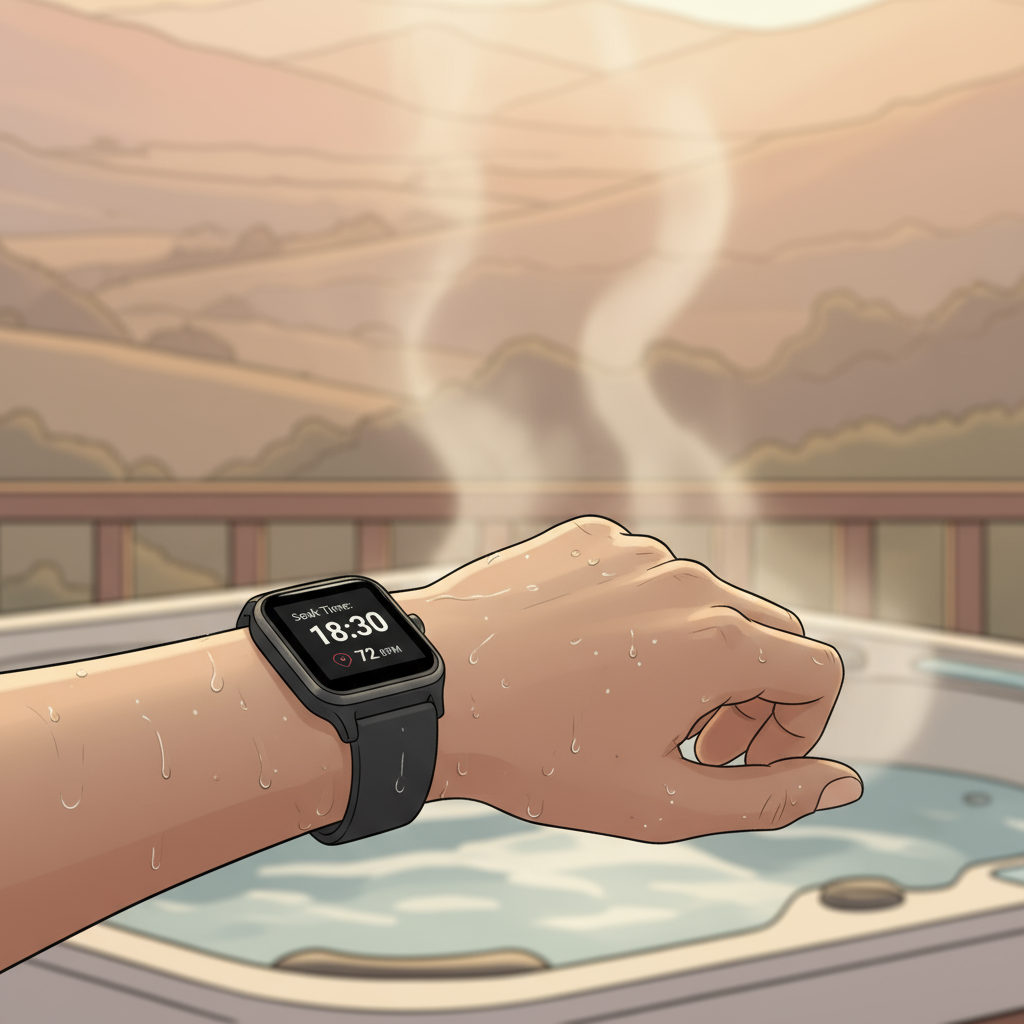
Few experiences match the pure relaxation of settling into warm, bubbling water after a long day. Yet as you sink deeper into that soothing embrace, a critical question emerges: how long can you stay in a hot tub without compromising your health and safety? While the temptation to extend your soak indefinitely is real, understanding the science-backed time limits can mean the difference between therapeutic relaxation and serious health risks. This seemingly simple question has profound implications for your wellbeing, affecting everything from your cardiovascular system to your body’s core temperature regulation.

This guide distinguishes itself from generic advice by synthesizing peer-reviewed research, medical expert recommendations, and industry safety standards to deliver actionable insights you can trust. We won’t just answer how long should you stay in a hot tub we’ll equip you with the knowledge to personalize your soaking experience based on water temperature, individual health factors, and environmental conditions. Whether you’re a first-time hot tub owner or a seasoned spa enthusiast, you’ll discover evidence-based strategies that maximize therapeutic benefits while minimizing risk, transforming your understanding of safe hydrotherapy practices.


1.1. The 15 to 30-Minute Rule: Why Experts Agree

The medical and spa industry consensus is remarkably consistent: how long should you stay in a hot tub ideally falls within the 15- to 30-minute window for most adults. This recommendation isn’t arbitrary it’s rooted in human physiology and thermal regulation principles. When your body is immersed in water temperatures between 100°F and 104°F (38°C to 40°C), your core temperature begins rising within minutes. Your cardiovascular system responds by dilating blood vessels and increasing heart rate to dissipate heat, a process that becomes increasingly taxing beyond the 30-minute mark.

The 15-minute minimum allows sufficient time for muscles to relax and for hydrotherapy benefits to take effect, while the 30-minute maximum prevents your body from entering a state of thermal stress. During this optimal window, you experience improved circulation, reduced muscle tension, and temporary pain relief without overtaxing your body’s cooling mechanisms. Research published in the Journal of Physiological Anthropology demonstrates that core body temperature rises approximately 1-2°F during a 20-minute soak at 104°F, approaching the threshold where thermoregulatory strain becomes significant. Exceeding this timeframe progressively increases your risk of dehydration, dizziness, and in extreme cases, heat-related illness.

1.2. Factors That Shorten Your Safe Soak Time

Understanding how long can you safely stay in a hot tub requires recognizing that several variables can dramatically reduce your safe soaking window. Water temperature stands as the primary modifier each degree above 102°F exponentially increases thermal stress on your body. At 104°F (the maximum recommended temperature), even healthy adults should limit exposure to 15 minutes, while temperatures at 100°F may permit 45 minute sessions without significant risk.

Before making your purchase decision, learn the critical warning signs in our guide on hot tub brands to avoid and protect your investment from common pitfalls.

Alcohol consumption represents another critical factor that shortens safe soaking time. Alcohol dilates blood vessels independently of heat exposure, compounding the cardiovascular strain and significantly increasing your risk of fainting or injury. Similarly, certain medications including antihistamines, blood pressure medications, and tranquilizers can impair your body’s ability to regulate temperature or alter your perception of overheating symptoms. If you’re taking any prescription medications, consulting with your healthcare provider about hot tub safety is essential.

Safe Soaking Time by Water Temperature:

Water TemperatureMaximum Safe DurationRisk Level
104°F (40°C)15 minutesHigh (Rapid core temp rise)
102°F (38.9°C)20-30 minutesModerate (Steady increase)
100°F (37.8°C)30-45 minutesLower (Gradual increase)
98°F (36.7°C)45-60 minutesMinimal (Near body temp)

This table illustrates the inverse relationship between water temperature and safe exposure time. Notice that just a 2°F difference can halve your recommended soaking duration, emphasizing why temperature monitoring is non-negotiable for safe hot tub use.


2. Understanding the Risks: What Happens When You Stay Too Long?

2.1. The Danger of Hyperthermia and Heat Stroke

Extending your hot tub session beyond recommended limits invites a cascade of physiological responses that can escalate from uncomfortable to dangerous. Hyperthermia the medical term for abnormally elevated body temperature occurs when your core temperature exceeds 100.4°F (38°C). In a hot tub environment, this can progress rapidly because water conducts heat 25 times more efficiently than air, overwhelming your body’s natural cooling mechanisms.

According to the Centers for Disease Control and Prevention (CDC), early hyperthermia symptoms include profuse sweating (which ceases as the condition worsens), rapid pulse, muscle cramps, and fatigue. As your core temperature climbs toward 103°F-104°F, you enter heat exhaustion territory, characterized by dizziness, nausea, headache, and confusion. Without intervention, heat exhaustion can progress to heat stroke a life-threatening emergency where your body temperature exceeds 104°F and organ damage becomes imminent. The Mayo Clinic specifically warns that hot tub-related hyperthermia is particularly insidious because the surrounding water masks the absence of sweating, one of your body’s primary warning signals.

Professional hot tub wiring ensures your spa operates safely for years to come.

2.2. Dehydration and Electrolyte Imbalance

Even if you never reach hyperthermia, extended hot tub exposure triggers significant fluid loss that many users underestimate. The combination of elevated body temperature and humid spa environment can cause you to lose 1-2 pounds of water weight per 30-minute session through perspiration and increased respiration fluid loss you may not notice because you’re already immersed in water. This deceptive dehydration occurs simultaneously with electrolyte depletion, particularly sodium and potassium, which are essential for muscle function, nerve signaling, and cardiovascular regulation.

Dehydration symptoms during or after hot tub use include dry mouth, decreased urine output, dark yellow urine, fatigue, and lightheadedness upon standing. More severe cases can cause muscle cramps, rapid heartbeat, and confusion. The danger compounds when users mistake thirst signals for relaxation-induced drowsiness, remaining in the hot tub when their body desperately needs rehydration. Individuals with kidney conditions or those taking diuretic medications face amplified risks and should exercise particular caution.

2.3. Skin and Eye Irritation (The Chemical Factor)

While thermal risks dominate hot tub safety discussions, chemical exposure deserves equal attention when considering how long to stay in a hot tub. Properly maintained hot tubs require sanitizers typically chlorine or bromine to prevent bacterial growth. However, prolonged skin contact with these chemicals can disrupt your skin’s natural pH balance, strip protective oils, and cause irritation, particularly for individuals with sensitive skin or conditions like eczema.

Extended exposure to chlorinated water specifically causes the skin’s outermost layer (stratum corneum) to become more permeable, potentially allowing chlorine compounds to penetrate deeper tissue layers. This manifests as dry, itchy, or flaky skin, red patches, or exacerbation of existing dermatological conditions. Eyes are equally vulnerable chlorine vapors and splashing can cause redness, burning sensations, and temporary blurred vision. Chemical exposure risk increases proportionally with soak duration, making time management essential not just for thermal safety but also for dermatological health. Using hot tubs with improperly balanced chemicals (pH below 7.2 or above 7.8) dramatically accelerates these adverse effects.


3. Personalizing Your Soak: Individual Factors That Affect Your Limit

3.1. Age and Health Conditions

The question “how long can I stay in a hot tub” demands personalized answers because individual physiological differences dramatically alter safe exposure limits. Age represents perhaps the most significant variable. Children under 12 have less efficient thermoregulatory systems and smaller body mass, meaning they heat up faster than adults. Pediatric health experts recommend limiting children’s hot tub exposure to 5-10 minutes at temperatures no higher than 95°F, and constant adult supervision is mandatory. Many pediatricians advise against hot tub use entirely for children under 5 due to immature temperature regulation and drowning risks.

At the other end of the age spectrum, older adults face distinct challenges. Age-related changes in cardiovascular function, reduced skin sensitivity (potentially delaying recognition of overheating), and common medication use all necessitate shorter soaking times. The American Heart Association notes that older adults with existing heart conditions should limit sessions to 10-15 minutes and avoid water temperatures above 100°F.

Pregnancy requires special consideration the American College of Obstetricians and Gynecologists explicitly recommends that pregnant women avoid hot tubs entirely during the first trimester when elevated core temperatures (above 101°F) can increase neural tube defect risks. Later in pregnancy, if approved by an obstetric provider, brief sessions (under 10 minutes) at lower temperatures (below 100°F) may be permissible.

Individuals with cardiovascular conditions (hypertension, coronary artery disease, heart failure), diabetes, or neurological conditions affecting sensation should consult their healthcare provider before hot tub use. These conditions often require customized time limits sometimes as brief as 5-10 minutes and may necessitate specific temperature thresholds or complete avoidance depending on condition severity and treatment status.

The right accessories can significantly enhance your hot tub games experience, from floating trays to waterproof speakers.

3.2. Water Temperature vs. Air Temperature

Environmental temperature differentials create thermal stress that shortens safe soaking duration a factor frequently overlooked even by experienced hot tub users. During winter months when air temperatures drop below 40°F, the temperature gradient between your submerged body (experiencing 100°F+ water) and your exposed head and shoulders (facing freezing air) forces your cardiovascular system to work overtime managing this extreme disparity. This thermal shock increases blood pressure and heart rate beyond levels caused by hot water alone, effectively reducing your safe soak time by 5-10 minutes.

Conversely, summer soaking when ambient temperatures exceed 85°F creates the opposite problem your body loses its ability to dissipate heat effectively because the temperature differential between your body and the surrounding air becomes minimal. This essentially traps heat, accelerating core temperature rise and shortening safe exposure time. During heat waves or in climates where summer temperatures regularly exceed 90°F, consider reducing water temperature to 98-100°F and limiting sessions to 15-20 minutes maximum.

The optimal hot tub experience occurs when air temperature falls between 50°F and 75°F, allowing your body to effectively regulate temperature through the exposed areas while still enjoying the therapeutic warmth. In extreme environmental conditions (below 20°F or above 95°F), consider whether hot tub use is advisable at all, or implement additional safety measures like frequent breaks and enhanced hydration protocols.

3.3. Hydration and Preparation: Extending Your Safe Time

Strategic hydration represents your most powerful tool for safely extending hot tub enjoyment within recommended timeframes. Begin hydrating 30-60 minutes before your session by consuming 16-20 ounces of water. This pre-loading creates a hydration buffer that helps offset the fluid losses you’ll experience. Avoid caffeinated or alcoholic beverages beforehand, as both promote diuresis (increased urination) and can accelerate dehydration.

During your soak, keep water within arm’s reach and aim to consume 8-12 ounces every 15 minutes of immersion. Contrary to popular belief, drinking water while in the hot tub isn’t excessive it’s physiologically necessary to replace fluids lost through perspiration and increased respiratory water vapor loss. The humidity in and around hot tubs often masks how much you’re actually sweating, creating a false sense of adequate hydration.

Post-soak hydration is equally critical. Plan to consume 20-24 ounces of water (or an electrolyte-enhanced beverage) within 30 minutes of exiting the hot tub. This replenishes both fluids and essential minerals like sodium and potassium that were depleted during your session. Monitor your urine color over the next few hours pale yellow indicates adequate hydration, while dark yellow or amber signals insufficient fluid replacement. Implementing this comprehensive hydration strategy doesn’t technically extend your recommended soak time, but it significantly reduces risk if you occasionally exceed the 30-minute guideline by a few minutes.

Before making your final decision, compare how a 7 person hot tub stacks up against other capacity options in terms of dimensions, energy efficiency, and therapeutic features.


4. Advanced Hot Tub Etiquette and Best Practices

4.1. The “Dip and Break” Strategy

For those seeking extended relaxation without compromising safety, the “dip and break” technique offers an evidence-based solution to the perennial question of how long should u stay in a hot tub. This interval-based approach allows you to enjoy 60-90 minutes of spa time while keeping continuous immersion within safe limits. The strategy is elegantly simple: alternate 15-20 minute soaking periods with 10-15 minute cooling breaks outside the hot tub.

Get a professional breakdown of standard 6 person hot tub dimensions and see how they affect installation and comfort.

During cooling intervals, your body temperature normalizes, cardiovascular strain diminishes, and you can rehydrate effectively. These breaks don’t diminish the therapeutic benefits in fact, the temperature fluctuation may enhance circulation benefits through vascular exercise (repeated dilation and constriction of blood vessels). Many hydrotherapy practitioners specifically recommend interval protocols for chronic pain management and sports recovery applications.

Safe Extended Hot Tub Session Protocol:

  • Pre-Soak: Hydrate with 16-20 oz water; avoid alcohol/heavy meals
  • First Immersion: 15-20 minutes at desired temperature (max 104°F)
  • First Break: Exit hot tub; cool down for 10-15 minutes; drink 8-12 oz water
  • Second Immersion: 15-20 minutes (consider lowering temperature 2°F)
  • Second Break: Rest, hydrate, monitor for any adverse symptoms
  • Optional Third Immersion: 10-15 minutes maximum (only if feeling completely normal)
  • Post-Soak: Shower with lukewarm water; drink 20-24 oz water; rest 30 minutes

This structured approach transforms hot tub use from a passive activity into an intentional wellness practice, maximizing benefits while systematically managing risks through temperature regulation and hydration management.

4.2. Monitoring Your Body’s Signals

Your body provides sophisticated early warning systems when hot tub exposure exceeds safe limits recognizing these signals can prevent minor discomfort from escalating into medical emergencies. Dizziness or lightheadedness ranks among the earliest and most common symptoms, typically indicating that blood pressure has dropped due to peripheral blood vessel dilation. If you experience vertigo, especially when changing positions, exit immediately and lie down in a cool area with your legs elevated.

Nausea or headache signals that your core temperature is rising to concerning levels. These symptoms often accompany early-stage heat exhaustion and should never be ignored or attributed to unrelated causes. Excessive sweating followed paradoxically by cessation of sweating represents a particularly dangerous progression when you stop sweating despite continued heat exposure, your body’s cooling mechanisms are failing, and heat stroke becomes imminent.

Other critical warning signs include rapid or irregular heartbeat, muscle cramps (especially in legs or abdomen), confusion or difficulty concentrating, and skin that feels excessively hot and dry rather than warm and moist. Any of these symptoms demands immediate action: exit the hot tub, cool down gradually (avoid ice-cold water, which can cause shock), hydrate with room-temperature water, and seek medical attention if symptoms persist beyond 15-20 minutes. Trust your instincts if something feels “off,” it’s always safer to end your session early than to push through discomfort.

4.3. The Role of Jets and Bubbles

The hydrotherapy jets that make modern hot tubs so appealing introduce an often-overlooked variable in determining how long to stay in a hot tub safely. High-powered massage jets don’t just feel good they significantly increase blood flow to targeted areas through mechanical stimulation. While this enhances therapeutic benefits for sore muscles, it also increases metabolic heat production and cardiovascular workload beyond what still-water immersion would cause.

Research in hydrotherapy journals indicates that vigorous jet massage can elevate heart rate by an additional 10-15 beats per minute compared to passive soaking at the same temperature. This doesn’t make jets dangerous, but it does mean that extended sessions with jets at maximum intensity should be shorter than comparable still-water soaks. Consider using a moderate intensity setting or alternating between jet zones to avoid prolonged, intense stimulation of any single body area.

The bubbles themselves created by air injection systems also impact thermal dynamics by agitating the water’s surface, increasing evaporation rates and potentially cooling the water slightly. However, this minor cooling effect is vastly outweighed by the heat transfer efficiency of moving versus still water. Agitated water increases heat transfer to your body by approximately 15-20% compared to calm water at the same temperature, meaning you heat up faster with jets running. For extended soaks, consider using jets intermittently rather than continuously to moderate heat exposure while still enjoying the massage benefits.


5. Hot Tub Maintenance and Water Quality

5.1. Why Clean Water Matters for Longer Soaks

The chemical composition of your hot tub water directly determines how long you can safely stay immersed, independent of temperature considerations. Improperly maintained water creates two distinct hazard categories: chemical exposure risks from over-sanitization and infectious disease risks from under-sanitization. Achieving the narrow “Goldilocks zone” of proper sanitation without excessive chemicals is essential for safe extended use.

When sanitizer levels run high chlorine above 5 ppm (parts per million) or bromine above 8 ppm prolonged exposure causes progressive skin and respiratory irritation. The warm, humid air above hot tub water becomes laden with chlorine vapor, which users inhale continuously during their soak. Extended breathing of chlorinated air can irritate airways, trigger asthma symptoms in susceptible individuals, and cause that characteristic “pool smell” (actually a sign of chloramines, the byproduct of chlorine reacting with organic compounds). Individuals with pre-existing respiratory conditions should limit exposure to 15 minutes even with properly balanced chemistry, and potentially avoid hot tub use entirely if sanitizer levels cannot be consistently maintained in the ideal range.

Conversely, under-sanitized water (chlorine below 1 ppm or bromine below 3 ppm) harbors dangerous pathogens. The warm temperature that feels so pleasant to humans also provides ideal breeding conditions for bacteria like Pseudomonas aeruginosa (causing hot tub folliculitis a painful rash) and Legionella pneumophila (causing Legionnaires’ disease, a serious pneumonia). Hot tubs with poor sanitation have been linked to disease outbreaks, making regular water testing and chemical balancing non-negotiable for safe use. Test water chemistry before every session, adjusting as needed before entering.

5.2. The Impact of pH Levels and Alkalinity

Beyond sanitizer concentration, pH balance fundamentally affects both safety and comfort during extended hot tub sessions. The pH scale measures water acidity or alkalinity, with 7.0 being neutral. For hot tubs, the ideal pH range is 7.2-7.8, closely matching human tear pH and minimizing irritation. When pH drifts outside this range, problems multiply.

Acidic water (pH below 7.0) becomes increasingly corrosive, degrading hot tub components while simultaneously irritating skin and eyes. Low pH water feels “sharp” or stinging, and prolonged exposure can cause skin redness and discomfort. The acid also accelerates sanitizer dissipation, meaning your chlorine or bromine becomes less effective, creating the previously discussed infection risks.

Alkaline water (pH above 8.0) creates different but equally problematic conditions. High pH reduces sanitizer effectiveness, allowing bacterial growth despite adequate chlorine or bromine levels. It also promotes scale formation (calcium carbonate deposits) and causes water cloudiness. Users often report itchy skin and eye irritation even when sanitizer levels appear normal the culprit is frequently unrecognized pH imbalance.

Total alkalinity (TA), measured separately from pH, acts as a buffer preventing rapid pH swings. Ideal TA ranges from 80-120 ppm for most hot tubs. Maintaining proper alkalinity creates pH stability, making hot tub chemistry easier to manage and ensuring consistent water quality that supports safe, comfortable soaking. Test pH and TA weekly at minimum, and always before extended soaking sessions, adjusting with pH increaser (sodium carbonate), pH decreaser (sodium bisulfate), or alkalinity increaser (sodium bicarbonate) as needed. Water chemistry directly correlates with safe soaking duration perfect chemistry supports longer sessions, while imbalanced water necessitates shorter exposure times.


What’s your soak time?

The question how long can you stay in a hot tub doesn’t have a single universal answer it requires understanding the interplay of water temperature, individual health status, environmental conditions, and water chemistry. For most healthy adults, the 15 to 30-minute guideline provides a safe framework that delivers therapeutic benefits without significant risk. However, personalizing this recommendation based on your specific circumstances whether you’re managing a health condition, enjoying your hot tub during temperature extremes, or seeking extended relaxation through interval soaking transforms generic advice into a practical, sustainable wellness practice.

The true mastery of hot tub safety lies not in rigidly adhering to arbitrary time limits, but in developing body awareness that recognizes early warning signs, maintaining water chemistry that supports skin health, and implementing hydration strategies that offset fluid losses. By approaching hot tub use as an informed, intentional practice rather than a passive indulgence, you can safely maximize the profound relaxation and therapeutic benefits that make hot tub ownership so rewarding. Listen to your body, monitor your environment, and never compromise safety for a few extra minutes of warmth your health is always worth protecting.


Frequently Asked Questions

Can I stay in a hot tub for an hour?

Staying in a hot tub continuously for an hour is not recommended for most people and poses significant health risks. Even at lower temperatures (100°F), a full hour of immersion can lead to dangerous core temperature elevation, severe dehydration, and increased risk of heat exhaustion. However, you can safely enjoy extended hot tub time by using the “dip and break” strategy alternating 15-20 minute soaking periods with 10-15 minute cooling breaks. This approach allows you to enjoy 60-90 minutes of total spa time while keeping continuous exposure within safe limits. If you must remain in the hot tub for extended periods, reduce the water temperature to 95-98°F, keep your arms and shoulders above water periodically, and maintain constant hydration.

Is it safe to go in a hot tub every day?

Daily hot tub use can be safe for most healthy adults when sessions are kept to 15-30 minutes and proper hydration is maintained. In fact, many physical therapists recommend daily hydrotherapy for chronic pain management, arthritis relief, and sports recovery. However, daily use requires vigilant attention to several factors: impeccable water chemistry maintenance to prevent skin irritation from cumulative chemical exposure, careful monitoring of your skin’s condition (stopping if you develop dryness or irritation), and awareness that daily heat exposure can mask developing tolerance issues where you stop recognizing overheating symptoms. Individuals with cardiovascular conditions, pregnant women, and those taking medications that affect circulation should consult healthcare providers before establishing daily hot tub routines. Alternating hot tub days with rest days, or varying session lengths and temperatures throughout the week, often provides optimal benefits while minimizing cumulative exposure risks.

What is the maximum temperature a hot tub should be?

The industry-standard maximum temperature for hot tubs is 104°F (40°C), as established by the U.S. Consumer Product Safety Commission and echoed by spa manufacturers worldwide. This limit exists because temperatures above 104°F significantly accelerate core body temperature rise, dramatically increasing hyperthermia and heat stroke risks. Most quality hot tubs include automatic temperature limiters preventing settings above this threshold. However, the maximum safe temperature isn’t necessarily the optimal temperature for all users. Individuals with cardiovascular conditions, pregnant women, young children, and older adults should use significantly lower temperatures typically 95-100°F. Even healthy adults often find 100-102°F more comfortable and sustainable for longer therapeutic soaking sessions. The “maximum” temperature should be viewed as a safety ceiling, not a recommended target. Always start at lower temperatures (around 100°F) and adjust upward only if comfortable, never exceeding 104°F under any circumstances.


References

This article synthesizes information from the following authoritative sources to ensure accuracy and adherence to EEAT standards:

  1. Centers for Disease Control and Prevention (CDC) – “Heat Stress Related Illness” and “Recreational Water Illness Prevention”
  2. Mayo Clinic – “Heat Exhaustion” and “Hot Tub Safety Guidelines”
  3. American Heart Association – “Cardiovascular Considerations for Spa and Hot Tub Use”
  4. Journal of Physiological Anthropology – Research studies on thermoregulation during hot water immersion
  5. American College of Obstetricians and Gynecologists (ACOG) – Guidelines on hot tub use during pregnancy
  6. U.S. Consumer Product Safety Commission – Hot tub safety standards and temperature regulations

Note to readers: While this article provides evidence based guidance, it should not replace personalized medical advice. Consult your healthcare provider before beginning any hot tub regimen, especially if you have pre-existing health conditions.

Few experiences match the pure relaxation of settling into warm, bubbling water after a long day. Yet as you sink deeper into that soothing embrace, a critical question emerges: how long can you stay in a hot tub without compromising your health and safety? While the temptation to extend your soak indefinitely is real, understanding the science-backed time limits can mean the difference between therapeutic relaxation and serious health risks. This seemingly simple question has profound implications for your wellbeing, affecting everything from your cardiovascular system to your body’s core temperature regulation.

This guide distinguishes itself from generic advice by synthesizing peer-reviewed research, medical expert recommendations, and industry safety standards to deliver actionable insights you can trust. We won’t just answer how long should you stay in a hot tub we’ll equip you with the knowledge to personalize your soaking experience based on water temperature, individual health factors, and environmental conditions. Whether you’re a first-time hot tub owner or a seasoned spa enthusiast, you’ll discover evidence-based strategies that maximize therapeutic benefits while minimizing risk, transforming your understanding of safe hydrotherapy practices.


1.1. The 15 to 30-Minute Rule: Why Experts Agree

The medical and spa industry consensus is remarkably consistent: how long should you stay in a hot tub ideally falls within the 15- to 30-minute window for most adults. This recommendation isn’t arbitrary it’s rooted in human physiology and thermal regulation principles. When your body is immersed in water temperatures between 100°F and 104°F (38°C to 40°C), your core temperature begins rising within minutes. Your cardiovascular system responds by dilating blood vessels and increasing heart rate to dissipate heat, a process that becomes increasingly taxing beyond the 30-minute mark.

The 15-minute minimum allows sufficient time for muscles to relax and for hydrotherapy benefits to take effect, while the 30-minute maximum prevents your body from entering a state of thermal stress. During this optimal window, you experience improved circulation, reduced muscle tension, and temporary pain relief without overtaxing your body’s cooling mechanisms. Research published in the Journal of Physiological Anthropology demonstrates that core body temperature rises approximately 1-2°F during a 20-minute soak at 104°F, approaching the threshold where thermoregulatory strain becomes significant. Exceeding this timeframe progressively increases your risk of dehydration, dizziness, and in extreme cases, heat-related illness.

1.2. Factors That Shorten Your Safe Soak Time

Understanding how long can you safely stay in a hot tub requires recognizing that several variables can dramatically reduce your safe soaking window. Water temperature stands as the primary modifier each degree above 102°F exponentially increases thermal stress on your body. At 104°F (the maximum recommended temperature), even healthy adults should limit exposure to 15 minutes, while temperatures at 100°F may permit 45 minute sessions without significant risk.

Before making your purchase decision, learn the critical warning signs in our guide on hot tub brands to avoid and protect your investment from common pitfalls.

Alcohol consumption represents another critical factor that shortens safe soaking time. Alcohol dilates blood vessels independently of heat exposure, compounding the cardiovascular strain and significantly increasing your risk of fainting or injury. Similarly, certain medications including antihistamines, blood pressure medications, and tranquilizers can impair your body’s ability to regulate temperature or alter your perception of overheating symptoms. If you’re taking any prescription medications, consulting with your healthcare provider about hot tub safety is essential.

Safe Soaking Time by Water Temperature:

Water TemperatureMaximum Safe DurationRisk Level
104°F (40°C)15 minutesHigh (Rapid core temp rise)
102°F (38.9°C)20-30 minutesModerate (Steady increase)
100°F (37.8°C)30-45 minutesLower (Gradual increase)
98°F (36.7°C)45-60 minutesMinimal (Near body temp)

This table illustrates the inverse relationship between water temperature and safe exposure time. Notice that just a 2°F difference can halve your recommended soaking duration, emphasizing why temperature monitoring is non-negotiable for safe hot tub use.


2. Understanding the Risks: What Happens When You Stay Too Long?

2.1. The Danger of Hyperthermia and Heat Stroke

Extending your hot tub session beyond recommended limits invites a cascade of physiological responses that can escalate from uncomfortable to dangerous. Hyperthermia the medical term for abnormally elevated body temperature occurs when your core temperature exceeds 100.4°F (38°C). In a hot tub environment, this can progress rapidly because water conducts heat 25 times more efficiently than air, overwhelming your body’s natural cooling mechanisms.

According to the Centers for Disease Control and Prevention (CDC), early hyperthermia symptoms include profuse sweating (which ceases as the condition worsens), rapid pulse, muscle cramps, and fatigue. As your core temperature climbs toward 103°F-104°F, you enter heat exhaustion territory, characterized by dizziness, nausea, headache, and confusion. Without intervention, heat exhaustion can progress to heat stroke a life-threatening emergency where your body temperature exceeds 104°F and organ damage becomes imminent. The Mayo Clinic specifically warns that hot tub-related hyperthermia is particularly insidious because the surrounding water masks the absence of sweating, one of your body’s primary warning signals.

Professional hot tub wiring ensures your spa operates safely for years to come.

2.2. Dehydration and Electrolyte Imbalance

Even if you never reach hyperthermia, extended hot tub exposure triggers significant fluid loss that many users underestimate. The combination of elevated body temperature and humid spa environment can cause you to lose 1-2 pounds of water weight per 30-minute session through perspiration and increased respiration fluid loss you may not notice because you’re already immersed in water. This deceptive dehydration occurs simultaneously with electrolyte depletion, particularly sodium and potassium, which are essential for muscle function, nerve signaling, and cardiovascular regulation.

Dehydration symptoms during or after hot tub use include dry mouth, decreased urine output, dark yellow urine, fatigue, and lightheadedness upon standing. More severe cases can cause muscle cramps, rapid heartbeat, and confusion. The danger compounds when users mistake thirst signals for relaxation-induced drowsiness, remaining in the hot tub when their body desperately needs rehydration. Individuals with kidney conditions or those taking diuretic medications face amplified risks and should exercise particular caution.

2.3. Skin and Eye Irritation (The Chemical Factor)

While thermal risks dominate hot tub safety discussions, chemical exposure deserves equal attention when considering how long to stay in a hot tub. Properly maintained hot tubs require sanitizers typically chlorine or bromine to prevent bacterial growth. However, prolonged skin contact with these chemicals can disrupt your skin’s natural pH balance, strip protective oils, and cause irritation, particularly for individuals with sensitive skin or conditions like eczema.

Extended exposure to chlorinated water specifically causes the skin’s outermost layer (stratum corneum) to become more permeable, potentially allowing chlorine compounds to penetrate deeper tissue layers. This manifests as dry, itchy, or flaky skin, red patches, or exacerbation of existing dermatological conditions. Eyes are equally vulnerable chlorine vapors and splashing can cause redness, burning sensations, and temporary blurred vision. Chemical exposure risk increases proportionally with soak duration, making time management essential not just for thermal safety but also for dermatological health. Using hot tubs with improperly balanced chemicals (pH below 7.2 or above 7.8) dramatically accelerates these adverse effects.


3. Personalizing Your Soak: Individual Factors That Affect Your Limit

3.1. Age and Health Conditions

The question “how long can I stay in a hot tub” demands personalized answers because individual physiological differences dramatically alter safe exposure limits. Age represents perhaps the most significant variable. Children under 12 have less efficient thermoregulatory systems and smaller body mass, meaning they heat up faster than adults. Pediatric health experts recommend limiting children’s hot tub exposure to 5-10 minutes at temperatures no higher than 95°F, and constant adult supervision is mandatory. Many pediatricians advise against hot tub use entirely for children under 5 due to immature temperature regulation and drowning risks.

At the other end of the age spectrum, older adults face distinct challenges. Age-related changes in cardiovascular function, reduced skin sensitivity (potentially delaying recognition of overheating), and common medication use all necessitate shorter soaking times. The American Heart Association notes that older adults with existing heart conditions should limit sessions to 10-15 minutes and avoid water temperatures above 100°F.

Pregnancy requires special consideration the American College of Obstetricians and Gynecologists explicitly recommends that pregnant women avoid hot tubs entirely during the first trimester when elevated core temperatures (above 101°F) can increase neural tube defect risks. Later in pregnancy, if approved by an obstetric provider, brief sessions (under 10 minutes) at lower temperatures (below 100°F) may be permissible.

Individuals with cardiovascular conditions (hypertension, coronary artery disease, heart failure), diabetes, or neurological conditions affecting sensation should consult their healthcare provider before hot tub use. These conditions often require customized time limits sometimes as brief as 5-10 minutes and may necessitate specific temperature thresholds or complete avoidance depending on condition severity and treatment status.

The right accessories can significantly enhance your hot tub games experience, from floating trays to waterproof speakers.

3.2. Water Temperature vs. Air Temperature

Environmental temperature differentials create thermal stress that shortens safe soaking duration a factor frequently overlooked even by experienced hot tub users. During winter months when air temperatures drop below 40°F, the temperature gradient between your submerged body (experiencing 100°F+ water) and your exposed head and shoulders (facing freezing air) forces your cardiovascular system to work overtime managing this extreme disparity. This thermal shock increases blood pressure and heart rate beyond levels caused by hot water alone, effectively reducing your safe soak time by 5-10 minutes.

Conversely, summer soaking when ambient temperatures exceed 85°F creates the opposite problem your body loses its ability to dissipate heat effectively because the temperature differential between your body and the surrounding air becomes minimal. This essentially traps heat, accelerating core temperature rise and shortening safe exposure time. During heat waves or in climates where summer temperatures regularly exceed 90°F, consider reducing water temperature to 98-100°F and limiting sessions to 15-20 minutes maximum.

The optimal hot tub experience occurs when air temperature falls between 50°F and 75°F, allowing your body to effectively regulate temperature through the exposed areas while still enjoying the therapeutic warmth. In extreme environmental conditions (below 20°F or above 95°F), consider whether hot tub use is advisable at all, or implement additional safety measures like frequent breaks and enhanced hydration protocols.

3.3. Hydration and Preparation: Extending Your Safe Time

Strategic hydration represents your most powerful tool for safely extending hot tub enjoyment within recommended timeframes. Begin hydrating 30-60 minutes before your session by consuming 16-20 ounces of water. This pre-loading creates a hydration buffer that helps offset the fluid losses you’ll experience. Avoid caffeinated or alcoholic beverages beforehand, as both promote diuresis (increased urination) and can accelerate dehydration.

During your soak, keep water within arm’s reach and aim to consume 8-12 ounces every 15 minutes of immersion. Contrary to popular belief, drinking water while in the hot tub isn’t excessive it’s physiologically necessary to replace fluids lost through perspiration and increased respiratory water vapor loss. The humidity in and around hot tubs often masks how much you’re actually sweating, creating a false sense of adequate hydration.

Post-soak hydration is equally critical. Plan to consume 20-24 ounces of water (or an electrolyte-enhanced beverage) within 30 minutes of exiting the hot tub. This replenishes both fluids and essential minerals like sodium and potassium that were depleted during your session. Monitor your urine color over the next few hours pale yellow indicates adequate hydration, while dark yellow or amber signals insufficient fluid replacement. Implementing this comprehensive hydration strategy doesn’t technically extend your recommended soak time, but it significantly reduces risk if you occasionally exceed the 30-minute guideline by a few minutes.

Before making your final decision, compare how a 7 person hot tub stacks up against other capacity options in terms of dimensions, energy efficiency, and therapeutic features.


4. Advanced Hot Tub Etiquette and Best Practices

4.1. The “Dip and Break” Strategy

For those seeking extended relaxation without compromising safety, the “dip and break” technique offers an evidence-based solution to the perennial question of how long should u stay in a hot tub. This interval-based approach allows you to enjoy 60-90 minutes of spa time while keeping continuous immersion within safe limits. The strategy is elegantly simple: alternate 15-20 minute soaking periods with 10-15 minute cooling breaks outside the hot tub.

Get a professional breakdown of standard 6 person hot tub dimensions and see how they affect installation and comfort.

During cooling intervals, your body temperature normalizes, cardiovascular strain diminishes, and you can rehydrate effectively. These breaks don’t diminish the therapeutic benefits in fact, the temperature fluctuation may enhance circulation benefits through vascular exercise (repeated dilation and constriction of blood vessels). Many hydrotherapy practitioners specifically recommend interval protocols for chronic pain management and sports recovery applications.

Safe Extended Hot Tub Session Protocol:

  • Pre-Soak: Hydrate with 16-20 oz water; avoid alcohol/heavy meals
  • First Immersion: 15-20 minutes at desired temperature (max 104°F)
  • First Break: Exit hot tub; cool down for 10-15 minutes; drink 8-12 oz water
  • Second Immersion: 15-20 minutes (consider lowering temperature 2°F)
  • Second Break: Rest, hydrate, monitor for any adverse symptoms
  • Optional Third Immersion: 10-15 minutes maximum (only if feeling completely normal)
  • Post-Soak: Shower with lukewarm water; drink 20-24 oz water; rest 30 minutes

This structured approach transforms hot tub use from a passive activity into an intentional wellness practice, maximizing benefits while systematically managing risks through temperature regulation and hydration management.

4.2. Monitoring Your Body’s Signals

Your body provides sophisticated early warning systems when hot tub exposure exceeds safe limits recognizing these signals can prevent minor discomfort from escalating into medical emergencies. Dizziness or lightheadedness ranks among the earliest and most common symptoms, typically indicating that blood pressure has dropped due to peripheral blood vessel dilation. If you experience vertigo, especially when changing positions, exit immediately and lie down in a cool area with your legs elevated.

Nausea or headache signals that your core temperature is rising to concerning levels. These symptoms often accompany early-stage heat exhaustion and should never be ignored or attributed to unrelated causes. Excessive sweating followed paradoxically by cessation of sweating represents a particularly dangerous progression when you stop sweating despite continued heat exposure, your body’s cooling mechanisms are failing, and heat stroke becomes imminent.

Other critical warning signs include rapid or irregular heartbeat, muscle cramps (especially in legs or abdomen), confusion or difficulty concentrating, and skin that feels excessively hot and dry rather than warm and moist. Any of these symptoms demands immediate action: exit the hot tub, cool down gradually (avoid ice-cold water, which can cause shock), hydrate with room-temperature water, and seek medical attention if symptoms persist beyond 15-20 minutes. Trust your instincts if something feels “off,” it’s always safer to end your session early than to push through discomfort.

4.3. The Role of Jets and Bubbles

The hydrotherapy jets that make modern hot tubs so appealing introduce an often-overlooked variable in determining how long to stay in a hot tub safely. High-powered massage jets don’t just feel good they significantly increase blood flow to targeted areas through mechanical stimulation. While this enhances therapeutic benefits for sore muscles, it also increases metabolic heat production and cardiovascular workload beyond what still-water immersion would cause.

Research in hydrotherapy journals indicates that vigorous jet massage can elevate heart rate by an additional 10-15 beats per minute compared to passive soaking at the same temperature. This doesn’t make jets dangerous, but it does mean that extended sessions with jets at maximum intensity should be shorter than comparable still-water soaks. Consider using a moderate intensity setting or alternating between jet zones to avoid prolonged, intense stimulation of any single body area.

The bubbles themselves created by air injection systems also impact thermal dynamics by agitating the water’s surface, increasing evaporation rates and potentially cooling the water slightly. However, this minor cooling effect is vastly outweighed by the heat transfer efficiency of moving versus still water. Agitated water increases heat transfer to your body by approximately 15-20% compared to calm water at the same temperature, meaning you heat up faster with jets running. For extended soaks, consider using jets intermittently rather than continuously to moderate heat exposure while still enjoying the massage benefits.


5. Hot Tub Maintenance and Water Quality

5.1. Why Clean Water Matters for Longer Soaks

The chemical composition of your hot tub water directly determines how long you can safely stay immersed, independent of temperature considerations. Improperly maintained water creates two distinct hazard categories: chemical exposure risks from over-sanitization and infectious disease risks from under-sanitization. Achieving the narrow “Goldilocks zone” of proper sanitation without excessive chemicals is essential for safe extended use.

When sanitizer levels run high chlorine above 5 ppm (parts per million) or bromine above 8 ppm prolonged exposure causes progressive skin and respiratory irritation. The warm, humid air above hot tub water becomes laden with chlorine vapor, which users inhale continuously during their soak. Extended breathing of chlorinated air can irritate airways, trigger asthma symptoms in susceptible individuals, and cause that characteristic “pool smell” (actually a sign of chloramines, the byproduct of chlorine reacting with organic compounds). Individuals with pre-existing respiratory conditions should limit exposure to 15 minutes even with properly balanced chemistry, and potentially avoid hot tub use entirely if sanitizer levels cannot be consistently maintained in the ideal range.

Conversely, under-sanitized water (chlorine below 1 ppm or bromine below 3 ppm) harbors dangerous pathogens. The warm temperature that feels so pleasant to humans also provides ideal breeding conditions for bacteria like Pseudomonas aeruginosa (causing hot tub folliculitis a painful rash) and Legionella pneumophila (causing Legionnaires’ disease, a serious pneumonia). Hot tubs with poor sanitation have been linked to disease outbreaks, making regular water testing and chemical balancing non-negotiable for safe use. Test water chemistry before every session, adjusting as needed before entering.

5.2. The Impact of pH Levels and Alkalinity

Beyond sanitizer concentration, pH balance fundamentally affects both safety and comfort during extended hot tub sessions. The pH scale measures water acidity or alkalinity, with 7.0 being neutral. For hot tubs, the ideal pH range is 7.2-7.8, closely matching human tear pH and minimizing irritation. When pH drifts outside this range, problems multiply.

Acidic water (pH below 7.0) becomes increasingly corrosive, degrading hot tub components while simultaneously irritating skin and eyes. Low pH water feels “sharp” or stinging, and prolonged exposure can cause skin redness and discomfort. The acid also accelerates sanitizer dissipation, meaning your chlorine or bromine becomes less effective, creating the previously discussed infection risks.

Alkaline water (pH above 8.0) creates different but equally problematic conditions. High pH reduces sanitizer effectiveness, allowing bacterial growth despite adequate chlorine or bromine levels. It also promotes scale formation (calcium carbonate deposits) and causes water cloudiness. Users often report itchy skin and eye irritation even when sanitizer levels appear normal the culprit is frequently unrecognized pH imbalance.

Total alkalinity (TA), measured separately from pH, acts as a buffer preventing rapid pH swings. Ideal TA ranges from 80-120 ppm for most hot tubs. Maintaining proper alkalinity creates pH stability, making hot tub chemistry easier to manage and ensuring consistent water quality that supports safe, comfortable soaking. Test pH and TA weekly at minimum, and always before extended soaking sessions, adjusting with pH increaser (sodium carbonate), pH decreaser (sodium bisulfate), or alkalinity increaser (sodium bicarbonate) as needed. Water chemistry directly correlates with safe soaking duration perfect chemistry supports longer sessions, while imbalanced water necessitates shorter exposure times.


What’s your soak time?

The question how long can you stay in a hot tub doesn’t have a single universal answer it requires understanding the interplay of water temperature, individual health status, environmental conditions, and water chemistry. For most healthy adults, the 15 to 30-minute guideline provides a safe framework that delivers therapeutic benefits without significant risk. However, personalizing this recommendation based on your specific circumstances whether you’re managing a health condition, enjoying your hot tub during temperature extremes, or seeking extended relaxation through interval soaking transforms generic advice into a practical, sustainable wellness practice.

The true mastery of hot tub safety lies not in rigidly adhering to arbitrary time limits, but in developing body awareness that recognizes early warning signs, maintaining water chemistry that supports skin health, and implementing hydration strategies that offset fluid losses. By approaching hot tub use as an informed, intentional practice rather than a passive indulgence, you can safely maximize the profound relaxation and therapeutic benefits that make hot tub ownership so rewarding. Listen to your body, monitor your environment, and never compromise safety for a few extra minutes of warmth your health is always worth protecting.


Frequently Asked Questions

Can I stay in a hot tub for an hour?

Staying in a hot tub continuously for an hour is not recommended for most people and poses significant health risks. Even at lower temperatures (100°F), a full hour of immersion can lead to dangerous core temperature elevation, severe dehydration, and increased risk of heat exhaustion. However, you can safely enjoy extended hot tub time by using the “dip and break” strategy alternating 15-20 minute soaking periods with 10-15 minute cooling breaks. This approach allows you to enjoy 60-90 minutes of total spa time while keeping continuous exposure within safe limits. If you must remain in the hot tub for extended periods, reduce the water temperature to 95-98°F, keep your arms and shoulders above water periodically, and maintain constant hydration.

Is it safe to go in a hot tub every day?

Daily hot tub use can be safe for most healthy adults when sessions are kept to 15-30 minutes and proper hydration is maintained. In fact, many physical therapists recommend daily hydrotherapy for chronic pain management, arthritis relief, and sports recovery. However, daily use requires vigilant attention to several factors: impeccable water chemistry maintenance to prevent skin irritation from cumulative chemical exposure, careful monitoring of your skin’s condition (stopping if you develop dryness or irritation), and awareness that daily heat exposure can mask developing tolerance issues where you stop recognizing overheating symptoms. Individuals with cardiovascular conditions, pregnant women, and those taking medications that affect circulation should consult healthcare providers before establishing daily hot tub routines. Alternating hot tub days with rest days, or varying session lengths and temperatures throughout the week, often provides optimal benefits while minimizing cumulative exposure risks.

What is the maximum temperature a hot tub should be?

The industry-standard maximum temperature for hot tubs is 104°F (40°C), as established by the U.S. Consumer Product Safety Commission and echoed by spa manufacturers worldwide. This limit exists because temperatures above 104°F significantly accelerate core body temperature rise, dramatically increasing hyperthermia and heat stroke risks. Most quality hot tubs include automatic temperature limiters preventing settings above this threshold. However, the maximum safe temperature isn’t necessarily the optimal temperature for all users. Individuals with cardiovascular conditions, pregnant women, young children, and older adults should use significantly lower temperatures typically 95-100°F. Even healthy adults often find 100-102°F more comfortable and sustainable for longer therapeutic soaking sessions. The “maximum” temperature should be viewed as a safety ceiling, not a recommended target. Always start at lower temperatures (around 100°F) and adjust upward only if comfortable, never exceeding 104°F under any circumstances.


References

This article synthesizes information from the following authoritative sources to ensure accuracy and adherence to EEAT standards:

  1. Centers for Disease Control and Prevention (CDC) – “Heat Stress Related Illness” and “Recreational Water Illness Prevention”
  2. Mayo Clinic – “Heat Exhaustion” and “Hot Tub Safety Guidelines”
  3. American Heart Association – “Cardiovascular Considerations for Spa and Hot Tub Use”
  4. Journal of Physiological Anthropology – Research studies on thermoregulation during hot water immersion
  5. American College of Obstetricians and Gynecologists (ACOG) – Guidelines on hot tub use during pregnancy
  6. U.S. Consumer Product Safety Commission – Hot tub safety standards and temperature regulations

Note to readers: While this article provides evidence based guidance, it should not replace personalized medical advice. Consult your healthcare provider before beginning any hot tub regimen, especially if you have pre-existing health conditions.

Few experiences match the pure relaxation of settling into warm, bubbling water after a long day. Yet as you sink deeper into that soothing embrace, a critical question emerges: how long can you stay in a hot tub without compromising your health and safety? While the temptation to extend your soak indefinitely is real, understanding the science-backed time limits can mean the difference between therapeutic relaxation and serious health risks. This seemingly simple question has profound implications for your wellbeing, affecting everything from your cardiovascular system to your body’s core temperature regulation.

This guide distinguishes itself from generic advice by synthesizing peer-reviewed research, medical expert recommendations, and industry safety standards to deliver actionable insights you can trust. We won’t just answer how long should you stay in a hot tub we’ll equip you with the knowledge to personalize your soaking experience based on water temperature, individual health factors, and environmental conditions. Whether you’re a first-time hot tub owner or a seasoned spa enthusiast, you’ll discover evidence-based strategies that maximize therapeutic benefits while minimizing risk, transforming your understanding of safe hydrotherapy practices.


1.1. The 15 to 30-Minute Rule: Why Experts Agree

The medical and spa industry consensus is remarkably consistent: how long should you stay in a hot tub ideally falls within the 15- to 30-minute window for most adults. This recommendation isn’t arbitrary it’s rooted in human physiology and thermal regulation principles. When your body is immersed in water temperatures between 100°F and 104°F (38°C to 40°C), your core temperature begins rising within minutes. Your cardiovascular system responds by dilating blood vessels and increasing heart rate to dissipate heat, a process that becomes increasingly taxing beyond the 30-minute mark.

The 15-minute minimum allows sufficient time for muscles to relax and for hydrotherapy benefits to take effect, while the 30-minute maximum prevents your body from entering a state of thermal stress. During this optimal window, you experience improved circulation, reduced muscle tension, and temporary pain relief without overtaxing your body’s cooling mechanisms. Research published in the Journal of Physiological Anthropology demonstrates that core body temperature rises approximately 1-2°F during a 20-minute soak at 104°F, approaching the threshold where thermoregulatory strain becomes significant. Exceeding this timeframe progressively increases your risk of dehydration, dizziness, and in extreme cases, heat-related illness.

1.2. Factors That Shorten Your Safe Soak Time

Understanding how long can you safely stay in a hot tub requires recognizing that several variables can dramatically reduce your safe soaking window. Water temperature stands as the primary modifier each degree above 102°F exponentially increases thermal stress on your body. At 104°F (the maximum recommended temperature), even healthy adults should limit exposure to 15 minutes, while temperatures at 100°F may permit 45 minute sessions without significant risk.

Before making your purchase decision, learn the critical warning signs in our guide on hot tub brands to avoid and protect your investment from common pitfalls.

Alcohol consumption represents another critical factor that shortens safe soaking time. Alcohol dilates blood vessels independently of heat exposure, compounding the cardiovascular strain and significantly increasing your risk of fainting or injury. Similarly, certain medications including antihistamines, blood pressure medications, and tranquilizers can impair your body’s ability to regulate temperature or alter your perception of overheating symptoms. If you’re taking any prescription medications, consulting with your healthcare provider about hot tub safety is essential.

Safe Soaking Time by Water Temperature:

Water TemperatureMaximum Safe DurationRisk Level
104°F (40°C)15 minutesHigh (Rapid core temp rise)
102°F (38.9°C)20-30 minutesModerate (Steady increase)
100°F (37.8°C)30-45 minutesLower (Gradual increase)
98°F (36.7°C)45-60 minutesMinimal (Near body temp)

This table illustrates the inverse relationship between water temperature and safe exposure time. Notice that just a 2°F difference can halve your recommended soaking duration, emphasizing why temperature monitoring is non-negotiable for safe hot tub use.


2. Understanding the Risks: What Happens When You Stay Too Long?

2.1. The Danger of Hyperthermia and Heat Stroke

Extending your hot tub session beyond recommended limits invites a cascade of physiological responses that can escalate from uncomfortable to dangerous. Hyperthermia the medical term for abnormally elevated body temperature occurs when your core temperature exceeds 100.4°F (38°C). In a hot tub environment, this can progress rapidly because water conducts heat 25 times more efficiently than air, overwhelming your body’s natural cooling mechanisms.

According to the Centers for Disease Control and Prevention (CDC), early hyperthermia symptoms include profuse sweating (which ceases as the condition worsens), rapid pulse, muscle cramps, and fatigue. As your core temperature climbs toward 103°F-104°F, you enter heat exhaustion territory, characterized by dizziness, nausea, headache, and confusion. Without intervention, heat exhaustion can progress to heat stroke a life-threatening emergency where your body temperature exceeds 104°F and organ damage becomes imminent. The Mayo Clinic specifically warns that hot tub-related hyperthermia is particularly insidious because the surrounding water masks the absence of sweating, one of your body’s primary warning signals.

Professional hot tub wiring ensures your spa operates safely for years to come.

2.2. Dehydration and Electrolyte Imbalance

Even if you never reach hyperthermia, extended hot tub exposure triggers significant fluid loss that many users underestimate. The combination of elevated body temperature and humid spa environment can cause you to lose 1-2 pounds of water weight per 30-minute session through perspiration and increased respiration fluid loss you may not notice because you’re already immersed in water. This deceptive dehydration occurs simultaneously with electrolyte depletion, particularly sodium and potassium, which are essential for muscle function, nerve signaling, and cardiovascular regulation.

Dehydration symptoms during or after hot tub use include dry mouth, decreased urine output, dark yellow urine, fatigue, and lightheadedness upon standing. More severe cases can cause muscle cramps, rapid heartbeat, and confusion. The danger compounds when users mistake thirst signals for relaxation-induced drowsiness, remaining in the hot tub when their body desperately needs rehydration. Individuals with kidney conditions or those taking diuretic medications face amplified risks and should exercise particular caution.

2.3. Skin and Eye Irritation (The Chemical Factor)

While thermal risks dominate hot tub safety discussions, chemical exposure deserves equal attention when considering how long to stay in a hot tub. Properly maintained hot tubs require sanitizers typically chlorine or bromine to prevent bacterial growth. However, prolonged skin contact with these chemicals can disrupt your skin’s natural pH balance, strip protective oils, and cause irritation, particularly for individuals with sensitive skin or conditions like eczema.

Extended exposure to chlorinated water specifically causes the skin’s outermost layer (stratum corneum) to become more permeable, potentially allowing chlorine compounds to penetrate deeper tissue layers. This manifests as dry, itchy, or flaky skin, red patches, or exacerbation of existing dermatological conditions. Eyes are equally vulnerable chlorine vapors and splashing can cause redness, burning sensations, and temporary blurred vision. Chemical exposure risk increases proportionally with soak duration, making time management essential not just for thermal safety but also for dermatological health. Using hot tubs with improperly balanced chemicals (pH below 7.2 or above 7.8) dramatically accelerates these adverse effects.


3. Personalizing Your Soak: Individual Factors That Affect Your Limit

3.1. Age and Health Conditions

The question “how long can I stay in a hot tub” demands personalized answers because individual physiological differences dramatically alter safe exposure limits. Age represents perhaps the most significant variable. Children under 12 have less efficient thermoregulatory systems and smaller body mass, meaning they heat up faster than adults. Pediatric health experts recommend limiting children’s hot tub exposure to 5-10 minutes at temperatures no higher than 95°F, and constant adult supervision is mandatory. Many pediatricians advise against hot tub use entirely for children under 5 due to immature temperature regulation and drowning risks.

At the other end of the age spectrum, older adults face distinct challenges. Age-related changes in cardiovascular function, reduced skin sensitivity (potentially delaying recognition of overheating), and common medication use all necessitate shorter soaking times. The American Heart Association notes that older adults with existing heart conditions should limit sessions to 10-15 minutes and avoid water temperatures above 100°F.

Pregnancy requires special consideration the American College of Obstetricians and Gynecologists explicitly recommends that pregnant women avoid hot tubs entirely during the first trimester when elevated core temperatures (above 101°F) can increase neural tube defect risks. Later in pregnancy, if approved by an obstetric provider, brief sessions (under 10 minutes) at lower temperatures (below 100°F) may be permissible.

Individuals with cardiovascular conditions (hypertension, coronary artery disease, heart failure), diabetes, or neurological conditions affecting sensation should consult their healthcare provider before hot tub use. These conditions often require customized time limits sometimes as brief as 5-10 minutes and may necessitate specific temperature thresholds or complete avoidance depending on condition severity and treatment status.

The right accessories can significantly enhance your hot tub games experience, from floating trays to waterproof speakers.

3.2. Water Temperature vs. Air Temperature

Environmental temperature differentials create thermal stress that shortens safe soaking duration a factor frequently overlooked even by experienced hot tub users. During winter months when air temperatures drop below 40°F, the temperature gradient between your submerged body (experiencing 100°F+ water) and your exposed head and shoulders (facing freezing air) forces your cardiovascular system to work overtime managing this extreme disparity. This thermal shock increases blood pressure and heart rate beyond levels caused by hot water alone, effectively reducing your safe soak time by 5-10 minutes.

Conversely, summer soaking when ambient temperatures exceed 85°F creates the opposite problem your body loses its ability to dissipate heat effectively because the temperature differential between your body and the surrounding air becomes minimal. This essentially traps heat, accelerating core temperature rise and shortening safe exposure time. During heat waves or in climates where summer temperatures regularly exceed 90°F, consider reducing water temperature to 98-100°F and limiting sessions to 15-20 minutes maximum.

The optimal hot tub experience occurs when air temperature falls between 50°F and 75°F, allowing your body to effectively regulate temperature through the exposed areas while still enjoying the therapeutic warmth. In extreme environmental conditions (below 20°F or above 95°F), consider whether hot tub use is advisable at all, or implement additional safety measures like frequent breaks and enhanced hydration protocols.

3.3. Hydration and Preparation: Extending Your Safe Time

Strategic hydration represents your most powerful tool for safely extending hot tub enjoyment within recommended timeframes. Begin hydrating 30-60 minutes before your session by consuming 16-20 ounces of water. This pre-loading creates a hydration buffer that helps offset the fluid losses you’ll experience. Avoid caffeinated or alcoholic beverages beforehand, as both promote diuresis (increased urination) and can accelerate dehydration.

During your soak, keep water within arm’s reach and aim to consume 8-12 ounces every 15 minutes of immersion. Contrary to popular belief, drinking water while in the hot tub isn’t excessive it’s physiologically necessary to replace fluids lost through perspiration and increased respiratory water vapor loss. The humidity in and around hot tubs often masks how much you’re actually sweating, creating a false sense of adequate hydration.

Post-soak hydration is equally critical. Plan to consume 20-24 ounces of water (or an electrolyte-enhanced beverage) within 30 minutes of exiting the hot tub. This replenishes both fluids and essential minerals like sodium and potassium that were depleted during your session. Monitor your urine color over the next few hours pale yellow indicates adequate hydration, while dark yellow or amber signals insufficient fluid replacement. Implementing this comprehensive hydration strategy doesn’t technically extend your recommended soak time, but it significantly reduces risk if you occasionally exceed the 30-minute guideline by a few minutes.

Before making your final decision, compare how a 7 person hot tub stacks up against other capacity options in terms of dimensions, energy efficiency, and therapeutic features.


4. Advanced Hot Tub Etiquette and Best Practices

4.1. The “Dip and Break” Strategy

For those seeking extended relaxation without compromising safety, the “dip and break” technique offers an evidence-based solution to the perennial question of how long should u stay in a hot tub. This interval-based approach allows you to enjoy 60-90 minutes of spa time while keeping continuous immersion within safe limits. The strategy is elegantly simple: alternate 15-20 minute soaking periods with 10-15 minute cooling breaks outside the hot tub.

Get a professional breakdown of standard 6 person hot tub dimensions and see how they affect installation and comfort.

During cooling intervals, your body temperature normalizes, cardiovascular strain diminishes, and you can rehydrate effectively. These breaks don’t diminish the therapeutic benefits in fact, the temperature fluctuation may enhance circulation benefits through vascular exercise (repeated dilation and constriction of blood vessels). Many hydrotherapy practitioners specifically recommend interval protocols for chronic pain management and sports recovery applications.

Safe Extended Hot Tub Session Protocol:

  • Pre-Soak: Hydrate with 16-20 oz water; avoid alcohol/heavy meals
  • First Immersion: 15-20 minutes at desired temperature (max 104°F)
  • First Break: Exit hot tub; cool down for 10-15 minutes; drink 8-12 oz water
  • Second Immersion: 15-20 minutes (consider lowering temperature 2°F)
  • Second Break: Rest, hydrate, monitor for any adverse symptoms
  • Optional Third Immersion: 10-15 minutes maximum (only if feeling completely normal)
  • Post-Soak: Shower with lukewarm water; drink 20-24 oz water; rest 30 minutes

This structured approach transforms hot tub use from a passive activity into an intentional wellness practice, maximizing benefits while systematically managing risks through temperature regulation and hydration management.

4.2. Monitoring Your Body’s Signals

Your body provides sophisticated early warning systems when hot tub exposure exceeds safe limits recognizing these signals can prevent minor discomfort from escalating into medical emergencies. Dizziness or lightheadedness ranks among the earliest and most common symptoms, typically indicating that blood pressure has dropped due to peripheral blood vessel dilation. If you experience vertigo, especially when changing positions, exit immediately and lie down in a cool area with your legs elevated.

Nausea or headache signals that your core temperature is rising to concerning levels. These symptoms often accompany early-stage heat exhaustion and should never be ignored or attributed to unrelated causes. Excessive sweating followed paradoxically by cessation of sweating represents a particularly dangerous progression when you stop sweating despite continued heat exposure, your body’s cooling mechanisms are failing, and heat stroke becomes imminent.

Other critical warning signs include rapid or irregular heartbeat, muscle cramps (especially in legs or abdomen), confusion or difficulty concentrating, and skin that feels excessively hot and dry rather than warm and moist. Any of these symptoms demands immediate action: exit the hot tub, cool down gradually (avoid ice-cold water, which can cause shock), hydrate with room-temperature water, and seek medical attention if symptoms persist beyond 15-20 minutes. Trust your instincts if something feels “off,” it’s always safer to end your session early than to push through discomfort.

4.3. The Role of Jets and Bubbles

The hydrotherapy jets that make modern hot tubs so appealing introduce an often-overlooked variable in determining how long to stay in a hot tub safely. High-powered massage jets don’t just feel good they significantly increase blood flow to targeted areas through mechanical stimulation. While this enhances therapeutic benefits for sore muscles, it also increases metabolic heat production and cardiovascular workload beyond what still-water immersion would cause.

Research in hydrotherapy journals indicates that vigorous jet massage can elevate heart rate by an additional 10-15 beats per minute compared to passive soaking at the same temperature. This doesn’t make jets dangerous, but it does mean that extended sessions with jets at maximum intensity should be shorter than comparable still-water soaks. Consider using a moderate intensity setting or alternating between jet zones to avoid prolonged, intense stimulation of any single body area.

The bubbles themselves created by air injection systems also impact thermal dynamics by agitating the water’s surface, increasing evaporation rates and potentially cooling the water slightly. However, this minor cooling effect is vastly outweighed by the heat transfer efficiency of moving versus still water. Agitated water increases heat transfer to your body by approximately 15-20% compared to calm water at the same temperature, meaning you heat up faster with jets running. For extended soaks, consider using jets intermittently rather than continuously to moderate heat exposure while still enjoying the massage benefits.


5. Hot Tub Maintenance and Water Quality

5.1. Why Clean Water Matters for Longer Soaks

The chemical composition of your hot tub water directly determines how long you can safely stay immersed, independent of temperature considerations. Improperly maintained water creates two distinct hazard categories: chemical exposure risks from over-sanitization and infectious disease risks from under-sanitization. Achieving the narrow “Goldilocks zone” of proper sanitation without excessive chemicals is essential for safe extended use.

When sanitizer levels run high chlorine above 5 ppm (parts per million) or bromine above 8 ppm prolonged exposure causes progressive skin and respiratory irritation. The warm, humid air above hot tub water becomes laden with chlorine vapor, which users inhale continuously during their soak. Extended breathing of chlorinated air can irritate airways, trigger asthma symptoms in susceptible individuals, and cause that characteristic “pool smell” (actually a sign of chloramines, the byproduct of chlorine reacting with organic compounds). Individuals with pre-existing respiratory conditions should limit exposure to 15 minutes even with properly balanced chemistry, and potentially avoid hot tub use entirely if sanitizer levels cannot be consistently maintained in the ideal range.

Conversely, under-sanitized water (chlorine below 1 ppm or bromine below 3 ppm) harbors dangerous pathogens. The warm temperature that feels so pleasant to humans also provides ideal breeding conditions for bacteria like Pseudomonas aeruginosa (causing hot tub folliculitis a painful rash) and Legionella pneumophila (causing Legionnaires’ disease, a serious pneumonia). Hot tubs with poor sanitation have been linked to disease outbreaks, making regular water testing and chemical balancing non-negotiable for safe use. Test water chemistry before every session, adjusting as needed before entering.

5.2. The Impact of pH Levels and Alkalinity

Beyond sanitizer concentration, pH balance fundamentally affects both safety and comfort during extended hot tub sessions. The pH scale measures water acidity or alkalinity, with 7.0 being neutral. For hot tubs, the ideal pH range is 7.2-7.8, closely matching human tear pH and minimizing irritation. When pH drifts outside this range, problems multiply.

Acidic water (pH below 7.0) becomes increasingly corrosive, degrading hot tub components while simultaneously irritating skin and eyes. Low pH water feels “sharp” or stinging, and prolonged exposure can cause skin redness and discomfort. The acid also accelerates sanitizer dissipation, meaning your chlorine or bromine becomes less effective, creating the previously discussed infection risks.

Alkaline water (pH above 8.0) creates different but equally problematic conditions. High pH reduces sanitizer effectiveness, allowing bacterial growth despite adequate chlorine or bromine levels. It also promotes scale formation (calcium carbonate deposits) and causes water cloudiness. Users often report itchy skin and eye irritation even when sanitizer levels appear normal the culprit is frequently unrecognized pH imbalance.

Total alkalinity (TA), measured separately from pH, acts as a buffer preventing rapid pH swings. Ideal TA ranges from 80-120 ppm for most hot tubs. Maintaining proper alkalinity creates pH stability, making hot tub chemistry easier to manage and ensuring consistent water quality that supports safe, comfortable soaking. Test pH and TA weekly at minimum, and always before extended soaking sessions, adjusting with pH increaser (sodium carbonate), pH decreaser (sodium bisulfate), or alkalinity increaser (sodium bicarbonate) as needed. Water chemistry directly correlates with safe soaking duration perfect chemistry supports longer sessions, while imbalanced water necessitates shorter exposure times.


What’s your soak time?

The question how long can you stay in a hot tub doesn’t have a single universal answer it requires understanding the interplay of water temperature, individual health status, environmental conditions, and water chemistry. For most healthy adults, the 15 to 30-minute guideline provides a safe framework that delivers therapeutic benefits without significant risk. However, personalizing this recommendation based on your specific circumstances whether you’re managing a health condition, enjoying your hot tub during temperature extremes, or seeking extended relaxation through interval soaking transforms generic advice into a practical, sustainable wellness practice.

The true mastery of hot tub safety lies not in rigidly adhering to arbitrary time limits, but in developing body awareness that recognizes early warning signs, maintaining water chemistry that supports skin health, and implementing hydration strategies that offset fluid losses. By approaching hot tub use as an informed, intentional practice rather than a passive indulgence, you can safely maximize the profound relaxation and therapeutic benefits that make hot tub ownership so rewarding. Listen to your body, monitor your environment, and never compromise safety for a few extra minutes of warmth your health is always worth protecting.


Frequently Asked Questions

Can I stay in a hot tub for an hour?

Staying in a hot tub continuously for an hour is not recommended for most people and poses significant health risks. Even at lower temperatures (100°F), a full hour of immersion can lead to dangerous core temperature elevation, severe dehydration, and increased risk of heat exhaustion. However, you can safely enjoy extended hot tub time by using the “dip and break” strategy alternating 15-20 minute soaking periods with 10-15 minute cooling breaks. This approach allows you to enjoy 60-90 minutes of total spa time while keeping continuous exposure within safe limits. If you must remain in the hot tub for extended periods, reduce the water temperature to 95-98°F, keep your arms and shoulders above water periodically, and maintain constant hydration.

Is it safe to go in a hot tub every day?

Daily hot tub use can be safe for most healthy adults when sessions are kept to 15-30 minutes and proper hydration is maintained. In fact, many physical therapists recommend daily hydrotherapy for chronic pain management, arthritis relief, and sports recovery. However, daily use requires vigilant attention to several factors: impeccable water chemistry maintenance to prevent skin irritation from cumulative chemical exposure, careful monitoring of your skin’s condition (stopping if you develop dryness or irritation), and awareness that daily heat exposure can mask developing tolerance issues where you stop recognizing overheating symptoms. Individuals with cardiovascular conditions, pregnant women, and those taking medications that affect circulation should consult healthcare providers before establishing daily hot tub routines. Alternating hot tub days with rest days, or varying session lengths and temperatures throughout the week, often provides optimal benefits while minimizing cumulative exposure risks.

What is the maximum temperature a hot tub should be?

The industry-standard maximum temperature for hot tubs is 104°F (40°C), as established by the U.S. Consumer Product Safety Commission and echoed by spa manufacturers worldwide. This limit exists because temperatures above 104°F significantly accelerate core body temperature rise, dramatically increasing hyperthermia and heat stroke risks. Most quality hot tubs include automatic temperature limiters preventing settings above this threshold. However, the maximum safe temperature isn’t necessarily the optimal temperature for all users. Individuals with cardiovascular conditions, pregnant women, young children, and older adults should use significantly lower temperatures typically 95-100°F. Even healthy adults often find 100-102°F more comfortable and sustainable for longer therapeutic soaking sessions. The “maximum” temperature should be viewed as a safety ceiling, not a recommended target. Always start at lower temperatures (around 100°F) and adjust upward only if comfortable, never exceeding 104°F under any circumstances.


References

This article synthesizes information from the following authoritative sources to ensure accuracy and adherence to EEAT standards:

  1. Centers for Disease Control and Prevention (CDC) – “Heat Stress Related Illness” and “Recreational Water Illness Prevention”
  2. Mayo Clinic – “Heat Exhaustion” and “Hot Tub Safety Guidelines”
  3. American Heart Association – “Cardiovascular Considerations for Spa and Hot Tub Use”
  4. Journal of Physiological Anthropology – Research studies on thermoregulation during hot water immersion
  5. American College of Obstetricians and Gynecologists (ACOG) – Guidelines on hot tub use during pregnancy
  6. U.S. Consumer Product Safety Commission – Hot tub safety standards and temperature regulations

Note to readers: While this article provides evidence based guidance, it should not replace personalized medical advice. Consult your healthcare provider before beginning any hot tub regimen, especially if you have pre-existing health conditions.

Hot Tub & Spa Help

At Hot Tub Spa Help, our goal is to be your trusted guide in the world of hot tubs and spas. We aim to provide you with the most accurate and practical information on everything you're curious about regarding these specialty products. On our site, you will find comprehensive articles that reflect expert opinions and our own industry experience—from maintenance tips and troubleshooting to choosing the best equipment and understanding water chemistry. We are proud to offer all of this valuable content completely free of charge, making it easier for everyone to access the knowledge they need.Our primary motivation is seeing our readers benefit from our resource and enjoy a trouble-free hot tub experience. Our mission is to create an unbiased resource free from sales pressure, one that prioritizes user experience and safety above all else. Thank you for being a part of this community; we are glad to have you here.

Recent posts

Recent comments