
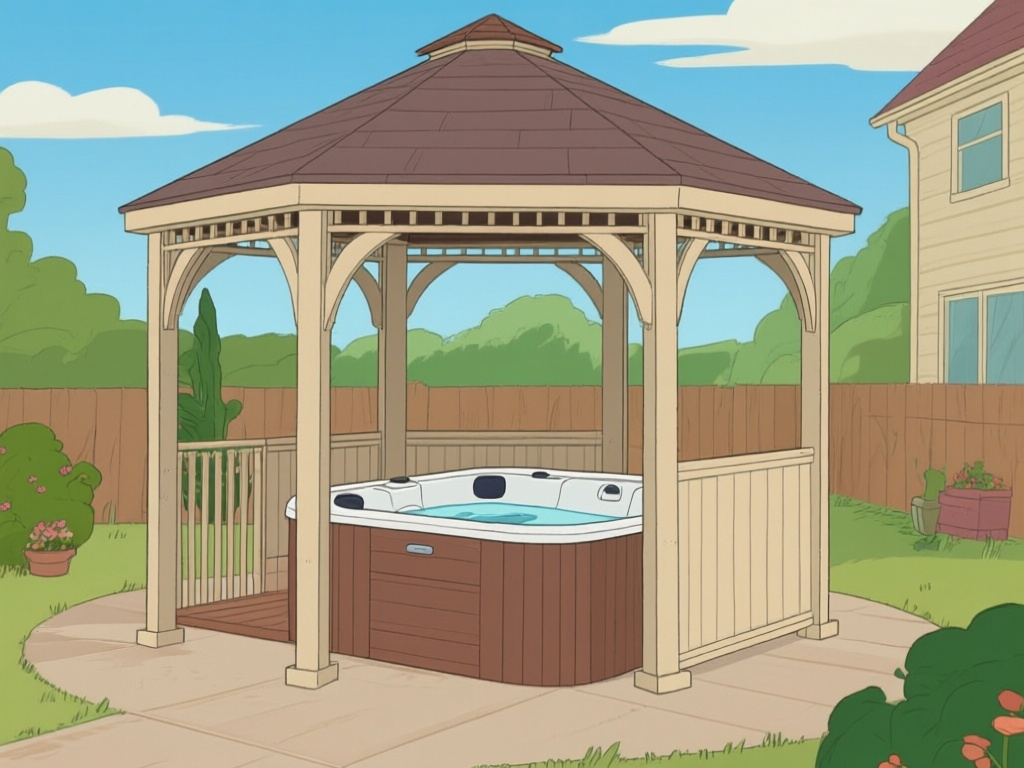
HomeHot TubTransform Your Backyard with a Hot Tub Gazebo With Sides

Transform Your Backyard with a Hot Tub Gazebo With Sides

Author

Date

Category

After years of advising homeowners on outdoor living spaces, I’ve witnessed firsthand how a simple hot tub can become the centerpiece of daily relaxation and social gatherings. Yet, many hot tub owners overlook one critical enhancement that dramatically elevates this experience: a hot tub gazebo with sides. This specialized structure transforms your outdoor spa from an exposed fixture into a private sanctuary, offering year-round protection from the elements while adding substantial aesthetic and functional value to your property. The integration of side panels whether louvered walls, sliding windows, or privacy screens creates an enclosed environment that addresses the most common complaints I hear from hot tub owners: lack of privacy, weather exposure, and excessive heat loss.

This comprehensive guide draws on industry expertise and technical knowledge to help you make an informed decision about your hot tub gazebo investment. We’ll explore every critical aspect: the comparative advantages of wood, vinyl, and metal construction materials; the various side panel configurations available; detailed installation planning from foundation requirements to electrical safety; and long-term maintenance strategies that protect your investment. Whether you’re considering a hot tub inside gazebo setup or retrofitting an existing structure, this article provides the technical insights and practical advice you need to create the perfect outdoor retreat.

Why a Gazebo with Sides is the Ultimate Hot Tub Upgrade

Unmatched Privacy and Seclusion

Throughout my career working with countless homeowners, privacy concerns consistently rank as the primary motivation for adding side panels to hot tub gazebos. Unlike open-air structures that leave you exposed to neighbors’ sightlines and street traffic, a gazebo with sides creates a true personal sanctuary. The enclosure shields you from curious eyes while maintaining an open connection to your backyard environment. This becomes particularly valuable in suburban settings where homes sit close together, or when your hot tub placement faces public areas. I’ve seen clients who rarely used their exposed hot tubs become daily users once they installed proper side panels the psychological comfort of seclusion cannot be overstated. For many families, this privacy factor transforms the hot tub from an occasional novelty into a genuine wellness retreat where they can decompress without self-consciousness.

Year-Round Weather Protection

One of the most significant technical advantages I emphasize to clients is how side panels extend your usable hot tub season dramatically. Open gazebos with just a roof provide minimal protection against horizontal rain, driving snow, or sustained wind conditions that make hot tubbing uncomfortable or even impossible. A properly enclosed hot tub with gazebo sides acts as a comprehensive weather barrier. During winter months, the panels block cold winds that would otherwise strip heat from both the water surface and users, allowing comfortable soaking even in freezing temperatures. In summer, they provide shade from intense midday sun while still allowing ventilation. Spring and autumn storms that would normally force you indoors become non-issues. I’ve worked with clients in northern climates who report using their enclosed hot tubs comfortably even during snowstorms something unthinkable with an exposed or partially covered setup.

Spa day for mom: Treat mom to a luxurious hot stone massage that melts away tension and provides deep relaxation she truly deserves.”

Enhanced Energy Efficiency and Cost Savings

From a technical standpoint, the energy efficiency gains from side panels represent substantial long-term savings. Hot tubs lose heat through three primary mechanisms: evaporation from the water surface, convection from wind movement, and radiation to the surrounding environment. According to research from the U.S. Department of Energy on landscaping and wind barriers, windbreaks can reduce heating energy consumption by creating more stable microclimates. While their research focuses on home heating, the same principles apply to hot tub heat retention. An enclosed gazebo eliminates wind-driven convective heat loss almost entirely, while also reducing evaporative losses by creating a more humid microenvironment. In my experience consulting on hot tub installations, clients with fully enclosed gazebos report 20-30% reductions in heating costs compared to exposed setups, particularly during colder months when heating demands peak. Over the five to ten year lifespan of typical hot tub heating elements, these savings can offset a significant portion of the gazebo’s initial cost.

Increased Property Value and Aesthetic Appeal

Beyond functional benefits, a well-designed hot tub gazebo with sides serves as an architectural focal point that enhances your property’s overall appeal and market value. Real estate professionals I’ve collaborated with consistently note that thoughtfully executed outdoor living structures attract buyer attention and justify premium pricing. The key lies in selecting materials and designs that complement your home’s existing architecture rather than appearing as an afterthought. A cedar gazebo with craftsman-style details can elevate a traditional home’s character, while a sleek aluminum and glass structure complements modern architecture beautifully. The structure also signals to potential buyers that the property has been meticulously maintained and upgraded a psychological advantage during sales negotiations. I’ve seen appraisers assign value increases ranging from $5,000 to $15,000 for professionally installed hot tub gazebos, though this varies considerably by region and overall property value.

Core Materials for Hot Tub Gazebos: A Comparative Analysis

Wood Gazebos (Cedar, Pine, Redwood)

Wood remains my top recommendation for clients seeking natural beauty and authentic outdoor aesthetics. Cedar, in particular, stands out as the premium choice due to its inherent rot resistance and natural oils that repel insects properties that make it ideal for humid environments surrounding hot tubs. Western Red Cedar contains natural preservatives called thujaplicins that inhibit fungal growth, meaning the structure maintains integrity even in constantly moist conditions. The wood’s cellular structure also provides excellent thermal insulation, helping maintain comfortable temperatures inside the gazebo year-round. Redwood offers similar decay resistance with a richer, darker appearance that many homeowners prefer for formal landscape designs. Pine represents a more economical wood option but requires more aggressive chemical treatment and maintenance to achieve comparable durability.

“Before your spa days for mum and daughter, consider booking a couples massage session that you and your daughter can enjoy side by side for ultimate relaxation.”

The primary consideration with wood gazebos is ongoing maintenance commitment. I advise clients to plan for annual inspections and biennial applications of high-quality water-repellent sealers or semi-transparent stains. This maintenance cycle preserves the wood’s appearance and structural integrity, preventing the silvery-gray weathering that occurs with untreated cedar. For those willing to invest this effort, wood gazebos develop a beautiful patina over time and can last thirty years or more with proper care.

Vinyl and Composite Gazebos

For homeowners prioritizing convenience over traditional aesthetics, vinyl and composite materials offer compelling advantages. These engineered products consist of PVC compounds or wood-fiber composites encased in protective polymer shells, resulting in structures that essentially never require painting, staining, or sealing. Throughout two decades of observing these materials in outdoor applications, I’ve found them remarkably resistant to moisture damage, UV degradation, and insect infestation the three primary threats to gazebo longevity. Modern manufacturing techniques have significantly improved their appearance as well, with wood-grain textures and varied color options that approximate natural materials more convincingly than earlier generations.

The trade-offs involve aesthetics and initial cost. Despite improvements, vinyl gazebos still lack the authentic warmth and character of genuine wood a subjective but important consideration for many homeowners. They also tend to carry higher upfront costs than comparable pine or even cedar structures, though this premium may be justified by eliminated maintenance expenses over the structure’s lifetime. I typically recommend vinyl or composite options to clients with limited time for property maintenance or those living in harsh coastal environments where salt air accelerates wood degradation.

Metal Gazebos (Aluminum, Steel)

Metal construction brings exceptional durability and contemporary styling to hot tub gazebo designs. Aluminum frames offer the best combination of strength and weather resistance, as the metal naturally forms a protective oxide layer that prevents further corrosion a critical advantage in humid hot tub environments. Powder-coated aluminum gazebos come in numerous colors and can maintain their appearance for decades with minimal maintenance beyond occasional cleaning. Steel structures, while heavier and more prone to rust, provide superior wind resistance and structural rigidity when properly treated. I recommend galvanized or powder-coated steel specifically for gazebo applications, as these treatments create barriers against moisture intrusion.

Metal gazebos pair particularly well with modern architectural styles and work beautifully with glass or polycarbonate panel inserts that maximize natural light. The material’s poor thermal insulation properties represent its primary disadvantage metal gazebos offer virtually no inherent temperature moderation, so they rely entirely on panel design and active ventilation for climate control. For clients in moderate climates where extreme insulation isn’t critical, aluminum gazebos deliver outstanding value through their combination of longevity, low maintenance, and sleek appearance.

Material Comparison Table

FeatureWood (Cedar)Vinyl/CompositeMetal (Aluminum)
AestheticsNatural, RusticModern, CleanIndustrial, Sleek
DurabilityHigh (With Maintenance)Very HighVery High
MaintenanceMedium-HighVery LowLow
CostMedium-HighHighMedium
InsulationGoodMediumLow

Key Side Panel Options for Your Hot Tub Gazebo

Louvered Walls (Adjustable Slats)

Adjustable louvered walls represent the most versatile side panel solution I recommend to clients seeking maximum control over their gazebo environment. These systems feature horizontal slats that pivot on central axes, allowing users to adjust the angle from fully closed for complete privacy and weather protection, to fully open for maximum airflow and views. The genius of this design lies in its adaptability on a cool evening, you might close the louvers on the windward side while keeping others open for ventilation, creating a comfortable microclimate without completely sealing the space. During hot summer days, positioning louvers at 45-degree angles allows substantial airflow while still providing privacy and shade.

“Before experimenting with additives, learn whether you can put Epsom salt in a hot tub without damaging your equipment.”

High-quality louvered systems incorporate weather seals between individual slats and use marine-grade hardware that resists corrosion in humid environments. I’ve installed these systems in both manual and motorized configurations, with the latter allowing remote control operation that clients particularly appreciate when they’re already settled in the hot tub. The primary consideration is cost louvered walls typically command premium pricing due to their mechanical complexity, but the functional benefits justify this investment for homeowners who use their hot tubs year-round in variable weather conditions.

Sliding Panels and Windows

Sliding panel systems provide a clean, modern alternative that transforms a gazebo from open to enclosed in seconds. These installations feature large panels often constructed from tempered safety glass, polycarbonate, or weather-resistant acrylic that slide along top and bottom tracks to open or close specific sides of the structure. From a functional standpoint, this design excels at creating a completely weatherproof enclosure when needed, while offering full open-air exposure when conditions permit. I’ve worked with several manufacturers whose systems include dual-pane insulated glass panels that provide exceptional thermal performance, effectively creating a four-season room around your hot tub.

The engineering challenge with sliding systems involves ensuring smooth operation despite exposure to temperature extremes, moisture, and debris. Quality installations use stainless steel or anodized aluminum tracks with self-cleaning designs that prevent dirt accumulation. Some advanced systems incorporate screens that slide independently from the solid panels, allowing insect-free ventilation a feature particularly valued by clients in regions with aggressive mosquito populations. While sliding panel systems require higher initial investment than simpler alternatives, they provide unmatched flexibility and substantially extend comfortable hot tub usage throughout changing seasons.

Privacy Screens and Curtains

For budget-conscious homeowners or those seeking a less permanent solution, outdoor-rated privacy screens and curtains offer effective enclosure without major structural modifications. Modern outdoor fabrics incorporate UV-resistant polyester or solution-dyed acrylic fibers that resist fading, mildew, and weather damage far better than traditional materials. These can be suspended from ceiling-mounted tracks or exterior rod systems, allowing them to be drawn closed for privacy and weather protection or tied back for open-air use. I often recommend this approach for clients who already own a basic gazebo structure and want to add side protection without the expense of custom-engineered panel systems.

“Understanding how to increase pH in hot tub systems starts with proper alkalinity adjustment as your first step.”

The limitations involve durability and weather performance compared to solid panel solutions. Even premium outdoor fabrics eventually degrade under constant UV exposure and require replacement every five to seven years. They also provide less robust wind and rain protection than rigid panels, though they certainly improve upon having no sides at all. For many homeowners, these screens serve as an excellent interim solution while they assess their long-term preferences before committing to more permanent panel installations.

Bar Counters and Integrated Seating

An increasingly popular feature I specify in custom gazebo designs is the integration of bar counters and built-in seating along side panels. These functional additions transform the gazebo from purely utilitarian shelter into a complete entertainment space. A bar counter built into one or two sides provides surfaces for beverages, towels, and controls, while also offering additional structural bracing for the gazebo frame. Some designs incorporate waterproof storage compartments within these counter sections, ideal for housing hot tub chemicals, testing supplies, and maintenance equipment.

Built-in bench seating along exterior walls creates comfortable spaces for guests to relax between hot tub sessions without tracking water through your home. I typically position these elements to complement rather than obstruct panel operation for example, placing fixed seating on sides with louvered panels while reserving sides with sliding panels for clear access. These integrated features do add complexity and cost to the project, but they significantly enhance the gazebo’s functionality as a true outdoor living room rather than simply a protective structure.

Planning Your Installation: From Foundation to Electrical

Choosing the Right Foundation (Concrete Slab vs. Deck)

The foundation represents the single most critical element of a successful hot tub gazebo installation, yet it’s frequently underestimated during planning. A typical eight-person hot tub weighs approximately 800 pounds empty, then adds roughly 3,000 pounds when filled with water, plus several hundred more pounds for occupants bringing total weight to over 4,000 pounds concentrated in perhaps 50 square feet. Add the gazebo structure itself, which can weigh 500 to 2,000 pounds depending on materials and size, and you’re dealing with substantial loads that demand proper support.

Poured concrete slabs represent the gold standard for hot tub gazebo foundations. I specify minimum four-inch thickness with reinforcing wire mesh or rebar, though six inches provides additional insurance against settling or cracking. The International Association of Certified Home Inspectors notes that structural supports must be properly designed for the loads they’ll carry, a principle particularly critical for combined hot tub and gazebo installations. The concrete should extend at least twelve inches beyond the gazebo footprint on all sides to provide edge support for the structure and prevent perimeter settling. Proper site preparation including gravel base layers and compaction ensures the slab remains stable long-term.

Existing wood decks can support hot tub gazebos if they meet stringent structural requirements. I always recommend having a structural engineer or qualified inspector evaluate deck capacity before proceeding. The International Association of Certified Home Inspectors provides guidelines for deck inspections that help identify potential weaknesses. Most residential decks use joist spacing and beam sizing appropriate for typical foot traffic and furniture, not concentrated loads approaching two tons. Reinforcement typically involves adding additional beams, posts, and footings directly beneath the planned hot tub location, effectively creating a structurally independent platform integrated into the existing deck.

“Dealing with cloudy hot tub water can be frustrating, but understanding the root causes makes treatment straightforward and effective.”

Electrical Requirements for a Hot Tub Inside Gazebo

Proper electrical service stands as the most critical safety consideration for any hot tub installation, requiring strict adherence to the National Electrical Code standards. Most residential hot tubs operate on dedicated 240-volt circuits with amperage ratings between 40 and 60 amps, depending on heater capacity and pump specifications. This electrical service must be installed by a licensed electrician who understands the specific requirements for wet locations attempting DIY electrical work on hot tub installations is both dangerous and illegal in most jurisdictions. The circuit must originate from a dedicated breaker in your main panel, with appropriately sized copper conductors running through weatherproof conduit to a GFCI-protected disconnect box located within sight of the hot tub but at least five feet from the water.

Ground Fault Circuit Interrupter protection is not optional it’s a legal requirement and life-saving safety feature. GFCI devices detect tiny current imbalances that indicate electrical leakage, shutting off power within milliseconds before dangerous shock can occur. The National Electrical Code mandates GFCI protection for all hot tub installations as a fundamental safety requirement. Beyond the primary power circuit, many gazebo installations benefit from additional electrical features: dedicated 120-volt circuits for lighting, ventilation fans, or entertainment systems; low-voltage landscape lighting around the structure’s perimeter; and weatherproof outlets for maintenance equipment. Planning these electrical elements during initial installation proves far more cost-effective than retrofitting later.

Understanding Local Building Codes and Permits

One of the most common mistakes I encounter is homeowners beginning construction without verifying local permit requirements, only to face stop-work orders or expensive corrective measures. Building permit requirements vary dramatically by jurisdiction, but most municipalities require permits for structures exceeding certain size thresholds commonly 120 square feet or for any permanent structure with electrical service. The permit process typically involves submitting site plans showing the gazebo’s location relative to property lines, adjacent structures, and utility easements, along with structural drawings and electrical plans.

Setback requirements deserve particular attention during planning. Most residential zones mandate minimum distances between structures and property lines, often ranging from five to fifteen feet depending on structure type and local zoning. I’ve worked with clients who had to completely relocate or significantly modify their planned gazebo because initial placement violated setback requirements. Some jurisdictions also restrict structures near septic system components or within designated drainage easements. The permit review process, while sometimes frustrating, serves valuable purposes: ensuring structural safety, verifying adequate electrical installation, and confirming compliance with zoning regulations that protect both you and your neighbors. Budget two to six weeks for permit review in most areas, and factor permit fees into your overall project budget.

DIY vs. Professional Installation: A Cost-Benefit Analysis

The decision between self-installation and hiring professionals involves carefully weighing several factors beyond simple cost comparison. DIY installation of prefabricated gazebo kits can save 40-60% of total project costs, potentially thousands of dollars on a mid-range project. For homeowners with carpentry experience, proper tools, and available time, kit assembly represents a manageable weekend project. Modern prefab kits include pre-cut components, detailed instructions, and all necessary hardware, eliminating much of the complexity from earlier generation products. However, DIY installation assumes you possess or can rent specialized equipment power augers for post holes, levels for ensuring proper structure alignment, and concrete mixing equipment for footings.

Professional installation brings expertise that proves invaluable for complex projects. Experienced contractors quickly identify and correct site-specific challenges that might stall DIY efforts: uneven terrain requiring grade adjustments, unexpected underground obstacles, or structural modifications needed for deck installations. They also carry liability insurance protecting you from financial exposure if accidents occur during construction. Perhaps most significantly, professional installers typically offer warranties on their workmanship, providing recourse if problems emerge after completion. For projects involving electrical work, local codes almost certainly require licensed electrician involvement regardless of your overall approach. My general recommendation: consider DIY for simple prefab gazebo installations on prepared concrete pads, but engage professionals for projects involving deck structural work, complex electrical requirements, or custom construction elements.

Long-Term Maintenance and Care

Routine Cleaning and Inspection

Establishing consistent maintenance routines dramatically extends gazebo lifespan and preserves appearance. For wood structures, I recommend quarterly inspections focusing on several key areas: checking for loose or corroded fasteners that compromise structural integrity, examining joints for gaps or movement indicating settling or deterioration, and identifying any areas where water penetration has caused wood swelling or rot initiation. Address these issues immediately rather than allowing small problems to cascade into major repairs. Annual cleaning with mild detergent and soft brushes removes surface grime, pollen, and mildew before they become established, while power washing can deep-clean heavily soiled areas if done carefully to avoid forcing water into wood grain.

Vinyl and composite structures require less intensive maintenance but still benefit from regular attention. Twice-yearly washing with soap and water maintains appearance and prevents oxidation or chalking that can occur even on UV-resistant materials. Check fasteners and connections annually, as thermal expansion and contraction can gradually loosen hardware. Metal gazebos need inspection for any areas where protective coatings have been scratched or damaged, exposing bare metal to potential corrosion. Touch up these spots immediately with appropriate paint or coating to prevent rust development. For all side panel systems whether louvered, sliding, or curtain-based verify that operating mechanisms function smoothly and lubricate moving parts according to manufacturer specifications.

Protecting Your Investment Through Seasons

Seasonal maintenance requirements vary by climate and material but share common principles. In regions experiencing winter snow loads, I strongly advise monitoring accumulation and removing heavy snow before it stresses the roof structure. Even well-engineered gazebos have load limits, and wet, heavy snow can approach or exceed these limits during severe storms. Winter also demands attention to any water intrusion points freezing water expands with tremendous force, potentially cracking wood or forcing apart joints. Before winter arrives, ensure all sealer and caulk applications are intact.

Summer presents different challenges, primarily UV degradation and heat-related expansion. Wood structures benefit from maintaining proper sealer coats that block UV penetration, the primary cause of wood surface breakdown and color fading. Reapply these protective coatings before existing layers fail completely prevention is far easier than restoration. For structures with glass or acrylic panels, summer cleaning removes pollen and dust that reduce transparency and can become baked onto surfaces if left too long. Check that all ventilation systems function properly, as summer heat combined with hot tub steam creates conditions conducive to mold growth without adequate air circulation.

Managing Ventilation and Preventing Mold

Ventilation deserves special emphasis for enclosed hot tub gazebos due to the constant moisture production from evaporating water. Poor ventilation creates persistently humid environments where mold and mildew thrive on wood surfaces, fabric elements, and even metal fixtures. The key to preventing these issues is maintaining air circulation that removes moisture-laden air and replaces it with fresh, drier air. Passive ventilation through adjustable louvers or windows works well in many climates, particularly if you position openings to create cross-breezes place intake openings on prevailing wind sides and exhaust openings on opposite sides.

For gazebos in humid climates or those used heavily during cold months when windows remain closed, mechanical ventilation provides more reliable moisture control. I typically specify humidity-sensing exhaust fans that activate automatically when interior humidity exceeds set thresholds, then shut off once air dries sufficiently. These fans should vent directly outside rather than into the gazebo roof cavity where trapped moisture could damage structural elements. Some clients incorporate small dehumidifiers into their gazebo designs, though these require regular water drainage and energy consumption. The investment in proper ventilation systems prevents far more expensive repairs later I’ve witnessed complete gazebo rebuilds necessitated by extensive hidden mold damage that could have been prevented with adequate air exchange.

Creating the Perfect Hot Tub Gazebo With Sides

A hot tub gazebo with sides represents far more than a simple accessory it’s a transformative investment that elevates your outdoor living experience while providing tangible functional and financial benefits. Through enhanced privacy, comprehensive weather protection, improved energy efficiency, and substantial aesthetic appeal, these structures address the primary limitations of exposed hot tub installations. The material options available today from classic cedar to low-maintenance vinyl to sleek aluminum ensure you can find solutions perfectly suited to your architectural preferences, maintenance capabilities, and budget constraints. Whether you choose adjustable louvered walls, sliding glass panels, or more modest curtain systems for enclosure, the fundamental advantage remains: converting your hot tub from an occasionally used outdoor feature into a true four-season sanctuary.

The planning and installation process demands careful attention to foundations, electrical safety, permit compliance, and professional expertise when appropriate, but these upfront investments protect against far more expensive problems later. Similarly, committing to appropriate maintenance routines tailored to your chosen materials ensures decades of enjoyment from your hot tub with gazebo installation. As you move forward with your project, use the technical insights and comparative analyses provided here to make informed decisions aligned with your specific needs. Your backyard deserves a thoughtfully designed retreat where you can escape daily pressures, and a properly executed hot tub gazebo with sides delivers exactly that a private oasis that enhances both your lifestyle and your property’s value for years to come.

Frequently Asked Questions

How much does a good hot tub gazebo with sides cost?

Based on extensive market analysis and client projects, expect costs to vary substantially depending on materials, size, and customization level. Basic DIY prefab kits with simple side panels start around $3,000 to $5,000 for modest 10×10 foot structures, while mid-range professionally installed cedar or vinyl gazebos with quality louvered or sliding panel systems typically range from $8,000 to $15,000. Premium custom installations incorporating high-grade materials, integrated electrical systems, and sophisticated panel mechanisms can exceed $20,000 to $25,000. These figures include materials but professional installation generally adds 30-50% to kit costs. Foundation work, electrical service, and permit fees represent additional expenses often totaling $2,000 to $5,000 depending on site conditions. When budgeting, remember that higher-quality materials and construction typically reduce long-term maintenance costs, potentially justifying larger upfront investments.

Can I add sides to an existing gazebo?

Yes, retrofitting an existing gazebo with side panels is absolutely feasible and represents an economical upgrade path for many homeowners. Success depends primarily on your current structure’s design and condition. Open gazebos with substantial support posts and roof framing can typically accommodate aftermarket panel systems designed for retrofit applications. Several manufacturers produce universal side panel kits featuring louvered walls, sliding screens, or curtain systems that attach to standard gazebo dimensions. The process usually involves mounting horizontal rails or tracks to existing posts, then installing the panel components into these frameworks. I recommend consulting with the original gazebo manufacturer first, as they may offer specific retrofit options designed for their structures. For custom or older gazebos, working with a contractor experienced in gazebo modifications ensures proper fit and structural compatibility. Verify that existing footings and framing can support additional wind loads imposed by solid panels before proceeding.

Do I need a permit to build a hot tub gazebo?

Permit requirements depend on local building codes and the gazebo’s specifications, but many jurisdictions do require permits for structures exceeding certain thresholds. As a general guideline, permanent structures larger than 100-120 square feet approximately a 10×10 or 10×12 foot gazebo typically trigger permit requirements in most residential zones. Any structure requiring electrical service almost universally requires permits and inspections regardless of size, due to safety implications. Additional factors influencing permit requirements include permanent foundation work, proximity to property lines or easements, and local historical district regulations. The safest approach is always contacting your municipal building department before beginning any work. Staff can definitively confirm whether permits are necessary for your specific project and explain the application process. While permit requirements might seem burdensome, they protect your investment by ensuring professional review of structural and electrical plans, and permitted work typically transfers more smoothly during home sales since documentation proves code compliance.

Sources

U.S. Department of Energy – “Tips: Landscaping” – Energy efficiency and windbreak information
International Association of Certified Home Inspectors (InterNACHI) – “Deck Inspections” – Deck safety and load capacity standards
Wikipedia – “Gazebo” – General definition and historical context
National Electrical Code (NEC) – Hot tub electrical safety standards and GFCI requirements

After years of advising homeowners on outdoor living spaces, I’ve witnessed firsthand how a simple hot tub can become the centerpiece of daily relaxation and social gatherings. Yet, many hot tub owners overlook one critical enhancement that dramatically elevates this experience: a hot tub gazebo with sides. This specialized structure transforms your outdoor spa from an exposed fixture into a private sanctuary, offering year-round protection from the elements while adding substantial aesthetic and functional value to your property. The integration of side panels whether louvered walls, sliding windows, or privacy screens creates an enclosed environment that addresses the most common complaints I hear from hot tub owners: lack of privacy, weather exposure, and excessive heat loss.

This comprehensive guide draws on industry expertise and technical knowledge to help you make an informed decision about your hot tub gazebo investment. We’ll explore every critical aspect: the comparative advantages of wood, vinyl, and metal construction materials; the various side panel configurations available; detailed installation planning from foundation requirements to electrical safety; and long-term maintenance strategies that protect your investment. Whether you’re considering a hot tub inside gazebo setup or retrofitting an existing structure, this article provides the technical insights and practical advice you need to create the perfect outdoor retreat.

Why a Gazebo with Sides is the Ultimate Hot Tub Upgrade

Unmatched Privacy and Seclusion

Throughout my career working with countless homeowners, privacy concerns consistently rank as the primary motivation for adding side panels to hot tub gazebos. Unlike open-air structures that leave you exposed to neighbors’ sightlines and street traffic, a gazebo with sides creates a true personal sanctuary. The enclosure shields you from curious eyes while maintaining an open connection to your backyard environment. This becomes particularly valuable in suburban settings where homes sit close together, or when your hot tub placement faces public areas. I’ve seen clients who rarely used their exposed hot tubs become daily users once they installed proper side panels the psychological comfort of seclusion cannot be overstated. For many families, this privacy factor transforms the hot tub from an occasional novelty into a genuine wellness retreat where they can decompress without self-consciousness.

Year-Round Weather Protection

One of the most significant technical advantages I emphasize to clients is how side panels extend your usable hot tub season dramatically. Open gazebos with just a roof provide minimal protection against horizontal rain, driving snow, or sustained wind conditions that make hot tubbing uncomfortable or even impossible. A properly enclosed hot tub with gazebo sides acts as a comprehensive weather barrier. During winter months, the panels block cold winds that would otherwise strip heat from both the water surface and users, allowing comfortable soaking even in freezing temperatures. In summer, they provide shade from intense midday sun while still allowing ventilation. Spring and autumn storms that would normally force you indoors become non-issues. I’ve worked with clients in northern climates who report using their enclosed hot tubs comfortably even during snowstorms something unthinkable with an exposed or partially covered setup.

Spa day for mom: Treat mom to a luxurious hot stone massage that melts away tension and provides deep relaxation she truly deserves.”

Enhanced Energy Efficiency and Cost Savings

From a technical standpoint, the energy efficiency gains from side panels represent substantial long-term savings. Hot tubs lose heat through three primary mechanisms: evaporation from the water surface, convection from wind movement, and radiation to the surrounding environment. According to research from the U.S. Department of Energy on landscaping and wind barriers, windbreaks can reduce heating energy consumption by creating more stable microclimates. While their research focuses on home heating, the same principles apply to hot tub heat retention. An enclosed gazebo eliminates wind-driven convective heat loss almost entirely, while also reducing evaporative losses by creating a more humid microenvironment. In my experience consulting on hot tub installations, clients with fully enclosed gazebos report 20-30% reductions in heating costs compared to exposed setups, particularly during colder months when heating demands peak. Over the five to ten year lifespan of typical hot tub heating elements, these savings can offset a significant portion of the gazebo’s initial cost.

Increased Property Value and Aesthetic Appeal

Beyond functional benefits, a well-designed hot tub gazebo with sides serves as an architectural focal point that enhances your property’s overall appeal and market value. Real estate professionals I’ve collaborated with consistently note that thoughtfully executed outdoor living structures attract buyer attention and justify premium pricing. The key lies in selecting materials and designs that complement your home’s existing architecture rather than appearing as an afterthought. A cedar gazebo with craftsman-style details can elevate a traditional home’s character, while a sleek aluminum and glass structure complements modern architecture beautifully. The structure also signals to potential buyers that the property has been meticulously maintained and upgraded a psychological advantage during sales negotiations. I’ve seen appraisers assign value increases ranging from $5,000 to $15,000 for professionally installed hot tub gazebos, though this varies considerably by region and overall property value.

Core Materials for Hot Tub Gazebos: A Comparative Analysis

Wood Gazebos (Cedar, Pine, Redwood)

Wood remains my top recommendation for clients seeking natural beauty and authentic outdoor aesthetics. Cedar, in particular, stands out as the premium choice due to its inherent rot resistance and natural oils that repel insects properties that make it ideal for humid environments surrounding hot tubs. Western Red Cedar contains natural preservatives called thujaplicins that inhibit fungal growth, meaning the structure maintains integrity even in constantly moist conditions. The wood’s cellular structure also provides excellent thermal insulation, helping maintain comfortable temperatures inside the gazebo year-round. Redwood offers similar decay resistance with a richer, darker appearance that many homeowners prefer for formal landscape designs. Pine represents a more economical wood option but requires more aggressive chemical treatment and maintenance to achieve comparable durability.

“Before your spa days for mum and daughter, consider booking a couples massage session that you and your daughter can enjoy side by side for ultimate relaxation.”

The primary consideration with wood gazebos is ongoing maintenance commitment. I advise clients to plan for annual inspections and biennial applications of high-quality water-repellent sealers or semi-transparent stains. This maintenance cycle preserves the wood’s appearance and structural integrity, preventing the silvery-gray weathering that occurs with untreated cedar. For those willing to invest this effort, wood gazebos develop a beautiful patina over time and can last thirty years or more with proper care.

Vinyl and Composite Gazebos

For homeowners prioritizing convenience over traditional aesthetics, vinyl and composite materials offer compelling advantages. These engineered products consist of PVC compounds or wood-fiber composites encased in protective polymer shells, resulting in structures that essentially never require painting, staining, or sealing. Throughout two decades of observing these materials in outdoor applications, I’ve found them remarkably resistant to moisture damage, UV degradation, and insect infestation the three primary threats to gazebo longevity. Modern manufacturing techniques have significantly improved their appearance as well, with wood-grain textures and varied color options that approximate natural materials more convincingly than earlier generations.

The trade-offs involve aesthetics and initial cost. Despite improvements, vinyl gazebos still lack the authentic warmth and character of genuine wood a subjective but important consideration for many homeowners. They also tend to carry higher upfront costs than comparable pine or even cedar structures, though this premium may be justified by eliminated maintenance expenses over the structure’s lifetime. I typically recommend vinyl or composite options to clients with limited time for property maintenance or those living in harsh coastal environments where salt air accelerates wood degradation.

Metal Gazebos (Aluminum, Steel)

Metal construction brings exceptional durability and contemporary styling to hot tub gazebo designs. Aluminum frames offer the best combination of strength and weather resistance, as the metal naturally forms a protective oxide layer that prevents further corrosion a critical advantage in humid hot tub environments. Powder-coated aluminum gazebos come in numerous colors and can maintain their appearance for decades with minimal maintenance beyond occasional cleaning. Steel structures, while heavier and more prone to rust, provide superior wind resistance and structural rigidity when properly treated. I recommend galvanized or powder-coated steel specifically for gazebo applications, as these treatments create barriers against moisture intrusion.

Metal gazebos pair particularly well with modern architectural styles and work beautifully with glass or polycarbonate panel inserts that maximize natural light. The material’s poor thermal insulation properties represent its primary disadvantage metal gazebos offer virtually no inherent temperature moderation, so they rely entirely on panel design and active ventilation for climate control. For clients in moderate climates where extreme insulation isn’t critical, aluminum gazebos deliver outstanding value through their combination of longevity, low maintenance, and sleek appearance.

Material Comparison Table

FeatureWood (Cedar)Vinyl/CompositeMetal (Aluminum)
AestheticsNatural, RusticModern, CleanIndustrial, Sleek
DurabilityHigh (With Maintenance)Very HighVery High
MaintenanceMedium-HighVery LowLow
CostMedium-HighHighMedium
InsulationGoodMediumLow

Key Side Panel Options for Your Hot Tub Gazebo

Louvered Walls (Adjustable Slats)

Adjustable louvered walls represent the most versatile side panel solution I recommend to clients seeking maximum control over their gazebo environment. These systems feature horizontal slats that pivot on central axes, allowing users to adjust the angle from fully closed for complete privacy and weather protection, to fully open for maximum airflow and views. The genius of this design lies in its adaptability on a cool evening, you might close the louvers on the windward side while keeping others open for ventilation, creating a comfortable microclimate without completely sealing the space. During hot summer days, positioning louvers at 45-degree angles allows substantial airflow while still providing privacy and shade.

“Before experimenting with additives, learn whether you can put Epsom salt in a hot tub without damaging your equipment.”

High-quality louvered systems incorporate weather seals between individual slats and use marine-grade hardware that resists corrosion in humid environments. I’ve installed these systems in both manual and motorized configurations, with the latter allowing remote control operation that clients particularly appreciate when they’re already settled in the hot tub. The primary consideration is cost louvered walls typically command premium pricing due to their mechanical complexity, but the functional benefits justify this investment for homeowners who use their hot tubs year-round in variable weather conditions.

Sliding Panels and Windows

Sliding panel systems provide a clean, modern alternative that transforms a gazebo from open to enclosed in seconds. These installations feature large panels often constructed from tempered safety glass, polycarbonate, or weather-resistant acrylic that slide along top and bottom tracks to open or close specific sides of the structure. From a functional standpoint, this design excels at creating a completely weatherproof enclosure when needed, while offering full open-air exposure when conditions permit. I’ve worked with several manufacturers whose systems include dual-pane insulated glass panels that provide exceptional thermal performance, effectively creating a four-season room around your hot tub.

The engineering challenge with sliding systems involves ensuring smooth operation despite exposure to temperature extremes, moisture, and debris. Quality installations use stainless steel or anodized aluminum tracks with self-cleaning designs that prevent dirt accumulation. Some advanced systems incorporate screens that slide independently from the solid panels, allowing insect-free ventilation a feature particularly valued by clients in regions with aggressive mosquito populations. While sliding panel systems require higher initial investment than simpler alternatives, they provide unmatched flexibility and substantially extend comfortable hot tub usage throughout changing seasons.

Privacy Screens and Curtains

For budget-conscious homeowners or those seeking a less permanent solution, outdoor-rated privacy screens and curtains offer effective enclosure without major structural modifications. Modern outdoor fabrics incorporate UV-resistant polyester or solution-dyed acrylic fibers that resist fading, mildew, and weather damage far better than traditional materials. These can be suspended from ceiling-mounted tracks or exterior rod systems, allowing them to be drawn closed for privacy and weather protection or tied back for open-air use. I often recommend this approach for clients who already own a basic gazebo structure and want to add side protection without the expense of custom-engineered panel systems.

“Understanding how to increase pH in hot tub systems starts with proper alkalinity adjustment as your first step.”

The limitations involve durability and weather performance compared to solid panel solutions. Even premium outdoor fabrics eventually degrade under constant UV exposure and require replacement every five to seven years. They also provide less robust wind and rain protection than rigid panels, though they certainly improve upon having no sides at all. For many homeowners, these screens serve as an excellent interim solution while they assess their long-term preferences before committing to more permanent panel installations.

Bar Counters and Integrated Seating

An increasingly popular feature I specify in custom gazebo designs is the integration of bar counters and built-in seating along side panels. These functional additions transform the gazebo from purely utilitarian shelter into a complete entertainment space. A bar counter built into one or two sides provides surfaces for beverages, towels, and controls, while also offering additional structural bracing for the gazebo frame. Some designs incorporate waterproof storage compartments within these counter sections, ideal for housing hot tub chemicals, testing supplies, and maintenance equipment.

Built-in bench seating along exterior walls creates comfortable spaces for guests to relax between hot tub sessions without tracking water through your home. I typically position these elements to complement rather than obstruct panel operation for example, placing fixed seating on sides with louvered panels while reserving sides with sliding panels for clear access. These integrated features do add complexity and cost to the project, but they significantly enhance the gazebo’s functionality as a true outdoor living room rather than simply a protective structure.

Planning Your Installation: From Foundation to Electrical

Choosing the Right Foundation (Concrete Slab vs. Deck)

The foundation represents the single most critical element of a successful hot tub gazebo installation, yet it’s frequently underestimated during planning. A typical eight-person hot tub weighs approximately 800 pounds empty, then adds roughly 3,000 pounds when filled with water, plus several hundred more pounds for occupants bringing total weight to over 4,000 pounds concentrated in perhaps 50 square feet. Add the gazebo structure itself, which can weigh 500 to 2,000 pounds depending on materials and size, and you’re dealing with substantial loads that demand proper support.

Poured concrete slabs represent the gold standard for hot tub gazebo foundations. I specify minimum four-inch thickness with reinforcing wire mesh or rebar, though six inches provides additional insurance against settling or cracking. The International Association of Certified Home Inspectors notes that structural supports must be properly designed for the loads they’ll carry, a principle particularly critical for combined hot tub and gazebo installations. The concrete should extend at least twelve inches beyond the gazebo footprint on all sides to provide edge support for the structure and prevent perimeter settling. Proper site preparation including gravel base layers and compaction ensures the slab remains stable long-term.

Existing wood decks can support hot tub gazebos if they meet stringent structural requirements. I always recommend having a structural engineer or qualified inspector evaluate deck capacity before proceeding. The International Association of Certified Home Inspectors provides guidelines for deck inspections that help identify potential weaknesses. Most residential decks use joist spacing and beam sizing appropriate for typical foot traffic and furniture, not concentrated loads approaching two tons. Reinforcement typically involves adding additional beams, posts, and footings directly beneath the planned hot tub location, effectively creating a structurally independent platform integrated into the existing deck.

“Dealing with cloudy hot tub water can be frustrating, but understanding the root causes makes treatment straightforward and effective.”

Electrical Requirements for a Hot Tub Inside Gazebo

Proper electrical service stands as the most critical safety consideration for any hot tub installation, requiring strict adherence to the National Electrical Code standards. Most residential hot tubs operate on dedicated 240-volt circuits with amperage ratings between 40 and 60 amps, depending on heater capacity and pump specifications. This electrical service must be installed by a licensed electrician who understands the specific requirements for wet locations attempting DIY electrical work on hot tub installations is both dangerous and illegal in most jurisdictions. The circuit must originate from a dedicated breaker in your main panel, with appropriately sized copper conductors running through weatherproof conduit to a GFCI-protected disconnect box located within sight of the hot tub but at least five feet from the water.

Ground Fault Circuit Interrupter protection is not optional it’s a legal requirement and life-saving safety feature. GFCI devices detect tiny current imbalances that indicate electrical leakage, shutting off power within milliseconds before dangerous shock can occur. The National Electrical Code mandates GFCI protection for all hot tub installations as a fundamental safety requirement. Beyond the primary power circuit, many gazebo installations benefit from additional electrical features: dedicated 120-volt circuits for lighting, ventilation fans, or entertainment systems; low-voltage landscape lighting around the structure’s perimeter; and weatherproof outlets for maintenance equipment. Planning these electrical elements during initial installation proves far more cost-effective than retrofitting later.

Understanding Local Building Codes and Permits

One of the most common mistakes I encounter is homeowners beginning construction without verifying local permit requirements, only to face stop-work orders or expensive corrective measures. Building permit requirements vary dramatically by jurisdiction, but most municipalities require permits for structures exceeding certain size thresholds commonly 120 square feet or for any permanent structure with electrical service. The permit process typically involves submitting site plans showing the gazebo’s location relative to property lines, adjacent structures, and utility easements, along with structural drawings and electrical plans.

Setback requirements deserve particular attention during planning. Most residential zones mandate minimum distances between structures and property lines, often ranging from five to fifteen feet depending on structure type and local zoning. I’ve worked with clients who had to completely relocate or significantly modify their planned gazebo because initial placement violated setback requirements. Some jurisdictions also restrict structures near septic system components or within designated drainage easements. The permit review process, while sometimes frustrating, serves valuable purposes: ensuring structural safety, verifying adequate electrical installation, and confirming compliance with zoning regulations that protect both you and your neighbors. Budget two to six weeks for permit review in most areas, and factor permit fees into your overall project budget.

DIY vs. Professional Installation: A Cost-Benefit Analysis

The decision between self-installation and hiring professionals involves carefully weighing several factors beyond simple cost comparison. DIY installation of prefabricated gazebo kits can save 40-60% of total project costs, potentially thousands of dollars on a mid-range project. For homeowners with carpentry experience, proper tools, and available time, kit assembly represents a manageable weekend project. Modern prefab kits include pre-cut components, detailed instructions, and all necessary hardware, eliminating much of the complexity from earlier generation products. However, DIY installation assumes you possess or can rent specialized equipment power augers for post holes, levels for ensuring proper structure alignment, and concrete mixing equipment for footings.

Professional installation brings expertise that proves invaluable for complex projects. Experienced contractors quickly identify and correct site-specific challenges that might stall DIY efforts: uneven terrain requiring grade adjustments, unexpected underground obstacles, or structural modifications needed for deck installations. They also carry liability insurance protecting you from financial exposure if accidents occur during construction. Perhaps most significantly, professional installers typically offer warranties on their workmanship, providing recourse if problems emerge after completion. For projects involving electrical work, local codes almost certainly require licensed electrician involvement regardless of your overall approach. My general recommendation: consider DIY for simple prefab gazebo installations on prepared concrete pads, but engage professionals for projects involving deck structural work, complex electrical requirements, or custom construction elements.

Long-Term Maintenance and Care

Routine Cleaning and Inspection

Establishing consistent maintenance routines dramatically extends gazebo lifespan and preserves appearance. For wood structures, I recommend quarterly inspections focusing on several key areas: checking for loose or corroded fasteners that compromise structural integrity, examining joints for gaps or movement indicating settling or deterioration, and identifying any areas where water penetration has caused wood swelling or rot initiation. Address these issues immediately rather than allowing small problems to cascade into major repairs. Annual cleaning with mild detergent and soft brushes removes surface grime, pollen, and mildew before they become established, while power washing can deep-clean heavily soiled areas if done carefully to avoid forcing water into wood grain.

Vinyl and composite structures require less intensive maintenance but still benefit from regular attention. Twice-yearly washing with soap and water maintains appearance and prevents oxidation or chalking that can occur even on UV-resistant materials. Check fasteners and connections annually, as thermal expansion and contraction can gradually loosen hardware. Metal gazebos need inspection for any areas where protective coatings have been scratched or damaged, exposing bare metal to potential corrosion. Touch up these spots immediately with appropriate paint or coating to prevent rust development. For all side panel systems whether louvered, sliding, or curtain-based verify that operating mechanisms function smoothly and lubricate moving parts according to manufacturer specifications.

Protecting Your Investment Through Seasons

Seasonal maintenance requirements vary by climate and material but share common principles. In regions experiencing winter snow loads, I strongly advise monitoring accumulation and removing heavy snow before it stresses the roof structure. Even well-engineered gazebos have load limits, and wet, heavy snow can approach or exceed these limits during severe storms. Winter also demands attention to any water intrusion points freezing water expands with tremendous force, potentially cracking wood or forcing apart joints. Before winter arrives, ensure all sealer and caulk applications are intact.

Summer presents different challenges, primarily UV degradation and heat-related expansion. Wood structures benefit from maintaining proper sealer coats that block UV penetration, the primary cause of wood surface breakdown and color fading. Reapply these protective coatings before existing layers fail completely prevention is far easier than restoration. For structures with glass or acrylic panels, summer cleaning removes pollen and dust that reduce transparency and can become baked onto surfaces if left too long. Check that all ventilation systems function properly, as summer heat combined with hot tub steam creates conditions conducive to mold growth without adequate air circulation.

Managing Ventilation and Preventing Mold

Ventilation deserves special emphasis for enclosed hot tub gazebos due to the constant moisture production from evaporating water. Poor ventilation creates persistently humid environments where mold and mildew thrive on wood surfaces, fabric elements, and even metal fixtures. The key to preventing these issues is maintaining air circulation that removes moisture-laden air and replaces it with fresh, drier air. Passive ventilation through adjustable louvers or windows works well in many climates, particularly if you position openings to create cross-breezes place intake openings on prevailing wind sides and exhaust openings on opposite sides.

For gazebos in humid climates or those used heavily during cold months when windows remain closed, mechanical ventilation provides more reliable moisture control. I typically specify humidity-sensing exhaust fans that activate automatically when interior humidity exceeds set thresholds, then shut off once air dries sufficiently. These fans should vent directly outside rather than into the gazebo roof cavity where trapped moisture could damage structural elements. Some clients incorporate small dehumidifiers into their gazebo designs, though these require regular water drainage and energy consumption. The investment in proper ventilation systems prevents far more expensive repairs later I’ve witnessed complete gazebo rebuilds necessitated by extensive hidden mold damage that could have been prevented with adequate air exchange.

Creating the Perfect Hot Tub Gazebo With Sides

A hot tub gazebo with sides represents far more than a simple accessory it’s a transformative investment that elevates your outdoor living experience while providing tangible functional and financial benefits. Through enhanced privacy, comprehensive weather protection, improved energy efficiency, and substantial aesthetic appeal, these structures address the primary limitations of exposed hot tub installations. The material options available today from classic cedar to low-maintenance vinyl to sleek aluminum ensure you can find solutions perfectly suited to your architectural preferences, maintenance capabilities, and budget constraints. Whether you choose adjustable louvered walls, sliding glass panels, or more modest curtain systems for enclosure, the fundamental advantage remains: converting your hot tub from an occasionally used outdoor feature into a true four-season sanctuary.

The planning and installation process demands careful attention to foundations, electrical safety, permit compliance, and professional expertise when appropriate, but these upfront investments protect against far more expensive problems later. Similarly, committing to appropriate maintenance routines tailored to your chosen materials ensures decades of enjoyment from your hot tub with gazebo installation. As you move forward with your project, use the technical insights and comparative analyses provided here to make informed decisions aligned with your specific needs. Your backyard deserves a thoughtfully designed retreat where you can escape daily pressures, and a properly executed hot tub gazebo with sides delivers exactly that a private oasis that enhances both your lifestyle and your property’s value for years to come.

Frequently Asked Questions

How much does a good hot tub gazebo with sides cost?

Based on extensive market analysis and client projects, expect costs to vary substantially depending on materials, size, and customization level. Basic DIY prefab kits with simple side panels start around $3,000 to $5,000 for modest 10×10 foot structures, while mid-range professionally installed cedar or vinyl gazebos with quality louvered or sliding panel systems typically range from $8,000 to $15,000. Premium custom installations incorporating high-grade materials, integrated electrical systems, and sophisticated panel mechanisms can exceed $20,000 to $25,000. These figures include materials but professional installation generally adds 30-50% to kit costs. Foundation work, electrical service, and permit fees represent additional expenses often totaling $2,000 to $5,000 depending on site conditions. When budgeting, remember that higher-quality materials and construction typically reduce long-term maintenance costs, potentially justifying larger upfront investments.

Can I add sides to an existing gazebo?

Yes, retrofitting an existing gazebo with side panels is absolutely feasible and represents an economical upgrade path for many homeowners. Success depends primarily on your current structure’s design and condition. Open gazebos with substantial support posts and roof framing can typically accommodate aftermarket panel systems designed for retrofit applications. Several manufacturers produce universal side panel kits featuring louvered walls, sliding screens, or curtain systems that attach to standard gazebo dimensions. The process usually involves mounting horizontal rails or tracks to existing posts, then installing the panel components into these frameworks. I recommend consulting with the original gazebo manufacturer first, as they may offer specific retrofit options designed for their structures. For custom or older gazebos, working with a contractor experienced in gazebo modifications ensures proper fit and structural compatibility. Verify that existing footings and framing can support additional wind loads imposed by solid panels before proceeding.

Do I need a permit to build a hot tub gazebo?

Permit requirements depend on local building codes and the gazebo’s specifications, but many jurisdictions do require permits for structures exceeding certain thresholds. As a general guideline, permanent structures larger than 100-120 square feet approximately a 10×10 or 10×12 foot gazebo typically trigger permit requirements in most residential zones. Any structure requiring electrical service almost universally requires permits and inspections regardless of size, due to safety implications. Additional factors influencing permit requirements include permanent foundation work, proximity to property lines or easements, and local historical district regulations. The safest approach is always contacting your municipal building department before beginning any work. Staff can definitively confirm whether permits are necessary for your specific project and explain the application process. While permit requirements might seem burdensome, they protect your investment by ensuring professional review of structural and electrical plans, and permitted work typically transfers more smoothly during home sales since documentation proves code compliance.

Sources

U.S. Department of Energy – “Tips: Landscaping” – Energy efficiency and windbreak information
International Association of Certified Home Inspectors (InterNACHI) – “Deck Inspections” – Deck safety and load capacity standards
Wikipedia – “Gazebo” – General definition and historical context
National Electrical Code (NEC) – Hot tub electrical safety standards and GFCI requirements

After years of advising homeowners on outdoor living spaces, I’ve witnessed firsthand how a simple hot tub can become the centerpiece of daily relaxation and social gatherings. Yet, many hot tub owners overlook one critical enhancement that dramatically elevates this experience: a hot tub gazebo with sides. This specialized structure transforms your outdoor spa from an exposed fixture into a private sanctuary, offering year-round protection from the elements while adding substantial aesthetic and functional value to your property. The integration of side panels whether louvered walls, sliding windows, or privacy screens creates an enclosed environment that addresses the most common complaints I hear from hot tub owners: lack of privacy, weather exposure, and excessive heat loss.

This comprehensive guide draws on industry expertise and technical knowledge to help you make an informed decision about your hot tub gazebo investment. We’ll explore every critical aspect: the comparative advantages of wood, vinyl, and metal construction materials; the various side panel configurations available; detailed installation planning from foundation requirements to electrical safety; and long-term maintenance strategies that protect your investment. Whether you’re considering a hot tub inside gazebo setup or retrofitting an existing structure, this article provides the technical insights and practical advice you need to create the perfect outdoor retreat.

Why a Gazebo with Sides is the Ultimate Hot Tub Upgrade

Unmatched Privacy and Seclusion

Throughout my career working with countless homeowners, privacy concerns consistently rank as the primary motivation for adding side panels to hot tub gazebos. Unlike open-air structures that leave you exposed to neighbors’ sightlines and street traffic, a gazebo with sides creates a true personal sanctuary. The enclosure shields you from curious eyes while maintaining an open connection to your backyard environment. This becomes particularly valuable in suburban settings where homes sit close together, or when your hot tub placement faces public areas. I’ve seen clients who rarely used their exposed hot tubs become daily users once they installed proper side panels the psychological comfort of seclusion cannot be overstated. For many families, this privacy factor transforms the hot tub from an occasional novelty into a genuine wellness retreat where they can decompress without self-consciousness.

Year-Round Weather Protection

One of the most significant technical advantages I emphasize to clients is how side panels extend your usable hot tub season dramatically. Open gazebos with just a roof provide minimal protection against horizontal rain, driving snow, or sustained wind conditions that make hot tubbing uncomfortable or even impossible. A properly enclosed hot tub with gazebo sides acts as a comprehensive weather barrier. During winter months, the panels block cold winds that would otherwise strip heat from both the water surface and users, allowing comfortable soaking even in freezing temperatures. In summer, they provide shade from intense midday sun while still allowing ventilation. Spring and autumn storms that would normally force you indoors become non-issues. I’ve worked with clients in northern climates who report using their enclosed hot tubs comfortably even during snowstorms something unthinkable with an exposed or partially covered setup.

Spa day for mom: Treat mom to a luxurious hot stone massage that melts away tension and provides deep relaxation she truly deserves.”

Enhanced Energy Efficiency and Cost Savings

From a technical standpoint, the energy efficiency gains from side panels represent substantial long-term savings. Hot tubs lose heat through three primary mechanisms: evaporation from the water surface, convection from wind movement, and radiation to the surrounding environment. According to research from the U.S. Department of Energy on landscaping and wind barriers, windbreaks can reduce heating energy consumption by creating more stable microclimates. While their research focuses on home heating, the same principles apply to hot tub heat retention. An enclosed gazebo eliminates wind-driven convective heat loss almost entirely, while also reducing evaporative losses by creating a more humid microenvironment. In my experience consulting on hot tub installations, clients with fully enclosed gazebos report 20-30% reductions in heating costs compared to exposed setups, particularly during colder months when heating demands peak. Over the five to ten year lifespan of typical hot tub heating elements, these savings can offset a significant portion of the gazebo’s initial cost.

Increased Property Value and Aesthetic Appeal

Beyond functional benefits, a well-designed hot tub gazebo with sides serves as an architectural focal point that enhances your property’s overall appeal and market value. Real estate professionals I’ve collaborated with consistently note that thoughtfully executed outdoor living structures attract buyer attention and justify premium pricing. The key lies in selecting materials and designs that complement your home’s existing architecture rather than appearing as an afterthought. A cedar gazebo with craftsman-style details can elevate a traditional home’s character, while a sleek aluminum and glass structure complements modern architecture beautifully. The structure also signals to potential buyers that the property has been meticulously maintained and upgraded a psychological advantage during sales negotiations. I’ve seen appraisers assign value increases ranging from $5,000 to $15,000 for professionally installed hot tub gazebos, though this varies considerably by region and overall property value.

Core Materials for Hot Tub Gazebos: A Comparative Analysis

Wood Gazebos (Cedar, Pine, Redwood)

Wood remains my top recommendation for clients seeking natural beauty and authentic outdoor aesthetics. Cedar, in particular, stands out as the premium choice due to its inherent rot resistance and natural oils that repel insects properties that make it ideal for humid environments surrounding hot tubs. Western Red Cedar contains natural preservatives called thujaplicins that inhibit fungal growth, meaning the structure maintains integrity even in constantly moist conditions. The wood’s cellular structure also provides excellent thermal insulation, helping maintain comfortable temperatures inside the gazebo year-round. Redwood offers similar decay resistance with a richer, darker appearance that many homeowners prefer for formal landscape designs. Pine represents a more economical wood option but requires more aggressive chemical treatment and maintenance to achieve comparable durability.

“Before your spa days for mum and daughter, consider booking a couples massage session that you and your daughter can enjoy side by side for ultimate relaxation.”

The primary consideration with wood gazebos is ongoing maintenance commitment. I advise clients to plan for annual inspections and biennial applications of high-quality water-repellent sealers or semi-transparent stains. This maintenance cycle preserves the wood’s appearance and structural integrity, preventing the silvery-gray weathering that occurs with untreated cedar. For those willing to invest this effort, wood gazebos develop a beautiful patina over time and can last thirty years or more with proper care.

Vinyl and Composite Gazebos

For homeowners prioritizing convenience over traditional aesthetics, vinyl and composite materials offer compelling advantages. These engineered products consist of PVC compounds or wood-fiber composites encased in protective polymer shells, resulting in structures that essentially never require painting, staining, or sealing. Throughout two decades of observing these materials in outdoor applications, I’ve found them remarkably resistant to moisture damage, UV degradation, and insect infestation the three primary threats to gazebo longevity. Modern manufacturing techniques have significantly improved their appearance as well, with wood-grain textures and varied color options that approximate natural materials more convincingly than earlier generations.

The trade-offs involve aesthetics and initial cost. Despite improvements, vinyl gazebos still lack the authentic warmth and character of genuine wood a subjective but important consideration for many homeowners. They also tend to carry higher upfront costs than comparable pine or even cedar structures, though this premium may be justified by eliminated maintenance expenses over the structure’s lifetime. I typically recommend vinyl or composite options to clients with limited time for property maintenance or those living in harsh coastal environments where salt air accelerates wood degradation.

Metal Gazebos (Aluminum, Steel)

Metal construction brings exceptional durability and contemporary styling to hot tub gazebo designs. Aluminum frames offer the best combination of strength and weather resistance, as the metal naturally forms a protective oxide layer that prevents further corrosion a critical advantage in humid hot tub environments. Powder-coated aluminum gazebos come in numerous colors and can maintain their appearance for decades with minimal maintenance beyond occasional cleaning. Steel structures, while heavier and more prone to rust, provide superior wind resistance and structural rigidity when properly treated. I recommend galvanized or powder-coated steel specifically for gazebo applications, as these treatments create barriers against moisture intrusion.

Metal gazebos pair particularly well with modern architectural styles and work beautifully with glass or polycarbonate panel inserts that maximize natural light. The material’s poor thermal insulation properties represent its primary disadvantage metal gazebos offer virtually no inherent temperature moderation, so they rely entirely on panel design and active ventilation for climate control. For clients in moderate climates where extreme insulation isn’t critical, aluminum gazebos deliver outstanding value through their combination of longevity, low maintenance, and sleek appearance.

Material Comparison Table

FeatureWood (Cedar)Vinyl/CompositeMetal (Aluminum)
AestheticsNatural, RusticModern, CleanIndustrial, Sleek
DurabilityHigh (With Maintenance)Very HighVery High
MaintenanceMedium-HighVery LowLow
CostMedium-HighHighMedium
InsulationGoodMediumLow

Key Side Panel Options for Your Hot Tub Gazebo

Louvered Walls (Adjustable Slats)

Adjustable louvered walls represent the most versatile side panel solution I recommend to clients seeking maximum control over their gazebo environment. These systems feature horizontal slats that pivot on central axes, allowing users to adjust the angle from fully closed for complete privacy and weather protection, to fully open for maximum airflow and views. The genius of this design lies in its adaptability on a cool evening, you might close the louvers on the windward side while keeping others open for ventilation, creating a comfortable microclimate without completely sealing the space. During hot summer days, positioning louvers at 45-degree angles allows substantial airflow while still providing privacy and shade.

“Before experimenting with additives, learn whether you can put Epsom salt in a hot tub without damaging your equipment.”

High-quality louvered systems incorporate weather seals between individual slats and use marine-grade hardware that resists corrosion in humid environments. I’ve installed these systems in both manual and motorized configurations, with the latter allowing remote control operation that clients particularly appreciate when they’re already settled in the hot tub. The primary consideration is cost louvered walls typically command premium pricing due to their mechanical complexity, but the functional benefits justify this investment for homeowners who use their hot tubs year-round in variable weather conditions.

Sliding Panels and Windows

Sliding panel systems provide a clean, modern alternative that transforms a gazebo from open to enclosed in seconds. These installations feature large panels often constructed from tempered safety glass, polycarbonate, or weather-resistant acrylic that slide along top and bottom tracks to open or close specific sides of the structure. From a functional standpoint, this design excels at creating a completely weatherproof enclosure when needed, while offering full open-air exposure when conditions permit. I’ve worked with several manufacturers whose systems include dual-pane insulated glass panels that provide exceptional thermal performance, effectively creating a four-season room around your hot tub.

The engineering challenge with sliding systems involves ensuring smooth operation despite exposure to temperature extremes, moisture, and debris. Quality installations use stainless steel or anodized aluminum tracks with self-cleaning designs that prevent dirt accumulation. Some advanced systems incorporate screens that slide independently from the solid panels, allowing insect-free ventilation a feature particularly valued by clients in regions with aggressive mosquito populations. While sliding panel systems require higher initial investment than simpler alternatives, they provide unmatched flexibility and substantially extend comfortable hot tub usage throughout changing seasons.

Privacy Screens and Curtains

For budget-conscious homeowners or those seeking a less permanent solution, outdoor-rated privacy screens and curtains offer effective enclosure without major structural modifications. Modern outdoor fabrics incorporate UV-resistant polyester or solution-dyed acrylic fibers that resist fading, mildew, and weather damage far better than traditional materials. These can be suspended from ceiling-mounted tracks or exterior rod systems, allowing them to be drawn closed for privacy and weather protection or tied back for open-air use. I often recommend this approach for clients who already own a basic gazebo structure and want to add side protection without the expense of custom-engineered panel systems.

“Understanding how to increase pH in hot tub systems starts with proper alkalinity adjustment as your first step.”

The limitations involve durability and weather performance compared to solid panel solutions. Even premium outdoor fabrics eventually degrade under constant UV exposure and require replacement every five to seven years. They also provide less robust wind and rain protection than rigid panels, though they certainly improve upon having no sides at all. For many homeowners, these screens serve as an excellent interim solution while they assess their long-term preferences before committing to more permanent panel installations.

Bar Counters and Integrated Seating

An increasingly popular feature I specify in custom gazebo designs is the integration of bar counters and built-in seating along side panels. These functional additions transform the gazebo from purely utilitarian shelter into a complete entertainment space. A bar counter built into one or two sides provides surfaces for beverages, towels, and controls, while also offering additional structural bracing for the gazebo frame. Some designs incorporate waterproof storage compartments within these counter sections, ideal for housing hot tub chemicals, testing supplies, and maintenance equipment.

Built-in bench seating along exterior walls creates comfortable spaces for guests to relax between hot tub sessions without tracking water through your home. I typically position these elements to complement rather than obstruct panel operation for example, placing fixed seating on sides with louvered panels while reserving sides with sliding panels for clear access. These integrated features do add complexity and cost to the project, but they significantly enhance the gazebo’s functionality as a true outdoor living room rather than simply a protective structure.

Planning Your Installation: From Foundation to Electrical

Choosing the Right Foundation (Concrete Slab vs. Deck)

The foundation represents the single most critical element of a successful hot tub gazebo installation, yet it’s frequently underestimated during planning. A typical eight-person hot tub weighs approximately 800 pounds empty, then adds roughly 3,000 pounds when filled with water, plus several hundred more pounds for occupants bringing total weight to over 4,000 pounds concentrated in perhaps 50 square feet. Add the gazebo structure itself, which can weigh 500 to 2,000 pounds depending on materials and size, and you’re dealing with substantial loads that demand proper support.

Poured concrete slabs represent the gold standard for hot tub gazebo foundations. I specify minimum four-inch thickness with reinforcing wire mesh or rebar, though six inches provides additional insurance against settling or cracking. The International Association of Certified Home Inspectors notes that structural supports must be properly designed for the loads they’ll carry, a principle particularly critical for combined hot tub and gazebo installations. The concrete should extend at least twelve inches beyond the gazebo footprint on all sides to provide edge support for the structure and prevent perimeter settling. Proper site preparation including gravel base layers and compaction ensures the slab remains stable long-term.

Existing wood decks can support hot tub gazebos if they meet stringent structural requirements. I always recommend having a structural engineer or qualified inspector evaluate deck capacity before proceeding. The International Association of Certified Home Inspectors provides guidelines for deck inspections that help identify potential weaknesses. Most residential decks use joist spacing and beam sizing appropriate for typical foot traffic and furniture, not concentrated loads approaching two tons. Reinforcement typically involves adding additional beams, posts, and footings directly beneath the planned hot tub location, effectively creating a structurally independent platform integrated into the existing deck.

“Dealing with cloudy hot tub water can be frustrating, but understanding the root causes makes treatment straightforward and effective.”

Electrical Requirements for a Hot Tub Inside Gazebo

Proper electrical service stands as the most critical safety consideration for any hot tub installation, requiring strict adherence to the National Electrical Code standards. Most residential hot tubs operate on dedicated 240-volt circuits with amperage ratings between 40 and 60 amps, depending on heater capacity and pump specifications. This electrical service must be installed by a licensed electrician who understands the specific requirements for wet locations attempting DIY electrical work on hot tub installations is both dangerous and illegal in most jurisdictions. The circuit must originate from a dedicated breaker in your main panel, with appropriately sized copper conductors running through weatherproof conduit to a GFCI-protected disconnect box located within sight of the hot tub but at least five feet from the water.

Ground Fault Circuit Interrupter protection is not optional it’s a legal requirement and life-saving safety feature. GFCI devices detect tiny current imbalances that indicate electrical leakage, shutting off power within milliseconds before dangerous shock can occur. The National Electrical Code mandates GFCI protection for all hot tub installations as a fundamental safety requirement. Beyond the primary power circuit, many gazebo installations benefit from additional electrical features: dedicated 120-volt circuits for lighting, ventilation fans, or entertainment systems; low-voltage landscape lighting around the structure’s perimeter; and weatherproof outlets for maintenance equipment. Planning these electrical elements during initial installation proves far more cost-effective than retrofitting later.

Understanding Local Building Codes and Permits

One of the most common mistakes I encounter is homeowners beginning construction without verifying local permit requirements, only to face stop-work orders or expensive corrective measures. Building permit requirements vary dramatically by jurisdiction, but most municipalities require permits for structures exceeding certain size thresholds commonly 120 square feet or for any permanent structure with electrical service. The permit process typically involves submitting site plans showing the gazebo’s location relative to property lines, adjacent structures, and utility easements, along with structural drawings and electrical plans.

Setback requirements deserve particular attention during planning. Most residential zones mandate minimum distances between structures and property lines, often ranging from five to fifteen feet depending on structure type and local zoning. I’ve worked with clients who had to completely relocate or significantly modify their planned gazebo because initial placement violated setback requirements. Some jurisdictions also restrict structures near septic system components or within designated drainage easements. The permit review process, while sometimes frustrating, serves valuable purposes: ensuring structural safety, verifying adequate electrical installation, and confirming compliance with zoning regulations that protect both you and your neighbors. Budget two to six weeks for permit review in most areas, and factor permit fees into your overall project budget.

DIY vs. Professional Installation: A Cost-Benefit Analysis

The decision between self-installation and hiring professionals involves carefully weighing several factors beyond simple cost comparison. DIY installation of prefabricated gazebo kits can save 40-60% of total project costs, potentially thousands of dollars on a mid-range project. For homeowners with carpentry experience, proper tools, and available time, kit assembly represents a manageable weekend project. Modern prefab kits include pre-cut components, detailed instructions, and all necessary hardware, eliminating much of the complexity from earlier generation products. However, DIY installation assumes you possess or can rent specialized equipment power augers for post holes, levels for ensuring proper structure alignment, and concrete mixing equipment for footings.

Professional installation brings expertise that proves invaluable for complex projects. Experienced contractors quickly identify and correct site-specific challenges that might stall DIY efforts: uneven terrain requiring grade adjustments, unexpected underground obstacles, or structural modifications needed for deck installations. They also carry liability insurance protecting you from financial exposure if accidents occur during construction. Perhaps most significantly, professional installers typically offer warranties on their workmanship, providing recourse if problems emerge after completion. For projects involving electrical work, local codes almost certainly require licensed electrician involvement regardless of your overall approach. My general recommendation: consider DIY for simple prefab gazebo installations on prepared concrete pads, but engage professionals for projects involving deck structural work, complex electrical requirements, or custom construction elements.

Long-Term Maintenance and Care

Routine Cleaning and Inspection

Establishing consistent maintenance routines dramatically extends gazebo lifespan and preserves appearance. For wood structures, I recommend quarterly inspections focusing on several key areas: checking for loose or corroded fasteners that compromise structural integrity, examining joints for gaps or movement indicating settling or deterioration, and identifying any areas where water penetration has caused wood swelling or rot initiation. Address these issues immediately rather than allowing small problems to cascade into major repairs. Annual cleaning with mild detergent and soft brushes removes surface grime, pollen, and mildew before they become established, while power washing can deep-clean heavily soiled areas if done carefully to avoid forcing water into wood grain.

Vinyl and composite structures require less intensive maintenance but still benefit from regular attention. Twice-yearly washing with soap and water maintains appearance and prevents oxidation or chalking that can occur even on UV-resistant materials. Check fasteners and connections annually, as thermal expansion and contraction can gradually loosen hardware. Metal gazebos need inspection for any areas where protective coatings have been scratched or damaged, exposing bare metal to potential corrosion. Touch up these spots immediately with appropriate paint or coating to prevent rust development. For all side panel systems whether louvered, sliding, or curtain-based verify that operating mechanisms function smoothly and lubricate moving parts according to manufacturer specifications.

Protecting Your Investment Through Seasons

Seasonal maintenance requirements vary by climate and material but share common principles. In regions experiencing winter snow loads, I strongly advise monitoring accumulation and removing heavy snow before it stresses the roof structure. Even well-engineered gazebos have load limits, and wet, heavy snow can approach or exceed these limits during severe storms. Winter also demands attention to any water intrusion points freezing water expands with tremendous force, potentially cracking wood or forcing apart joints. Before winter arrives, ensure all sealer and caulk applications are intact.

Summer presents different challenges, primarily UV degradation and heat-related expansion. Wood structures benefit from maintaining proper sealer coats that block UV penetration, the primary cause of wood surface breakdown and color fading. Reapply these protective coatings before existing layers fail completely prevention is far easier than restoration. For structures with glass or acrylic panels, summer cleaning removes pollen and dust that reduce transparency and can become baked onto surfaces if left too long. Check that all ventilation systems function properly, as summer heat combined with hot tub steam creates conditions conducive to mold growth without adequate air circulation.

Managing Ventilation and Preventing Mold

Ventilation deserves special emphasis for enclosed hot tub gazebos due to the constant moisture production from evaporating water. Poor ventilation creates persistently humid environments where mold and mildew thrive on wood surfaces, fabric elements, and even metal fixtures. The key to preventing these issues is maintaining air circulation that removes moisture-laden air and replaces it with fresh, drier air. Passive ventilation through adjustable louvers or windows works well in many climates, particularly if you position openings to create cross-breezes place intake openings on prevailing wind sides and exhaust openings on opposite sides.

For gazebos in humid climates or those used heavily during cold months when windows remain closed, mechanical ventilation provides more reliable moisture control. I typically specify humidity-sensing exhaust fans that activate automatically when interior humidity exceeds set thresholds, then shut off once air dries sufficiently. These fans should vent directly outside rather than into the gazebo roof cavity where trapped moisture could damage structural elements. Some clients incorporate small dehumidifiers into their gazebo designs, though these require regular water drainage and energy consumption. The investment in proper ventilation systems prevents far more expensive repairs later I’ve witnessed complete gazebo rebuilds necessitated by extensive hidden mold damage that could have been prevented with adequate air exchange.

Creating the Perfect Hot Tub Gazebo With Sides

A hot tub gazebo with sides represents far more than a simple accessory it’s a transformative investment that elevates your outdoor living experience while providing tangible functional and financial benefits. Through enhanced privacy, comprehensive weather protection, improved energy efficiency, and substantial aesthetic appeal, these structures address the primary limitations of exposed hot tub installations. The material options available today from classic cedar to low-maintenance vinyl to sleek aluminum ensure you can find solutions perfectly suited to your architectural preferences, maintenance capabilities, and budget constraints. Whether you choose adjustable louvered walls, sliding glass panels, or more modest curtain systems for enclosure, the fundamental advantage remains: converting your hot tub from an occasionally used outdoor feature into a true four-season sanctuary.

The planning and installation process demands careful attention to foundations, electrical safety, permit compliance, and professional expertise when appropriate, but these upfront investments protect against far more expensive problems later. Similarly, committing to appropriate maintenance routines tailored to your chosen materials ensures decades of enjoyment from your hot tub with gazebo installation. As you move forward with your project, use the technical insights and comparative analyses provided here to make informed decisions aligned with your specific needs. Your backyard deserves a thoughtfully designed retreat where you can escape daily pressures, and a properly executed hot tub gazebo with sides delivers exactly that a private oasis that enhances both your lifestyle and your property’s value for years to come.

Frequently Asked Questions

How much does a good hot tub gazebo with sides cost?

Based on extensive market analysis and client projects, expect costs to vary substantially depending on materials, size, and customization level. Basic DIY prefab kits with simple side panels start around $3,000 to $5,000 for modest 10×10 foot structures, while mid-range professionally installed cedar or vinyl gazebos with quality louvered or sliding panel systems typically range from $8,000 to $15,000. Premium custom installations incorporating high-grade materials, integrated electrical systems, and sophisticated panel mechanisms can exceed $20,000 to $25,000. These figures include materials but professional installation generally adds 30-50% to kit costs. Foundation work, electrical service, and permit fees represent additional expenses often totaling $2,000 to $5,000 depending on site conditions. When budgeting, remember that higher-quality materials and construction typically reduce long-term maintenance costs, potentially justifying larger upfront investments.

Can I add sides to an existing gazebo?

Yes, retrofitting an existing gazebo with side panels is absolutely feasible and represents an economical upgrade path for many homeowners. Success depends primarily on your current structure’s design and condition. Open gazebos with substantial support posts and roof framing can typically accommodate aftermarket panel systems designed for retrofit applications. Several manufacturers produce universal side panel kits featuring louvered walls, sliding screens, or curtain systems that attach to standard gazebo dimensions. The process usually involves mounting horizontal rails or tracks to existing posts, then installing the panel components into these frameworks. I recommend consulting with the original gazebo manufacturer first, as they may offer specific retrofit options designed for their structures. For custom or older gazebos, working with a contractor experienced in gazebo modifications ensures proper fit and structural compatibility. Verify that existing footings and framing can support additional wind loads imposed by solid panels before proceeding.

Do I need a permit to build a hot tub gazebo?

Permit requirements depend on local building codes and the gazebo’s specifications, but many jurisdictions do require permits for structures exceeding certain thresholds. As a general guideline, permanent structures larger than 100-120 square feet approximately a 10×10 or 10×12 foot gazebo typically trigger permit requirements in most residential zones. Any structure requiring electrical service almost universally requires permits and inspections regardless of size, due to safety implications. Additional factors influencing permit requirements include permanent foundation work, proximity to property lines or easements, and local historical district regulations. The safest approach is always contacting your municipal building department before beginning any work. Staff can definitively confirm whether permits are necessary for your specific project and explain the application process. While permit requirements might seem burdensome, they protect your investment by ensuring professional review of structural and electrical plans, and permitted work typically transfers more smoothly during home sales since documentation proves code compliance.

Sources

U.S. Department of Energy – “Tips: Landscaping” – Energy efficiency and windbreak information
International Association of Certified Home Inspectors (InterNACHI) – “Deck Inspections” – Deck safety and load capacity standards
Wikipedia – “Gazebo” – General definition and historical context
National Electrical Code (NEC) – Hot tub electrical safety standards and GFCI requirements

Hot Tub & Spa Help

At Hot Tub Spa Help, our goal is to be your trusted guide in the world of hot tubs and spas. We aim to provide you with the most accurate and practical information on everything you're curious about regarding these specialty products. On our site, you will find comprehensive articles that reflect expert opinions and our own industry experience—from maintenance tips and troubleshooting to choosing the best equipment and understanding water chemistry. We are proud to offer all of this valuable content completely free of charge, making it easier for everyone to access the knowledge they need.Our primary motivation is seeing our readers benefit from our resource and enjoy a trouble-free hot tub experience. Our mission is to create an unbiased resource free from sales pressure, one that prioritizes user experience and safety above all else. Thank you for being a part of this community; we are glad to have you here.

Recent posts

Recent comments