
HomeHot TubCan You Put Epsom Salt in a Hot Tub? Understanding the Risks...

Can You Put Epsom Salt in a Hot Tub? Understanding the Risks and Safe Alternatives

Author

Date

Category

Can you put Epsom salt in a hot tub? This question surfaces frequently among hot tub owners seeking to enhance their therapeutic soaking experience with the same muscle-relaxing benefits they enjoy in their bathtubs. After all, Epsom salt has earned a stellar reputation for easing sore muscles, reducing stress, and promoting relaxation when added to bath water. However, what works perfectly in a bathtub can spell disaster for your hot tub investment.

This comprehensive guide explores the chemical composition of Epsom salt, why it poses serious risks to hot tub systems, how it disrupts critical water chemistry parameters, and most importantly, the spa-safe alternatives that deliver similar therapeutic benefits without jeopardizing your equipment. We’ll reference manufacturer guidelines from industry leaders like Jacuzzi and Hot Spring Spas, water chemistry standards from the Association of Pool & Spa Professionals, and scientific research from authoritative sources including the National Institutes of Health. Whether you’re a new hot tub owner or an experienced enthusiast, understanding these distinctions will save you thousands of dollars in repairs and ensure years of safe, enjoyable soaking.

1. Understanding What Epsom Salt Actually Is

1.1. The Chemical Composition of Magnesium Sulfate

Epsom salt is the common name for magnesium sulfate, a chemical compound with the molecular formula MgSO4. This crystalline substance breaks down into three primary components: magnesium, sulfur, and oxygen. Despite sharing the word “salt” in its name, Epsom salt differs fundamentally from table salt, which is sodium chloride. The compound earned its name from the town of Epsom in Surrey, England, where it was first discovered in natural spring waters during the 17th century.

Chemically speaking, magnesium sulfate exists as a heptahydrate in its most common form, meaning each molecule bonds with seven water molecules. This hygroscopic property allows it to absorb moisture from the air and dissolve readily in water. When dissolved, it dissociates into magnesium ions and sulfate ions, both of which interact with other substances in the water. In medical and agricultural contexts, this compound serves legitimate purposes, from treating eclampsia in pregnant women to enriching magnesium-deficient soil for plant growth.

“When pH drops below 7.2, learn how to raise pH in hot tub water safely without overshooting the ideal range.”

1.2. Common Uses and Therapeutic Claims

Epsom salt enjoys FDA approval for specific medical applications, particularly as an oral laxative for treating constipation and as a soaking agent for minor skin inflammations. Healthcare providers also administer intravenous magnesium sulfate to treat serious conditions including eclampsia, preeclampsia, and certain cardiac arrhythmias. These represent scientifically validated uses backed by clinical research and documented in medical literature from sources like the National Center for Biotechnology Information.

Beyond these established medical applications, Epsom salt baths have gained widespread popularity for perceived benefits including muscle relaxation, stress reduction, improved sleep quality, and relief from conditions like arthritis and fibromyalgia. Many people report feeling significant relief after soaking in Epsom salt baths, attributing these effects to magnesium absorption through the skin. However, high-quality scientific evidence supporting transdermal magnesium absorption during bathing remains limited and contested within the medical community. While some small studies suggest minimal penetration through the skin’s outer layer, the clinical significance and therapeutic impact of this absorption continue to be debated in peer-reviewed research. This distinction between anecdotal experience and scientific validation becomes particularly important when considering whether to use Epsom salt in expensive hot tub systems.

2. Can You Put Epsom Salt in Hot Tub Systems?

The definitive answer is no: you should not put Epsom salt in standard hot tubs. This recommendation comes directly from virtually every major hot tub manufacturer, water chemistry expert, and industry professional. While adding a small amount once might not cause immediate catastrophic equipment failure, the cumulative effects of repeated exposure create progressive damage that leads to expensive repairs, voided warranties, and compromised water quality.

The rare exception involves specialty hot tubs specifically engineered to accommodate Epsom salt, such as certain Royal Spa models designed with specialized plumbing materials and enhanced filtration systems. These represent less than one percent of hot tubs in residential use. For the overwhelming majority of hot tub owners with standard acrylic spas from manufacturers like Jacuzzi, Sundance, Bullfrog, Master Spas, or Hot Spring, adding Epsom salt introduces multiple risk factors across three critical areas: water chemistry disruption, equipment corrosion and damage, and warranty invalidation.

Manufacturer warranty documentation explicitly prohibits unauthorized chemical additives, and service technicians report that Epsom salt damage ranks among the most common and preventable causes of expensive hot tub repairs. The risks simply outweigh any potential benefits, especially considering that spa-safe alternatives provide similar therapeutic experiences without threatening your investment.

“Learn how to clear cloudy hot tub water in just 24-48 hours with our proven step-by-step treatment protocol.”
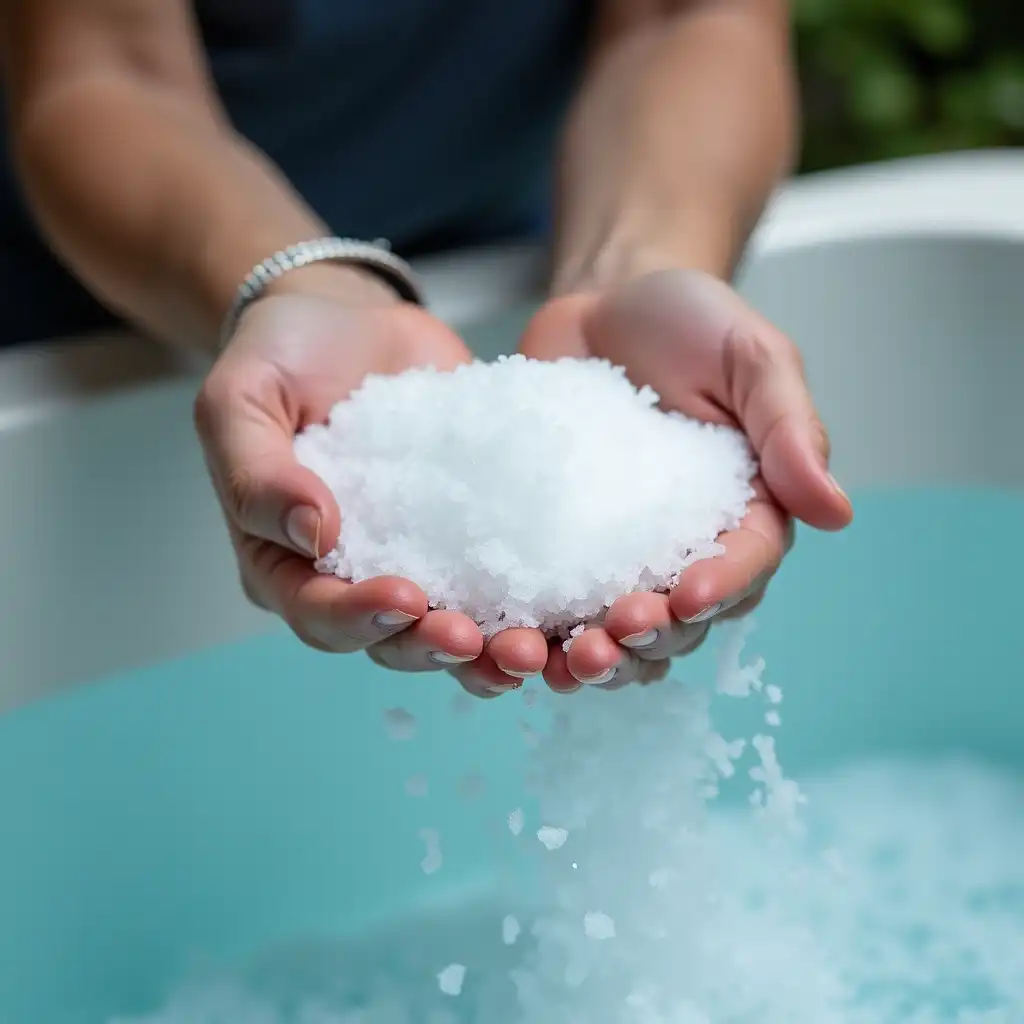
Can You Put Epsom Salt in a Hot Tub

3. Why Hot Tubs and Epsom Salt Are Incompatible

3.1. Hot Tub Water Volume Versus Bathtub Volume

The concentration problem becomes apparent through basic mathematics. A standard residential bathtub holds approximately 80 gallons of water, and typical recommendations suggest adding two cups of Epsom salt for therapeutic effects. This creates a concentration of roughly one ounce of Epsom salt per three gallons of water. After a single 20 to 30 minute soak, you drain the tub completely, sending all dissolved compounds down the drain.

Hot tubs operate under entirely different parameters. A typical residential hot tub contains 400 to 500 gallons of water, requiring 10 to 12 cups (more than five pounds) of Epsom salt to achieve the same therapeutic concentration as a bathtub. More critically, hot tubs retain the same water for three to four months between drain-and-refill cycles. This means dissolved Epsom salt remains in continuous contact with pumps, heaters, jets, filters, and plumbing for thousands of hours rather than minutes. The compound accumulates with each addition, creating increasingly concentrated solutions that accelerate chemical reactions, corrosion processes, and equipment degradation.

3.2. Total Dissolved Solids and the 1500 PPM Threshold

Total Dissolved Solids represents the cumulative measurement of all dissolved substances in water, including minerals from source water, chemicals added for sanitation and balance, contaminants introduced by bathers, and any additives like aromatherapy products. Industry standards from organizations including the Association of Pool & Spa Professionals and manufacturers like FROG Products establish 1500 parts per million as the critical threshold for hot tub water. When TDS exceeds this level, multiple problems emerge simultaneously.

High TDS levels reduce sanitizer effectiveness because dissolved substances interfere with the chemical reactions that kill bacteria and viruses. The water develops a cloudy appearance as light scatters through the dense particle suspension. Foaming increases because dissolved solids reduce water’s surface tension. Equipment components experience accelerated wear as minerals precipitate onto surfaces and moving parts. Perhaps most concerning, elevated TDS makes balancing pH and alkalinity progressively more difficult, creating a frustrating cycle where chemical adjustments become less effective.

Adding 10 to 12 cups of Epsom salt to achieve bathtub-equivalent concentration instantly pushes TDS hundreds of parts per million beyond safe limits. Even smaller amounts, repeated over time, drive TDS inexorably upward. Once water reaches problematic TDS levels, the only solution involves complete drainage and refilling with fresh water—an expensive and time-consuming process that negates any perceived benefit from the Epsom salt addition.

“To maximize therapeutic benefits while avoiding heat-related risks, it’s essential to know how long can you stay in a hot tub based on your individual health profile.”

3.3. The Difference Between Single-Use and Continuous-Use Water Systems

Bathtubs function as single-use disposal systems with no mechanical components exposed to the water except the drain mechanism. You fill the tub, add whatever compounds you choose, soak briefly, and drain everything away. The plumbing carries the water directly to your home’s wastewater system without circulating it through pumps, heaters, or filters.

Hot tubs represent sophisticated continuous-use water systems engineered around precise chemical parameters. Water circulates through pumps multiple times per hour, passes through cartridge filters that trap particles, flows through heating elements that maintain temperature, and jets through multiple nozzles that create therapeutic massage. Every component in this system—from the pumps and heaters to the jets, plumbing lines, gaskets, seals, and control systems—is designed and manufactured to tolerate specific water chemistry conditions. When you introduce compounds like Epsom salt that alter pH, alkalinity, and dissolved solid levels, these components operate outside their design specifications, leading to premature failure.

4. Can I Put Epsom Salt in My Hot Tub? The Water Chemistry Problems

4.1. How Epsom Salt Disrupts pH and Alkalinity Balance

Hot tubs require careful pH balance maintained within the narrow range of 7.2 to 7.8, with 7.4 to 7.6 representing the optimal target. This slightly alkaline range ensures sanitizers work effectively, water feels comfortable on skin and eyes, and equipment components experience minimal chemical stress. Total alkalinity, measured in parts per million, should remain between 80 and 120 ppm to buffer pH fluctuations and provide stability to the water chemistry system.

Magnesium sulfate possesses mildly alkaline properties that push pH upward when dissolved in water. More significantly, it disrupts the carbonate buffering system that maintains stable alkalinity levels. When you add substantial amounts of Epsom salt to hot tub water, pH becomes unstable and difficult to control. You might adjust pH downward using sodium bisulfate, only to find it drifting back up within hours. This instability creates a cascade of related problems throughout your water chemistry.

“To prevent costly repairs and skyrocketing energy bills, familiarize yourself with the red flags we’ve identified in our hot tub brands to avoid article.”

As pH climbs above 7.8, calcium carbonate begins precipitating out of solution, forming scale deposits on surfaces and inside plumbing lines. Sanitizer molecules become less active at elevated pH levels, requiring you to add more chlorine or bromine to maintain the same disinfection effectiveness. The water may develop a cloudy appearance and feel slippery or slimy on skin. Conversely, if pH drops too low during correction attempts, the water becomes corrosive, attacking metal components and etching acrylic surfaces. Maintaining proper alkalinity and pH represents the foundation of hot tub water care, and Epsom salt undermines this foundation.

4.2. Sanitizer Effectiveness and Bacterial Contamination Risks

Chlorine and bromine sanitizers rely on specific chemical reactions to kill bacteria, viruses, and other waterborne pathogens. These reactions occur optimally only within defined pH ranges. When water pH rises above 7.8, the percentage of active hypochlorous acid (the sanitizing form of chlorine) decreases dramatically. At pH 7.5, approximately 50 percent of chlorine exists in the active form. At pH 8.0, this drops to just 22 percent. At pH 8.5, only 10 percent remains active.

“A complete hot tub electrical installation requires specialized knowledge and licensed expertise.”

This reduction in sanitizer effectiveness creates genuine health risks. Hot tubs naturally harbor bacteria introduced by bathers, environmental contaminants, and biofilm formation in plumbing lines. Pseudomonas aeruginosa, the bacterium responsible for hot tub folliculitis commonly known as hot tub rash, proliferates rapidly in inadequately sanitized water. Legionella bacteria, which cause potentially fatal Legionnaires’ disease, thrive in warm water environments with insufficient disinfection. The Centers for Disease Control and Prevention documents numerous outbreaks of recreational water illnesses linked to improperly maintained hot tubs and spas.

When Epsom salt disrupts water chemistry and reduces sanitizer effectiveness, you unknowingly create conditions favorable for bacterial growth. The warm water temperature accelerates bacterial reproduction. The jets and bubbles can aerosolize contaminated water, making inhalation exposure possible. These risks far exceed any potential therapeutic benefit from the dissolved magnesium sulfate.

4.3. The Oily Residue Problem

Many hot tub owners who experiment with Epsom salt report an oily or greasy film developing on the water surface within hours of addition. This residue represents a combination of dissolved magnesium and sulfate ions interacting with body oils, lotions, and other organic compounds in the water. The film migrates into the filtration system, coating filter media and reducing filtration efficiency. Filters must be cleaned far more frequently, and filter cartridges require premature replacement as the accumulated residue becomes impossible to remove completely.

This oily buildup also promotes foam formation in hot tub water. When jets agitate water containing dissolved oils and high TDS levels, foam accumulates on the surface, creating an unappealing appearance and indicating deteriorating water quality. Additionally, the biofilm provides a surface where bacteria can colonize, protected from sanitizer contact. Biofilm in plumbing lines represents one of the most challenging hot tub maintenance problems, often requiring specialized cleaning treatments or complete plumbing system flushing to eliminate.

5. Epsom Salt in Hot Tub: Equipment Damage and Corrosion

5.1. Sulfate-Induced Corrosion of Metal Components

Sulfate ions accelerate corrosion of metal components through electrochemical processes. In hot tub systems, the most expensive and critical metal components include heating elements, pump motor housings, jet fixtures, and metal plumbing connections. Heating elements, typically constructed from Incoloy or stainless steel alloys, represent particularly vulnerable targets because they operate at elevated temperatures that accelerate chemical reactions.

When sulfate concentrations exceed recommended limits, these ions attack the passive oxide layer that protects metal surfaces from corrosion. This initiates pitting corrosion, creating small cavities that propagate inward through the metal. On heating elements, pitting eventually penetrates completely through the element wall, causing leaks that require element replacement at costs ranging from 300 to 600 dollars. Pump motor housings can develop pinhole leaks that allow water to contact electrical components, creating shock hazards and necessitating complete pump replacement costing 400 to 800 dollars.

Materials science research demonstrates that corrosion rates increase exponentially, not linearly, as corrosive substance concentrations rise. Below certain threshold concentrations, corrosion proceeds slowly. Above these thresholds, damage accelerates rapidly. Manufacturer specifications limit sulfate exposure precisely because exceeding safe levels triggers this accelerated corrosion regime.

5.2. Scale Buildup on Surfaces and Plumbing

Scale formation occurs when dissolved minerals precipitate out of solution, typically due to elevated pH, temperature changes, or evaporation. In hot tub environments, scale appears as hard, chalky white or gray deposits on acrylic surfaces, inside plumbing lines, on jet faces, and most problematically, on heating elements. The presence of magnesium from Epsom salt increases scale formation propensity because magnesium carbonate and magnesium hydroxide readily precipitate when pH rises.

Scale acts as an insulator, reducing heat transfer efficiency from heating elements to water. Research indicates that just one-eighth inch of scale buildup reduces heater efficiency by 20 to 40 percent, forcing the heating element to work harder and consume more electricity to maintain target temperature. Thicker scale layers cause the element to overheat because heat cannot dissipate into the surrounding water effectively. This overheating eventually destroys the element, requiring replacement.

Inside plumbing lines, scale accumulation restricts water flow, reducing jet pressure and forcing pumps to work harder to maintain circulation. Severe scale buildup can completely block smaller diameter lines, requiring professional plumbing system cleaning or replacement. Once established, scale proves difficult to remove without aggressive chemical treatments that may damage equipment components.

5.3. Damage to Gaskets, Seals, and Acrylic Surfaces

Hot tub plumbing systems incorporate dozens of rubber gaskets and seals at pump connections, heater unions, jet assemblies, and valve bodies. These rubber components are formulated to resist degradation from standard hot tub chemicals including chlorine, bromine, and pH adjusters within specified concentration ranges. However, exposure to compounds outside approved parameters, including high concentrations of sulfates and magnesium, accelerates chemical degradation of rubber materials.

As gaskets and seals degrade, they lose elasticity and develop cracks or compression set, where the rubber no longer rebounds to its original shape after compression. These compromised seals begin leaking, initially as minor drips that worsen progressively. Pump seal failure represents one of the most common consequences, requiring pump disassembly and seal replacement. In severe cases, entire pump assemblies require replacement.

Epsom salt’s abrasive nature when crystallized can scratch acrylic shell surfaces, creating microscopic imperfections in the smooth gel coat finish. These imperfections trap bacteria and organic matter, becoming progressively more difficult to clean. Over time, the shell may develop a dull, rough texture that feels unpleasant and looks unattractive. Most critically, damage from unauthorized chemical additives falls explicitly outside manufacturer warranty coverage, making all repairs entirely out-of-pocket expenses.

6. Can You Use Epsom Salt in a Hot Tub? Warranty and Cost Implications

Nearly every major hot tub manufacturer includes specific warranty language prohibiting the use of unauthorized chemical additives. Jacuzzi, Hot Spring Spas, Sundance, Bullfrog Spas, and Master Spas all explicitly state that introducing compounds not approved for hot tub use constitutes breach of warranty terms. Service technicians can often identify unauthorized additive use through water testing, visual inspection of components for unusual corrosion patterns, or scale composition analysis.

A voided warranty transforms from a theoretical concern to a devastating financial reality when major component failures occur. Replacing a corroded heating element costs 300 to 600 dollars in parts plus 100 to 200 dollars in labor. A failed pump motor runs 400 to 800 dollars for the replacement unit plus installation labor. If sulfate corrosion damages multiple components simultaneously—heater, pump, control system circuit board—repair costs easily exceed 1500 to 2500 dollars. Complete plumbing system overhauls necessitated by severe scale buildup can reach 1000 to 2000 dollars. In extreme cases where the shell or structural components sustain damage, hot tub replacement becomes necessary at costs ranging from 3000 to 15000 dollars or more.

Compare these potential expenses to the cost of spa-safe alternatives. Quality aromatherapy crystals cost 15 to 25 dollars per container, providing months of therapeutic soaking. Liquid spa aromatherapy products range from 10 to 20 dollars per bottle with similar longevity. Even assuming monthly purchases, annual costs reach only 120 to 300 dollars—a fraction of a single major repair. The financial calculation makes the choice clear: investing modest amounts in approved products protects your substantial investment in the hot tub itself.

7. Hot Tub With Epsom Salt: Safe Alternatives That Actually Work

7.1. Spa Aromatherapy Crystals

Spa aromatherapy crystals represent the closest legitimate alternative to Epsom salt for hot tub use. These products contain magnesium sulfate as a base ingredient but in precisely controlled concentrations, blended with additional compounds that stabilize water chemistry. Formulation scientists design these crystals to provide therapeutic benefits and pleasant aromas while maintaining pH neutrality and avoiding significant TDS increases.

Popular brands including Spazazz, InSPAration, and manufacturer-specific options like Jacuzzi Hot Tub Scents have undergone extensive testing to ensure compatibility with hot tub systems. Typical usage involves adding one to two tablespoons per soaking session, a dramatically smaller amount than would be required if using pure Epsom salt. These crystals dissolve cleanly without leaving oily residues, won’t clog filters, and remain compatible with all sanitizer systems including chlorine, bromine, and saltwater generators.

Available scent profiles target specific therapeutic goals. Lavender varieties promote relaxation and may improve sleep quality. Eucalyptus and menthol blends support respiratory comfort, particularly beneficial during cold and flu season. Vanilla and chamomile combinations reduce stress and anxiety. Citrus scents like lemon and grapefruit provide energizing, mood-lifting experiences. Unlike essential oils, which should never be added directly to hot tubs, these formulations disperse evenly in water without separating or creating slippery surfaces.

7.2. Liquid Spa Aromatherapy

Liquid aromatherapy products offer another safe alternative, delivering concentrated fragrance and therapeutic compounds in water-soluble formulas. InSPAration Liquid Pearl exemplifies this category, with fragrances designed specifically to mask chlorine odors while moisturizing skin through vitamin-enriched formulations. These products contain no oils, meaning they won’t clog filters, create surface films, or disrupt water chemistry.

Application requires adding only one to two capfuls per soaking session, making bottles last for months of regular use. The liquid format disperses instantly and completely in water, providing immediate aromatic benefits without waiting for crystals to dissolve. Moisturizing ingredients help prevent the dry, tight skin feeling some people experience after chlorinated hot tub soaking.

Quality liquid aromatherapy products undergo compatibility testing with various sanitizer systems and filter materials. They maintain stable chemistry across hot tub temperature ranges and won’t degrade rubber gaskets or seals. Many formulations include natural plant extracts that provide legitimate therapeutic benefits beyond simple fragrance, such as aloe vera for skin soothing or green tea extract for antioxidant properties.

7.3. Hot Tub Bath Bombs and Spa Beads

The hot tub industry has developed specialized bath bombs and spa beads engineered specifically for spa use, addressing the legitimate concern that traditional bath bombs contain oils, colorants, and ingredients incompatible with hot tub systems. Spa-specific bombs dissolve cleanly without clogging filters or introducing oils that disrupt water chemistry. They provide effervescent release of fragrance and moisturizing ingredients formulated to remain suspended in water rather than floating as oily films.

Spa beads represent an innovative alternative that provides slow-release fragrance over multiple soaking sessions. These small polymer spheres contain encapsulated aromatic compounds that release gradually with water contact and agitation. A single dose of spa beads can perfume several soaks before fragrance exhaustion, offering excellent value and consistent experience.

When selecting bath bombs or beads, verify explicit labeling indicating hot tub or spa compatibility. Avoid products marketed solely for bathtubs, as these almost certainly contain oils or dyes that will cause problems. Reputable manufacturers include detailed usage instructions and compatibility statements on packaging. Follow dosage recommendations carefully, as overuse even of compatible products can contribute to TDS accumulation over time.

8. Epsom Salt Hot Tub: If You Must Try It, Do This

Some hot tub owners will experiment with Epsom salt despite manufacturer warnings and expert recommendations. For those individuals determined to try this approach, implementing harm-reduction protocols becomes critical. Understanding that following these steps still carries risks and voids warranties, here are procedures to minimize potential damage:

  1. Use only pharmaceutical-grade Epsom salt without any additives, fragrances, dyes, or moisturizers. Check ingredient labels to confirm 100 percent magnesium sulfate content.
  2. Add minimal amounts limited to one-quarter cup maximum for a 400-gallon hot tub. This represents roughly four percent of the concentration used in bathtubs.
  3. Plan to drain immediately within 24 hours of Epsom salt addition. Do not attempt to maintain water with dissolved Epsom salt for extended periods.
  4. Perform thorough cleaning of all accessible surfaces, jets, and plumbing lines before refilling. Scrub the shell with appropriate cleaners to remove any residue.
  5. Replace or deep-clean the filter using filter cleaning solution to remove accumulated sulfates and prevent contamination of fresh water.
  6. Test water chemistry rigorously before adding Epsom salt to establish baseline parameters, and test multiple times after addition to document changes.
  7. Understand you’re voiding your warranty and accepting full financial responsibility for any resulting damage, regardless of severity.

This approach acknowledges personal choice while emphasizing responsibility and awareness of consequences. Anecdotal reports from hot tub forums consistently describe problems including persistent cloudiness, difficulty maintaining pH balance, equipment noises indicating pump strain, and premature filter replacement needs even with single-use experimentation.

9. Maintaining Optimal Hot Tub Water Chemistry

9.1. The Critical Parameters Every Owner Must Monitor

Successful hot tub ownership requires understanding and monitoring six critical water chemistry parameters. Each parameter interconnects with others, creating a complex system where changes to one element affect multiple others. The following table presents industry-standard target ranges and recommended testing frequencies:

ParameterIdeal RangeTest Frequency
pH7.2-7.82-3 times weekly
Total Alkalinity80-120 ppmWeekly
Calcium Hardness150-250 ppmMonthly
Total Dissolved SolidsBelow 1500 ppmMonthly
Sanitizer (Chlorine)3-5 ppm2-3 times weekly
Sanitizer (Bromine)3-5 ppm2-3 times weekly

pH measures water’s acidity or alkalinity on a logarithmic scale where each unit represents a tenfold concentration change. The 7.2 to 7.8 range ensures sanitizer effectiveness, bather comfort, and equipment protection. Total alkalinity functions as a pH buffer, resisting rapid changes and providing stability. Calcium hardness prevents corrosive conditions from soft water while avoiding scale formation from excessive hardness. TDS represents cumulative dissolved material that gradually increases until water replacement becomes necessary. Sanitizer levels must remain sufficient to kill pathogens while avoiding eye and skin irritation from excessive concentrations.

9.2. Testing Methods and Adjustment Procedures

Two primary testing methods serve hot tub owners: test strips and liquid reagent test kits. Test strips offer convenience, providing results within seconds by dipping the strip in water and comparing color changes to a reference chart. However, strips sacrifice accuracy for convenience and can produce misleading results if expired, contaminated with moisture, or read in poor lighting conditions.

Liquid test kits deliver superior accuracy through drop-count titration. These kits include reagent bottles and testing vials with measurement markings. You fill the vial with hot tub water, add reagent drops while counting, and observe color changes that indicate parameter levels. While liquid tests require more time and attention than strips, the improved accuracy justifies the extra effort, particularly when troubleshooting water chemistry problems.

When adjusting parameters, always follow the sequence of alkalinity first, then pH, then calcium hardness, and finally sanitizer levels. Total alkalinity acts as the foundation of water chemistry by buffering pH, so establishing correct alkalinity before adjusting pH prevents frustrating cycles of overcorrection. Use sodium bisulfate or dry acid to reduce pH and alkalinity. Add sodium bicarbonate to increase alkalinity. Calcium chloride raises calcium hardness when source water provides insufficient minerals. After any chemical additions, allow circulation for at least four hours before retesting to ensure complete mixing and reaction.

9.3. When to Drain and Refill Your Hot Tub

Regular drain-and-refill cycles remove accumulated dissolved solids that testing and chemical adjustment cannot eliminate. The industry-standard guideline calculates drain frequency using the formula: hot tub gallons divided by number of daily users divided by three equals days between drains. For example, a 400-gallon hot tub used by two people daily requires draining every 67 days, approximately every two months.

Alternatively, manufacturers often recommend drain-and-refill every three to four months for typical residential use. Certain conditions mandate immediate draining regardless of schedule. Water that remains cloudy despite proper chemistry and filtration indicates excessive TDS or contamination. Persistent foaming that doesn’t respond to anti-foam products signals water exhaustion. Difficulty maintaining balanced chemistry parameters, where adjustments provide only temporary improvement before parameters drift back out of range, demonstrates that water has exceeded its useful life.

Before draining, power off the hot tub completely and close the main disconnect. Use a submersible pump or the drain valve to remove water, directing flow away from building foundations. While empty, thoroughly clean the shell using appropriate acrylic cleaners, scrub jets and pillow areas, and inspect components for wear or damage. Replace the filter or soak it in filter cleaner solution before refilling. When refilling, fill directly through the filter compartment if possible to prevent air lock in plumbing lines.

10. The Science Behind Therapeutic Soaking

10.1. How Hydrotherapy Actually Works

Hydrotherapy delivers therapeutic benefits through four distinct physiological mechanisms validated by medical research. Heat causes vasodilation, the widening of blood vessels, which increases blood flow to tissues. This enhanced circulation delivers more oxygen and nutrients to muscles while removing metabolic waste products like lactic acid that contribute to soreness and fatigue. Studies published by the American Physical Therapy Association document measurable improvements in tissue oxygenation during heat therapy.

Buoyancy reduces gravitational stress on joints, spine, and weight-bearing structures. When immersed to neck level in water, the body experiences approximately 90 percent weight reduction. This unweighting allows relaxation of supporting musculature and provides relief for conditions like arthritis, herniated discs, and chronic pain syndromes. Physical therapists routinely incorporate aquatic therapy for rehabilitation because buoyancy enables exercises impossible on land.

Hydrostatic pressure gently compresses tissues, promoting venous return and reducing peripheral edema. This compression resembles therapeutic compression garments but provides more even, graduated pressure. Research demonstrates reduced joint swelling and improved circulatory efficiency from hydrostatic pressure exposure.

Jet massage stimulates mechanoreceptors in skin and superficial tissues, potentially modulating pain signal transmission through gate control mechanisms. The rhythmic pressure from jets may also promote muscle relaxation through repetitive motion effects. These combined mechanisms explain why hot tub soaking reliably produces relaxation and pain relief regardless of what substances dissolve in the water.

10.2. Does Magnesium Really Absorb Through Skin?

Magnesium plays essential roles in over 300 enzymatic reactions throughout the human body, including muscle contraction and relaxation, nerve signal transmission, protein synthesis, and blood glucose control. Magnesium deficiency contributes to muscle cramps, fatigue, irregular heartbeat, and other symptoms. Given these important functions, proponents of Epsom salt baths claim that magnesium absorbs through skin during soaking, raising body magnesium levels and producing therapeutic effects.

Scientific evidence for clinically significant transdermal magnesium absorption through bathing remains limited and controversial. While some small studies detect modest increases in magnesium levels after prolonged Epsom salt bath exposure, the clinical relevance of these changes remains unclear. The skin’s outer layer, the stratum corneum, functions specifically as a barrier preventing penetration of water-soluble compounds. While some very small molecules can traverse this barrier, magnesium ions carry an electrical charge that further impedes penetration.

A systematic review of available evidence published in medical literature concludes that while trace amounts of magnesium might penetrate the stratum corneum, achieving therapeutic blood levels through bathing appears unlikely. For individuals with genuine magnesium deficiency, oral supplementation provides a more reliable and effective approach. Anyone considering magnesium supplementation should consult with healthcare providers to determine appropriate dosing based on individual needs and medical history.

This analysis suggests that the relaxation people experience in Epsom salt baths likely stems primarily from the heat and buoyancy effects rather than magnesium absorption. Hot tub soaking provides these same hydrotherapeutic benefits regardless of whether Epsom salt or spa-safe aromatherapy products enhance the water.

Conclusion

While Epsom salt offers legitimate benefits in traditional bathtubs and serves important medical purposes when properly prescribed, it poses unacceptable risks to hot tub equipment and water chemistry. The accumulated evidence from hot tub manufacturers, water chemistry experts, and thousands of owner experiences demonstrates conclusively that potential equipment damage, warranty voiding, and health hazards outweigh any perceived therapeutic benefits. The fundamental incompatibility stems from differences between single-use bathtub systems and complex continuous-circulation hot tub systems engineered for specific chemical parameters.

Hot tub owners need not sacrifice relaxation or muscle relief by avoiding Epsom salt. The spa industry has developed numerous safe alternatives including aromatherapy crystals, liquid fragrance products, and specialized bath bombs that provide similar therapeutic experiences without threatening your investment. These approved products cost 15 to 30 dollars monthly, a trivial expense compared to the thousands of dollars required to repair or replace equipment damaged by unauthorized additives.

By following manufacturer guidelines, maintaining proper water chemistry through regular testing and adjustment, and investing in spa-safe enhancement products, you can enjoy years of safe, effective therapeutic soaking. Your hot tub represents a significant investment in health, wellness, and quality of life. Protecting that investment through informed decisions ensures maximum enjoyment and value. Choose spa-safe alternatives, test water regularly, prioritize long-term equipment health over short-term experimentation, and your hot tub will provide reliable relaxation for decades to come.

FAQ Section

Can you put Epsom salt in a hot tub just once without causing damage?

While a single use with a small amount (one-quarter cup or less) followed by immediate draining might not cause catastrophic failure, it still disrupts water chemistry, adds to TDS levels, and likely voids your warranty. Even one-time use introduces sulfates and magnesium that can begin corrosive processes. The safer approach is using spa-approved aromatherapy products designed specifically for hot tub systems.

What’s the difference between Epsom salt and spa-safe aromatherapy crystals?

Spa aromatherapy crystals use magnesium sulfate as a base but in precisely controlled concentrations with additional compounds that maintain water chemistry balance. They’re pH-neutral, contain minimal sulfates to prevent corrosion, and dissolve cleanly without leaving oily residues. Regular Epsom salt lacks these formulation refinements and overwhelms hot tub water chemistry at therapeutic concentrations.

Will using Epsom salt void my hot tub warranty?

Yes, virtually all major hot tub manufacturers explicitly prohibit unauthorized chemical additives in their warranty terms. Using Epsom salt constitutes breach of these terms, potentially voiding coverage for damaged components including heaters, pumps, jets, and plumbing systems. Warranty replacement of these parts can save thousands of dollars, making adherence to manufacturer guidelines financially prudent.

Can I use Epsom salt in an inflatable hot tub?

Inflatable hot tubs face the same water chemistry requirements as permanent spas. Epsom salt will still disrupt pH and alkalinity, reduce sanitizer effectiveness, increase TDS levels, and potentially damage pumps and heaters. Additionally, sulfates may degrade vinyl materials in inflatable tubs faster than acrylic in hard-shell spas. Use spa-safe alternatives instead.

How often should I test my hot tub water chemistry?

Test pH and sanitizer levels two to three times weekly, especially before heavy use. Check total alkalinity weekly, calcium hardness monthly, and TDS monthly. After adding any chemicals or aromatherapy products, retest after 12 to 24 hours to ensure parameters remain within ideal ranges. More frequent testing helps catch imbalances early, preventing water quality problems and equipment damage.

What should I do if I already added Epsom salt to my hot tub?

Drain the hot tub completely as soon as possible. Before refilling, thoroughly clean all surfaces, scrub jets and plumbing lines if accessible, and replace the filter or soak it in filter cleaner solution. Refill with fresh water, balance chemistry parameters, and test water multiple times over the next week to ensure stability. Consider having a professional inspect the heater and pump for early signs of corrosion or scale buildup.

Are Dead Sea salts or Himalayan salts safe for hot tubs?

No, despite marketing claims, these specialty salts present the same problems as Epsom salt—they increase TDS, alter water chemistry, introduce corrosive compounds, and risk equipment damage. Only use products explicitly labeled as hot tub-safe or spa-safe. When in doubt, consult your hot tub manufacturer or an authorized dealer before adding anything to your water.

Resources

  1. National Institutes of Health – National Center for Biotechnology Information: Studies on magnesium sulfate pharmacology, therapeutic applications, and transdermal absorption research
  2. Centers for Disease Control and Prevention: Recreational water guidelines, sanitization standards, and waterborne illness prevention protocols
  3. Association of Pool & Spa Professionals: Industry standards for water chemistry, maintenance protocols, and equipment specifications
  4. Environmental Protection Agency: Water quality standards, chemical safety guidelines, and public health recommendations
  5. American Physical Therapy Association: Research on hydrotherapy benefits, therapeutic mechanisms, and clinical applications
  6. FROG Products: Hot tub water balance technical documentation, sanitizer system specifications, and water quality maintenance guidelines
  7. StatPearls Publishing (NIH Resource): Medical reference materials on magnesium sulfate uses, pharmacology, and therapeutic effects
  8. Hot Spring Spas (manufacturer documentation): Warranty terms, approved water care products, and chemical compatibility specifications
  9. Jacuzzi (manufacturer documentation): Equipment specifications, warranty guidelines, and authorized chemical additive lists
  10. Peer-reviewed water chemistry research: Studies on Total Dissolved Solids impacts, sanitizer effectiveness at various pH levels, and corrosion mechanisms in aquatic systems

Can you put Epsom salt in a hot tub? This question surfaces frequently among hot tub owners seeking to enhance their therapeutic soaking experience with the same muscle-relaxing benefits they enjoy in their bathtubs. After all, Epsom salt has earned a stellar reputation for easing sore muscles, reducing stress, and promoting relaxation when added to bath water. However, what works perfectly in a bathtub can spell disaster for your hot tub investment.

This comprehensive guide explores the chemical composition of Epsom salt, why it poses serious risks to hot tub systems, how it disrupts critical water chemistry parameters, and most importantly, the spa-safe alternatives that deliver similar therapeutic benefits without jeopardizing your equipment. We’ll reference manufacturer guidelines from industry leaders like Jacuzzi and Hot Spring Spas, water chemistry standards from the Association of Pool & Spa Professionals, and scientific research from authoritative sources including the National Institutes of Health. Whether you’re a new hot tub owner or an experienced enthusiast, understanding these distinctions will save you thousands of dollars in repairs and ensure years of safe, enjoyable soaking.

1. Understanding What Epsom Salt Actually Is

1.1. The Chemical Composition of Magnesium Sulfate

Epsom salt is the common name for magnesium sulfate, a chemical compound with the molecular formula MgSO4. This crystalline substance breaks down into three primary components: magnesium, sulfur, and oxygen. Despite sharing the word “salt” in its name, Epsom salt differs fundamentally from table salt, which is sodium chloride. The compound earned its name from the town of Epsom in Surrey, England, where it was first discovered in natural spring waters during the 17th century.

Chemically speaking, magnesium sulfate exists as a heptahydrate in its most common form, meaning each molecule bonds with seven water molecules. This hygroscopic property allows it to absorb moisture from the air and dissolve readily in water. When dissolved, it dissociates into magnesium ions and sulfate ions, both of which interact with other substances in the water. In medical and agricultural contexts, this compound serves legitimate purposes, from treating eclampsia in pregnant women to enriching magnesium-deficient soil for plant growth.

“When pH drops below 7.2, learn how to raise pH in hot tub water safely without overshooting the ideal range.”

1.2. Common Uses and Therapeutic Claims

Epsom salt enjoys FDA approval for specific medical applications, particularly as an oral laxative for treating constipation and as a soaking agent for minor skin inflammations. Healthcare providers also administer intravenous magnesium sulfate to treat serious conditions including eclampsia, preeclampsia, and certain cardiac arrhythmias. These represent scientifically validated uses backed by clinical research and documented in medical literature from sources like the National Center for Biotechnology Information.

Beyond these established medical applications, Epsom salt baths have gained widespread popularity for perceived benefits including muscle relaxation, stress reduction, improved sleep quality, and relief from conditions like arthritis and fibromyalgia. Many people report feeling significant relief after soaking in Epsom salt baths, attributing these effects to magnesium absorption through the skin. However, high-quality scientific evidence supporting transdermal magnesium absorption during bathing remains limited and contested within the medical community. While some small studies suggest minimal penetration through the skin’s outer layer, the clinical significance and therapeutic impact of this absorption continue to be debated in peer-reviewed research. This distinction between anecdotal experience and scientific validation becomes particularly important when considering whether to use Epsom salt in expensive hot tub systems.

2. Can You Put Epsom Salt in Hot Tub Systems?

The definitive answer is no: you should not put Epsom salt in standard hot tubs. This recommendation comes directly from virtually every major hot tub manufacturer, water chemistry expert, and industry professional. While adding a small amount once might not cause immediate catastrophic equipment failure, the cumulative effects of repeated exposure create progressive damage that leads to expensive repairs, voided warranties, and compromised water quality.

The rare exception involves specialty hot tubs specifically engineered to accommodate Epsom salt, such as certain Royal Spa models designed with specialized plumbing materials and enhanced filtration systems. These represent less than one percent of hot tubs in residential use. For the overwhelming majority of hot tub owners with standard acrylic spas from manufacturers like Jacuzzi, Sundance, Bullfrog, Master Spas, or Hot Spring, adding Epsom salt introduces multiple risk factors across three critical areas: water chemistry disruption, equipment corrosion and damage, and warranty invalidation.

Manufacturer warranty documentation explicitly prohibits unauthorized chemical additives, and service technicians report that Epsom salt damage ranks among the most common and preventable causes of expensive hot tub repairs. The risks simply outweigh any potential benefits, especially considering that spa-safe alternatives provide similar therapeutic experiences without threatening your investment.

“Learn how to clear cloudy hot tub water in just 24-48 hours with our proven step-by-step treatment protocol.”

Can You Put Epsom Salt in a Hot Tub

3. Why Hot Tubs and Epsom Salt Are Incompatible

3.1. Hot Tub Water Volume Versus Bathtub Volume

The concentration problem becomes apparent through basic mathematics. A standard residential bathtub holds approximately 80 gallons of water, and typical recommendations suggest adding two cups of Epsom salt for therapeutic effects. This creates a concentration of roughly one ounce of Epsom salt per three gallons of water. After a single 20 to 30 minute soak, you drain the tub completely, sending all dissolved compounds down the drain.

Hot tubs operate under entirely different parameters. A typical residential hot tub contains 400 to 500 gallons of water, requiring 10 to 12 cups (more than five pounds) of Epsom salt to achieve the same therapeutic concentration as a bathtub. More critically, hot tubs retain the same water for three to four months between drain-and-refill cycles. This means dissolved Epsom salt remains in continuous contact with pumps, heaters, jets, filters, and plumbing for thousands of hours rather than minutes. The compound accumulates with each addition, creating increasingly concentrated solutions that accelerate chemical reactions, corrosion processes, and equipment degradation.

3.2. Total Dissolved Solids and the 1500 PPM Threshold

Total Dissolved Solids represents the cumulative measurement of all dissolved substances in water, including minerals from source water, chemicals added for sanitation and balance, contaminants introduced by bathers, and any additives like aromatherapy products. Industry standards from organizations including the Association of Pool & Spa Professionals and manufacturers like FROG Products establish 1500 parts per million as the critical threshold for hot tub water. When TDS exceeds this level, multiple problems emerge simultaneously.

High TDS levels reduce sanitizer effectiveness because dissolved substances interfere with the chemical reactions that kill bacteria and viruses. The water develops a cloudy appearance as light scatters through the dense particle suspension. Foaming increases because dissolved solids reduce water’s surface tension. Equipment components experience accelerated wear as minerals precipitate onto surfaces and moving parts. Perhaps most concerning, elevated TDS makes balancing pH and alkalinity progressively more difficult, creating a frustrating cycle where chemical adjustments become less effective.

Adding 10 to 12 cups of Epsom salt to achieve bathtub-equivalent concentration instantly pushes TDS hundreds of parts per million beyond safe limits. Even smaller amounts, repeated over time, drive TDS inexorably upward. Once water reaches problematic TDS levels, the only solution involves complete drainage and refilling with fresh water—an expensive and time-consuming process that negates any perceived benefit from the Epsom salt addition.

“To maximize therapeutic benefits while avoiding heat-related risks, it’s essential to know how long can you stay in a hot tub based on your individual health profile.”

3.3. The Difference Between Single-Use and Continuous-Use Water Systems

Bathtubs function as single-use disposal systems with no mechanical components exposed to the water except the drain mechanism. You fill the tub, add whatever compounds you choose, soak briefly, and drain everything away. The plumbing carries the water directly to your home’s wastewater system without circulating it through pumps, heaters, or filters.

Hot tubs represent sophisticated continuous-use water systems engineered around precise chemical parameters. Water circulates through pumps multiple times per hour, passes through cartridge filters that trap particles, flows through heating elements that maintain temperature, and jets through multiple nozzles that create therapeutic massage. Every component in this system—from the pumps and heaters to the jets, plumbing lines, gaskets, seals, and control systems—is designed and manufactured to tolerate specific water chemistry conditions. When you introduce compounds like Epsom salt that alter pH, alkalinity, and dissolved solid levels, these components operate outside their design specifications, leading to premature failure.

4. Can I Put Epsom Salt in My Hot Tub? The Water Chemistry Problems

4.1. How Epsom Salt Disrupts pH and Alkalinity Balance

Hot tubs require careful pH balance maintained within the narrow range of 7.2 to 7.8, with 7.4 to 7.6 representing the optimal target. This slightly alkaline range ensures sanitizers work effectively, water feels comfortable on skin and eyes, and equipment components experience minimal chemical stress. Total alkalinity, measured in parts per million, should remain between 80 and 120 ppm to buffer pH fluctuations and provide stability to the water chemistry system.

Magnesium sulfate possesses mildly alkaline properties that push pH upward when dissolved in water. More significantly, it disrupts the carbonate buffering system that maintains stable alkalinity levels. When you add substantial amounts of Epsom salt to hot tub water, pH becomes unstable and difficult to control. You might adjust pH downward using sodium bisulfate, only to find it drifting back up within hours. This instability creates a cascade of related problems throughout your water chemistry.

“To prevent costly repairs and skyrocketing energy bills, familiarize yourself with the red flags we’ve identified in our hot tub brands to avoid article.”

As pH climbs above 7.8, calcium carbonate begins precipitating out of solution, forming scale deposits on surfaces and inside plumbing lines. Sanitizer molecules become less active at elevated pH levels, requiring you to add more chlorine or bromine to maintain the same disinfection effectiveness. The water may develop a cloudy appearance and feel slippery or slimy on skin. Conversely, if pH drops too low during correction attempts, the water becomes corrosive, attacking metal components and etching acrylic surfaces. Maintaining proper alkalinity and pH represents the foundation of hot tub water care, and Epsom salt undermines this foundation.

4.2. Sanitizer Effectiveness and Bacterial Contamination Risks

Chlorine and bromine sanitizers rely on specific chemical reactions to kill bacteria, viruses, and other waterborne pathogens. These reactions occur optimally only within defined pH ranges. When water pH rises above 7.8, the percentage of active hypochlorous acid (the sanitizing form of chlorine) decreases dramatically. At pH 7.5, approximately 50 percent of chlorine exists in the active form. At pH 8.0, this drops to just 22 percent. At pH 8.5, only 10 percent remains active.

“A complete hot tub electrical installation requires specialized knowledge and licensed expertise.”

This reduction in sanitizer effectiveness creates genuine health risks. Hot tubs naturally harbor bacteria introduced by bathers, environmental contaminants, and biofilm formation in plumbing lines. Pseudomonas aeruginosa, the bacterium responsible for hot tub folliculitis commonly known as hot tub rash, proliferates rapidly in inadequately sanitized water. Legionella bacteria, which cause potentially fatal Legionnaires’ disease, thrive in warm water environments with insufficient disinfection. The Centers for Disease Control and Prevention documents numerous outbreaks of recreational water illnesses linked to improperly maintained hot tubs and spas.

When Epsom salt disrupts water chemistry and reduces sanitizer effectiveness, you unknowingly create conditions favorable for bacterial growth. The warm water temperature accelerates bacterial reproduction. The jets and bubbles can aerosolize contaminated water, making inhalation exposure possible. These risks far exceed any potential therapeutic benefit from the dissolved magnesium sulfate.

4.3. The Oily Residue Problem

Many hot tub owners who experiment with Epsom salt report an oily or greasy film developing on the water surface within hours of addition. This residue represents a combination of dissolved magnesium and sulfate ions interacting with body oils, lotions, and other organic compounds in the water. The film migrates into the filtration system, coating filter media and reducing filtration efficiency. Filters must be cleaned far more frequently, and filter cartridges require premature replacement as the accumulated residue becomes impossible to remove completely.

This oily buildup also promotes foam formation in hot tub water. When jets agitate water containing dissolved oils and high TDS levels, foam accumulates on the surface, creating an unappealing appearance and indicating deteriorating water quality. Additionally, the biofilm provides a surface where bacteria can colonize, protected from sanitizer contact. Biofilm in plumbing lines represents one of the most challenging hot tub maintenance problems, often requiring specialized cleaning treatments or complete plumbing system flushing to eliminate.

5. Epsom Salt in Hot Tub: Equipment Damage and Corrosion

5.1. Sulfate-Induced Corrosion of Metal Components

Sulfate ions accelerate corrosion of metal components through electrochemical processes. In hot tub systems, the most expensive and critical metal components include heating elements, pump motor housings, jet fixtures, and metal plumbing connections. Heating elements, typically constructed from Incoloy or stainless steel alloys, represent particularly vulnerable targets because they operate at elevated temperatures that accelerate chemical reactions.

When sulfate concentrations exceed recommended limits, these ions attack the passive oxide layer that protects metal surfaces from corrosion. This initiates pitting corrosion, creating small cavities that propagate inward through the metal. On heating elements, pitting eventually penetrates completely through the element wall, causing leaks that require element replacement at costs ranging from 300 to 600 dollars. Pump motor housings can develop pinhole leaks that allow water to contact electrical components, creating shock hazards and necessitating complete pump replacement costing 400 to 800 dollars.

Materials science research demonstrates that corrosion rates increase exponentially, not linearly, as corrosive substance concentrations rise. Below certain threshold concentrations, corrosion proceeds slowly. Above these thresholds, damage accelerates rapidly. Manufacturer specifications limit sulfate exposure precisely because exceeding safe levels triggers this accelerated corrosion regime.

5.2. Scale Buildup on Surfaces and Plumbing

Scale formation occurs when dissolved minerals precipitate out of solution, typically due to elevated pH, temperature changes, or evaporation. In hot tub environments, scale appears as hard, chalky white or gray deposits on acrylic surfaces, inside plumbing lines, on jet faces, and most problematically, on heating elements. The presence of magnesium from Epsom salt increases scale formation propensity because magnesium carbonate and magnesium hydroxide readily precipitate when pH rises.

Scale acts as an insulator, reducing heat transfer efficiency from heating elements to water. Research indicates that just one-eighth inch of scale buildup reduces heater efficiency by 20 to 40 percent, forcing the heating element to work harder and consume more electricity to maintain target temperature. Thicker scale layers cause the element to overheat because heat cannot dissipate into the surrounding water effectively. This overheating eventually destroys the element, requiring replacement.

Inside plumbing lines, scale accumulation restricts water flow, reducing jet pressure and forcing pumps to work harder to maintain circulation. Severe scale buildup can completely block smaller diameter lines, requiring professional plumbing system cleaning or replacement. Once established, scale proves difficult to remove without aggressive chemical treatments that may damage equipment components.

5.3. Damage to Gaskets, Seals, and Acrylic Surfaces

Hot tub plumbing systems incorporate dozens of rubber gaskets and seals at pump connections, heater unions, jet assemblies, and valve bodies. These rubber components are formulated to resist degradation from standard hot tub chemicals including chlorine, bromine, and pH adjusters within specified concentration ranges. However, exposure to compounds outside approved parameters, including high concentrations of sulfates and magnesium, accelerates chemical degradation of rubber materials.

As gaskets and seals degrade, they lose elasticity and develop cracks or compression set, where the rubber no longer rebounds to its original shape after compression. These compromised seals begin leaking, initially as minor drips that worsen progressively. Pump seal failure represents one of the most common consequences, requiring pump disassembly and seal replacement. In severe cases, entire pump assemblies require replacement.

Epsom salt’s abrasive nature when crystallized can scratch acrylic shell surfaces, creating microscopic imperfections in the smooth gel coat finish. These imperfections trap bacteria and organic matter, becoming progressively more difficult to clean. Over time, the shell may develop a dull, rough texture that feels unpleasant and looks unattractive. Most critically, damage from unauthorized chemical additives falls explicitly outside manufacturer warranty coverage, making all repairs entirely out-of-pocket expenses.

6. Can You Use Epsom Salt in a Hot Tub? Warranty and Cost Implications

Nearly every major hot tub manufacturer includes specific warranty language prohibiting the use of unauthorized chemical additives. Jacuzzi, Hot Spring Spas, Sundance, Bullfrog Spas, and Master Spas all explicitly state that introducing compounds not approved for hot tub use constitutes breach of warranty terms. Service technicians can often identify unauthorized additive use through water testing, visual inspection of components for unusual corrosion patterns, or scale composition analysis.

A voided warranty transforms from a theoretical concern to a devastating financial reality when major component failures occur. Replacing a corroded heating element costs 300 to 600 dollars in parts plus 100 to 200 dollars in labor. A failed pump motor runs 400 to 800 dollars for the replacement unit plus installation labor. If sulfate corrosion damages multiple components simultaneously—heater, pump, control system circuit board—repair costs easily exceed 1500 to 2500 dollars. Complete plumbing system overhauls necessitated by severe scale buildup can reach 1000 to 2000 dollars. In extreme cases where the shell or structural components sustain damage, hot tub replacement becomes necessary at costs ranging from 3000 to 15000 dollars or more.

Compare these potential expenses to the cost of spa-safe alternatives. Quality aromatherapy crystals cost 15 to 25 dollars per container, providing months of therapeutic soaking. Liquid spa aromatherapy products range from 10 to 20 dollars per bottle with similar longevity. Even assuming monthly purchases, annual costs reach only 120 to 300 dollars—a fraction of a single major repair. The financial calculation makes the choice clear: investing modest amounts in approved products protects your substantial investment in the hot tub itself.

7. Hot Tub With Epsom Salt: Safe Alternatives That Actually Work

7.1. Spa Aromatherapy Crystals

Spa aromatherapy crystals represent the closest legitimate alternative to Epsom salt for hot tub use. These products contain magnesium sulfate as a base ingredient but in precisely controlled concentrations, blended with additional compounds that stabilize water chemistry. Formulation scientists design these crystals to provide therapeutic benefits and pleasant aromas while maintaining pH neutrality and avoiding significant TDS increases.

Popular brands including Spazazz, InSPAration, and manufacturer-specific options like Jacuzzi Hot Tub Scents have undergone extensive testing to ensure compatibility with hot tub systems. Typical usage involves adding one to two tablespoons per soaking session, a dramatically smaller amount than would be required if using pure Epsom salt. These crystals dissolve cleanly without leaving oily residues, won’t clog filters, and remain compatible with all sanitizer systems including chlorine, bromine, and saltwater generators.

Available scent profiles target specific therapeutic goals. Lavender varieties promote relaxation and may improve sleep quality. Eucalyptus and menthol blends support respiratory comfort, particularly beneficial during cold and flu season. Vanilla and chamomile combinations reduce stress and anxiety. Citrus scents like lemon and grapefruit provide energizing, mood-lifting experiences. Unlike essential oils, which should never be added directly to hot tubs, these formulations disperse evenly in water without separating or creating slippery surfaces.

7.2. Liquid Spa Aromatherapy

Liquid aromatherapy products offer another safe alternative, delivering concentrated fragrance and therapeutic compounds in water-soluble formulas. InSPAration Liquid Pearl exemplifies this category, with fragrances designed specifically to mask chlorine odors while moisturizing skin through vitamin-enriched formulations. These products contain no oils, meaning they won’t clog filters, create surface films, or disrupt water chemistry.

Application requires adding only one to two capfuls per soaking session, making bottles last for months of regular use. The liquid format disperses instantly and completely in water, providing immediate aromatic benefits without waiting for crystals to dissolve. Moisturizing ingredients help prevent the dry, tight skin feeling some people experience after chlorinated hot tub soaking.

Quality liquid aromatherapy products undergo compatibility testing with various sanitizer systems and filter materials. They maintain stable chemistry across hot tub temperature ranges and won’t degrade rubber gaskets or seals. Many formulations include natural plant extracts that provide legitimate therapeutic benefits beyond simple fragrance, such as aloe vera for skin soothing or green tea extract for antioxidant properties.

7.3. Hot Tub Bath Bombs and Spa Beads

The hot tub industry has developed specialized bath bombs and spa beads engineered specifically for spa use, addressing the legitimate concern that traditional bath bombs contain oils, colorants, and ingredients incompatible with hot tub systems. Spa-specific bombs dissolve cleanly without clogging filters or introducing oils that disrupt water chemistry. They provide effervescent release of fragrance and moisturizing ingredients formulated to remain suspended in water rather than floating as oily films.

Spa beads represent an innovative alternative that provides slow-release fragrance over multiple soaking sessions. These small polymer spheres contain encapsulated aromatic compounds that release gradually with water contact and agitation. A single dose of spa beads can perfume several soaks before fragrance exhaustion, offering excellent value and consistent experience.

When selecting bath bombs or beads, verify explicit labeling indicating hot tub or spa compatibility. Avoid products marketed solely for bathtubs, as these almost certainly contain oils or dyes that will cause problems. Reputable manufacturers include detailed usage instructions and compatibility statements on packaging. Follow dosage recommendations carefully, as overuse even of compatible products can contribute to TDS accumulation over time.

8. Epsom Salt Hot Tub: If You Must Try It, Do This

Some hot tub owners will experiment with Epsom salt despite manufacturer warnings and expert recommendations. For those individuals determined to try this approach, implementing harm-reduction protocols becomes critical. Understanding that following these steps still carries risks and voids warranties, here are procedures to minimize potential damage:

  1. Use only pharmaceutical-grade Epsom salt without any additives, fragrances, dyes, or moisturizers. Check ingredient labels to confirm 100 percent magnesium sulfate content.
  2. Add minimal amounts limited to one-quarter cup maximum for a 400-gallon hot tub. This represents roughly four percent of the concentration used in bathtubs.
  3. Plan to drain immediately within 24 hours of Epsom salt addition. Do not attempt to maintain water with dissolved Epsom salt for extended periods.
  4. Perform thorough cleaning of all accessible surfaces, jets, and plumbing lines before refilling. Scrub the shell with appropriate cleaners to remove any residue.
  5. Replace or deep-clean the filter using filter cleaning solution to remove accumulated sulfates and prevent contamination of fresh water.
  6. Test water chemistry rigorously before adding Epsom salt to establish baseline parameters, and test multiple times after addition to document changes.
  7. Understand you’re voiding your warranty and accepting full financial responsibility for any resulting damage, regardless of severity.

This approach acknowledges personal choice while emphasizing responsibility and awareness of consequences. Anecdotal reports from hot tub forums consistently describe problems including persistent cloudiness, difficulty maintaining pH balance, equipment noises indicating pump strain, and premature filter replacement needs even with single-use experimentation.

9. Maintaining Optimal Hot Tub Water Chemistry

9.1. The Critical Parameters Every Owner Must Monitor

Successful hot tub ownership requires understanding and monitoring six critical water chemistry parameters. Each parameter interconnects with others, creating a complex system where changes to one element affect multiple others. The following table presents industry-standard target ranges and recommended testing frequencies:

ParameterIdeal RangeTest Frequency
pH7.2-7.82-3 times weekly
Total Alkalinity80-120 ppmWeekly
Calcium Hardness150-250 ppmMonthly
Total Dissolved SolidsBelow 1500 ppmMonthly
Sanitizer (Chlorine)3-5 ppm2-3 times weekly
Sanitizer (Bromine)3-5 ppm2-3 times weekly

pH measures water’s acidity or alkalinity on a logarithmic scale where each unit represents a tenfold concentration change. The 7.2 to 7.8 range ensures sanitizer effectiveness, bather comfort, and equipment protection. Total alkalinity functions as a pH buffer, resisting rapid changes and providing stability. Calcium hardness prevents corrosive conditions from soft water while avoiding scale formation from excessive hardness. TDS represents cumulative dissolved material that gradually increases until water replacement becomes necessary. Sanitizer levels must remain sufficient to kill pathogens while avoiding eye and skin irritation from excessive concentrations.

9.2. Testing Methods and Adjustment Procedures

Two primary testing methods serve hot tub owners: test strips and liquid reagent test kits. Test strips offer convenience, providing results within seconds by dipping the strip in water and comparing color changes to a reference chart. However, strips sacrifice accuracy for convenience and can produce misleading results if expired, contaminated with moisture, or read in poor lighting conditions.

Liquid test kits deliver superior accuracy through drop-count titration. These kits include reagent bottles and testing vials with measurement markings. You fill the vial with hot tub water, add reagent drops while counting, and observe color changes that indicate parameter levels. While liquid tests require more time and attention than strips, the improved accuracy justifies the extra effort, particularly when troubleshooting water chemistry problems.

When adjusting parameters, always follow the sequence of alkalinity first, then pH, then calcium hardness, and finally sanitizer levels. Total alkalinity acts as the foundation of water chemistry by buffering pH, so establishing correct alkalinity before adjusting pH prevents frustrating cycles of overcorrection. Use sodium bisulfate or dry acid to reduce pH and alkalinity. Add sodium bicarbonate to increase alkalinity. Calcium chloride raises calcium hardness when source water provides insufficient minerals. After any chemical additions, allow circulation for at least four hours before retesting to ensure complete mixing and reaction.

9.3. When to Drain and Refill Your Hot Tub

Regular drain-and-refill cycles remove accumulated dissolved solids that testing and chemical adjustment cannot eliminate. The industry-standard guideline calculates drain frequency using the formula: hot tub gallons divided by number of daily users divided by three equals days between drains. For example, a 400-gallon hot tub used by two people daily requires draining every 67 days, approximately every two months.

Alternatively, manufacturers often recommend drain-and-refill every three to four months for typical residential use. Certain conditions mandate immediate draining regardless of schedule. Water that remains cloudy despite proper chemistry and filtration indicates excessive TDS or contamination. Persistent foaming that doesn’t respond to anti-foam products signals water exhaustion. Difficulty maintaining balanced chemistry parameters, where adjustments provide only temporary improvement before parameters drift back out of range, demonstrates that water has exceeded its useful life.

Before draining, power off the hot tub completely and close the main disconnect. Use a submersible pump or the drain valve to remove water, directing flow away from building foundations. While empty, thoroughly clean the shell using appropriate acrylic cleaners, scrub jets and pillow areas, and inspect components for wear or damage. Replace the filter or soak it in filter cleaner solution before refilling. When refilling, fill directly through the filter compartment if possible to prevent air lock in plumbing lines.

10. The Science Behind Therapeutic Soaking

10.1. How Hydrotherapy Actually Works

Hydrotherapy delivers therapeutic benefits through four distinct physiological mechanisms validated by medical research. Heat causes vasodilation, the widening of blood vessels, which increases blood flow to tissues. This enhanced circulation delivers more oxygen and nutrients to muscles while removing metabolic waste products like lactic acid that contribute to soreness and fatigue. Studies published by the American Physical Therapy Association document measurable improvements in tissue oxygenation during heat therapy.

Buoyancy reduces gravitational stress on joints, spine, and weight-bearing structures. When immersed to neck level in water, the body experiences approximately 90 percent weight reduction. This unweighting allows relaxation of supporting musculature and provides relief for conditions like arthritis, herniated discs, and chronic pain syndromes. Physical therapists routinely incorporate aquatic therapy for rehabilitation because buoyancy enables exercises impossible on land.

Hydrostatic pressure gently compresses tissues, promoting venous return and reducing peripheral edema. This compression resembles therapeutic compression garments but provides more even, graduated pressure. Research demonstrates reduced joint swelling and improved circulatory efficiency from hydrostatic pressure exposure.

Jet massage stimulates mechanoreceptors in skin and superficial tissues, potentially modulating pain signal transmission through gate control mechanisms. The rhythmic pressure from jets may also promote muscle relaxation through repetitive motion effects. These combined mechanisms explain why hot tub soaking reliably produces relaxation and pain relief regardless of what substances dissolve in the water.

10.2. Does Magnesium Really Absorb Through Skin?

Magnesium plays essential roles in over 300 enzymatic reactions throughout the human body, including muscle contraction and relaxation, nerve signal transmission, protein synthesis, and blood glucose control. Magnesium deficiency contributes to muscle cramps, fatigue, irregular heartbeat, and other symptoms. Given these important functions, proponents of Epsom salt baths claim that magnesium absorbs through skin during soaking, raising body magnesium levels and producing therapeutic effects.

Scientific evidence for clinically significant transdermal magnesium absorption through bathing remains limited and controversial. While some small studies detect modest increases in magnesium levels after prolonged Epsom salt bath exposure, the clinical relevance of these changes remains unclear. The skin’s outer layer, the stratum corneum, functions specifically as a barrier preventing penetration of water-soluble compounds. While some very small molecules can traverse this barrier, magnesium ions carry an electrical charge that further impedes penetration.

A systematic review of available evidence published in medical literature concludes that while trace amounts of magnesium might penetrate the stratum corneum, achieving therapeutic blood levels through bathing appears unlikely. For individuals with genuine magnesium deficiency, oral supplementation provides a more reliable and effective approach. Anyone considering magnesium supplementation should consult with healthcare providers to determine appropriate dosing based on individual needs and medical history.

This analysis suggests that the relaxation people experience in Epsom salt baths likely stems primarily from the heat and buoyancy effects rather than magnesium absorption. Hot tub soaking provides these same hydrotherapeutic benefits regardless of whether Epsom salt or spa-safe aromatherapy products enhance the water.

Conclusion

While Epsom salt offers legitimate benefits in traditional bathtubs and serves important medical purposes when properly prescribed, it poses unacceptable risks to hot tub equipment and water chemistry. The accumulated evidence from hot tub manufacturers, water chemistry experts, and thousands of owner experiences demonstrates conclusively that potential equipment damage, warranty voiding, and health hazards outweigh any perceived therapeutic benefits. The fundamental incompatibility stems from differences between single-use bathtub systems and complex continuous-circulation hot tub systems engineered for specific chemical parameters.

Hot tub owners need not sacrifice relaxation or muscle relief by avoiding Epsom salt. The spa industry has developed numerous safe alternatives including aromatherapy crystals, liquid fragrance products, and specialized bath bombs that provide similar therapeutic experiences without threatening your investment. These approved products cost 15 to 30 dollars monthly, a trivial expense compared to the thousands of dollars required to repair or replace equipment damaged by unauthorized additives.

By following manufacturer guidelines, maintaining proper water chemistry through regular testing and adjustment, and investing in spa-safe enhancement products, you can enjoy years of safe, effective therapeutic soaking. Your hot tub represents a significant investment in health, wellness, and quality of life. Protecting that investment through informed decisions ensures maximum enjoyment and value. Choose spa-safe alternatives, test water regularly, prioritize long-term equipment health over short-term experimentation, and your hot tub will provide reliable relaxation for decades to come.

FAQ Section

Can you put Epsom salt in a hot tub just once without causing damage?

While a single use with a small amount (one-quarter cup or less) followed by immediate draining might not cause catastrophic failure, it still disrupts water chemistry, adds to TDS levels, and likely voids your warranty. Even one-time use introduces sulfates and magnesium that can begin corrosive processes. The safer approach is using spa-approved aromatherapy products designed specifically for hot tub systems.

What’s the difference between Epsom salt and spa-safe aromatherapy crystals?

Spa aromatherapy crystals use magnesium sulfate as a base but in precisely controlled concentrations with additional compounds that maintain water chemistry balance. They’re pH-neutral, contain minimal sulfates to prevent corrosion, and dissolve cleanly without leaving oily residues. Regular Epsom salt lacks these formulation refinements and overwhelms hot tub water chemistry at therapeutic concentrations.

Will using Epsom salt void my hot tub warranty?

Yes, virtually all major hot tub manufacturers explicitly prohibit unauthorized chemical additives in their warranty terms. Using Epsom salt constitutes breach of these terms, potentially voiding coverage for damaged components including heaters, pumps, jets, and plumbing systems. Warranty replacement of these parts can save thousands of dollars, making adherence to manufacturer guidelines financially prudent.

Can I use Epsom salt in an inflatable hot tub?

Inflatable hot tubs face the same water chemistry requirements as permanent spas. Epsom salt will still disrupt pH and alkalinity, reduce sanitizer effectiveness, increase TDS levels, and potentially damage pumps and heaters. Additionally, sulfates may degrade vinyl materials in inflatable tubs faster than acrylic in hard-shell spas. Use spa-safe alternatives instead.

How often should I test my hot tub water chemistry?

Test pH and sanitizer levels two to three times weekly, especially before heavy use. Check total alkalinity weekly, calcium hardness monthly, and TDS monthly. After adding any chemicals or aromatherapy products, retest after 12 to 24 hours to ensure parameters remain within ideal ranges. More frequent testing helps catch imbalances early, preventing water quality problems and equipment damage.

What should I do if I already added Epsom salt to my hot tub?

Drain the hot tub completely as soon as possible. Before refilling, thoroughly clean all surfaces, scrub jets and plumbing lines if accessible, and replace the filter or soak it in filter cleaner solution. Refill with fresh water, balance chemistry parameters, and test water multiple times over the next week to ensure stability. Consider having a professional inspect the heater and pump for early signs of corrosion or scale buildup.

Are Dead Sea salts or Himalayan salts safe for hot tubs?

No, despite marketing claims, these specialty salts present the same problems as Epsom salt—they increase TDS, alter water chemistry, introduce corrosive compounds, and risk equipment damage. Only use products explicitly labeled as hot tub-safe or spa-safe. When in doubt, consult your hot tub manufacturer or an authorized dealer before adding anything to your water.

Resources

  1. National Institutes of Health – National Center for Biotechnology Information: Studies on magnesium sulfate pharmacology, therapeutic applications, and transdermal absorption research
  2. Centers for Disease Control and Prevention: Recreational water guidelines, sanitization standards, and waterborne illness prevention protocols
  3. Association of Pool & Spa Professionals: Industry standards for water chemistry, maintenance protocols, and equipment specifications
  4. Environmental Protection Agency: Water quality standards, chemical safety guidelines, and public health recommendations
  5. American Physical Therapy Association: Research on hydrotherapy benefits, therapeutic mechanisms, and clinical applications
  6. FROG Products: Hot tub water balance technical documentation, sanitizer system specifications, and water quality maintenance guidelines
  7. StatPearls Publishing (NIH Resource): Medical reference materials on magnesium sulfate uses, pharmacology, and therapeutic effects
  8. Hot Spring Spas (manufacturer documentation): Warranty terms, approved water care products, and chemical compatibility specifications
  9. Jacuzzi (manufacturer documentation): Equipment specifications, warranty guidelines, and authorized chemical additive lists
  10. Peer-reviewed water chemistry research: Studies on Total Dissolved Solids impacts, sanitizer effectiveness at various pH levels, and corrosion mechanisms in aquatic systems

Can you put Epsom salt in a hot tub? This question surfaces frequently among hot tub owners seeking to enhance their therapeutic soaking experience with the same muscle-relaxing benefits they enjoy in their bathtubs. After all, Epsom salt has earned a stellar reputation for easing sore muscles, reducing stress, and promoting relaxation when added to bath water. However, what works perfectly in a bathtub can spell disaster for your hot tub investment.

This comprehensive guide explores the chemical composition of Epsom salt, why it poses serious risks to hot tub systems, how it disrupts critical water chemistry parameters, and most importantly, the spa-safe alternatives that deliver similar therapeutic benefits without jeopardizing your equipment. We’ll reference manufacturer guidelines from industry leaders like Jacuzzi and Hot Spring Spas, water chemistry standards from the Association of Pool & Spa Professionals, and scientific research from authoritative sources including the National Institutes of Health. Whether you’re a new hot tub owner or an experienced enthusiast, understanding these distinctions will save you thousands of dollars in repairs and ensure years of safe, enjoyable soaking.

1. Understanding What Epsom Salt Actually Is

1.1. The Chemical Composition of Magnesium Sulfate

Epsom salt is the common name for magnesium sulfate, a chemical compound with the molecular formula MgSO4. This crystalline substance breaks down into three primary components: magnesium, sulfur, and oxygen. Despite sharing the word “salt” in its name, Epsom salt differs fundamentally from table salt, which is sodium chloride. The compound earned its name from the town of Epsom in Surrey, England, where it was first discovered in natural spring waters during the 17th century.

Chemically speaking, magnesium sulfate exists as a heptahydrate in its most common form, meaning each molecule bonds with seven water molecules. This hygroscopic property allows it to absorb moisture from the air and dissolve readily in water. When dissolved, it dissociates into magnesium ions and sulfate ions, both of which interact with other substances in the water. In medical and agricultural contexts, this compound serves legitimate purposes, from treating eclampsia in pregnant women to enriching magnesium-deficient soil for plant growth.

“When pH drops below 7.2, learn how to raise pH in hot tub water safely without overshooting the ideal range.”

1.2. Common Uses and Therapeutic Claims

Epsom salt enjoys FDA approval for specific medical applications, particularly as an oral laxative for treating constipation and as a soaking agent for minor skin inflammations. Healthcare providers also administer intravenous magnesium sulfate to treat serious conditions including eclampsia, preeclampsia, and certain cardiac arrhythmias. These represent scientifically validated uses backed by clinical research and documented in medical literature from sources like the National Center for Biotechnology Information.

Beyond these established medical applications, Epsom salt baths have gained widespread popularity for perceived benefits including muscle relaxation, stress reduction, improved sleep quality, and relief from conditions like arthritis and fibromyalgia. Many people report feeling significant relief after soaking in Epsom salt baths, attributing these effects to magnesium absorption through the skin. However, high-quality scientific evidence supporting transdermal magnesium absorption during bathing remains limited and contested within the medical community. While some small studies suggest minimal penetration through the skin’s outer layer, the clinical significance and therapeutic impact of this absorption continue to be debated in peer-reviewed research. This distinction between anecdotal experience and scientific validation becomes particularly important when considering whether to use Epsom salt in expensive hot tub systems.

2. Can You Put Epsom Salt in Hot Tub Systems?

The definitive answer is no: you should not put Epsom salt in standard hot tubs. This recommendation comes directly from virtually every major hot tub manufacturer, water chemistry expert, and industry professional. While adding a small amount once might not cause immediate catastrophic equipment failure, the cumulative effects of repeated exposure create progressive damage that leads to expensive repairs, voided warranties, and compromised water quality.

The rare exception involves specialty hot tubs specifically engineered to accommodate Epsom salt, such as certain Royal Spa models designed with specialized plumbing materials and enhanced filtration systems. These represent less than one percent of hot tubs in residential use. For the overwhelming majority of hot tub owners with standard acrylic spas from manufacturers like Jacuzzi, Sundance, Bullfrog, Master Spas, or Hot Spring, adding Epsom salt introduces multiple risk factors across three critical areas: water chemistry disruption, equipment corrosion and damage, and warranty invalidation.

Manufacturer warranty documentation explicitly prohibits unauthorized chemical additives, and service technicians report that Epsom salt damage ranks among the most common and preventable causes of expensive hot tub repairs. The risks simply outweigh any potential benefits, especially considering that spa-safe alternatives provide similar therapeutic experiences without threatening your investment.

“Learn how to clear cloudy hot tub water in just 24-48 hours with our proven step-by-step treatment protocol.”

Can You Put Epsom Salt in a Hot Tub

3. Why Hot Tubs and Epsom Salt Are Incompatible

3.1. Hot Tub Water Volume Versus Bathtub Volume

The concentration problem becomes apparent through basic mathematics. A standard residential bathtub holds approximately 80 gallons of water, and typical recommendations suggest adding two cups of Epsom salt for therapeutic effects. This creates a concentration of roughly one ounce of Epsom salt per three gallons of water. After a single 20 to 30 minute soak, you drain the tub completely, sending all dissolved compounds down the drain.

Hot tubs operate under entirely different parameters. A typical residential hot tub contains 400 to 500 gallons of water, requiring 10 to 12 cups (more than five pounds) of Epsom salt to achieve the same therapeutic concentration as a bathtub. More critically, hot tubs retain the same water for three to four months between drain-and-refill cycles. This means dissolved Epsom salt remains in continuous contact with pumps, heaters, jets, filters, and plumbing for thousands of hours rather than minutes. The compound accumulates with each addition, creating increasingly concentrated solutions that accelerate chemical reactions, corrosion processes, and equipment degradation.

3.2. Total Dissolved Solids and the 1500 PPM Threshold

Total Dissolved Solids represents the cumulative measurement of all dissolved substances in water, including minerals from source water, chemicals added for sanitation and balance, contaminants introduced by bathers, and any additives like aromatherapy products. Industry standards from organizations including the Association of Pool & Spa Professionals and manufacturers like FROG Products establish 1500 parts per million as the critical threshold for hot tub water. When TDS exceeds this level, multiple problems emerge simultaneously.

High TDS levels reduce sanitizer effectiveness because dissolved substances interfere with the chemical reactions that kill bacteria and viruses. The water develops a cloudy appearance as light scatters through the dense particle suspension. Foaming increases because dissolved solids reduce water’s surface tension. Equipment components experience accelerated wear as minerals precipitate onto surfaces and moving parts. Perhaps most concerning, elevated TDS makes balancing pH and alkalinity progressively more difficult, creating a frustrating cycle where chemical adjustments become less effective.

Adding 10 to 12 cups of Epsom salt to achieve bathtub-equivalent concentration instantly pushes TDS hundreds of parts per million beyond safe limits. Even smaller amounts, repeated over time, drive TDS inexorably upward. Once water reaches problematic TDS levels, the only solution involves complete drainage and refilling with fresh water—an expensive and time-consuming process that negates any perceived benefit from the Epsom salt addition.

“To maximize therapeutic benefits while avoiding heat-related risks, it’s essential to know how long can you stay in a hot tub based on your individual health profile.”

3.3. The Difference Between Single-Use and Continuous-Use Water Systems

Bathtubs function as single-use disposal systems with no mechanical components exposed to the water except the drain mechanism. You fill the tub, add whatever compounds you choose, soak briefly, and drain everything away. The plumbing carries the water directly to your home’s wastewater system without circulating it through pumps, heaters, or filters.

Hot tubs represent sophisticated continuous-use water systems engineered around precise chemical parameters. Water circulates through pumps multiple times per hour, passes through cartridge filters that trap particles, flows through heating elements that maintain temperature, and jets through multiple nozzles that create therapeutic massage. Every component in this system—from the pumps and heaters to the jets, plumbing lines, gaskets, seals, and control systems—is designed and manufactured to tolerate specific water chemistry conditions. When you introduce compounds like Epsom salt that alter pH, alkalinity, and dissolved solid levels, these components operate outside their design specifications, leading to premature failure.

4. Can I Put Epsom Salt in My Hot Tub? The Water Chemistry Problems

4.1. How Epsom Salt Disrupts pH and Alkalinity Balance

Hot tubs require careful pH balance maintained within the narrow range of 7.2 to 7.8, with 7.4 to 7.6 representing the optimal target. This slightly alkaline range ensures sanitizers work effectively, water feels comfortable on skin and eyes, and equipment components experience minimal chemical stress. Total alkalinity, measured in parts per million, should remain between 80 and 120 ppm to buffer pH fluctuations and provide stability to the water chemistry system.

Magnesium sulfate possesses mildly alkaline properties that push pH upward when dissolved in water. More significantly, it disrupts the carbonate buffering system that maintains stable alkalinity levels. When you add substantial amounts of Epsom salt to hot tub water, pH becomes unstable and difficult to control. You might adjust pH downward using sodium bisulfate, only to find it drifting back up within hours. This instability creates a cascade of related problems throughout your water chemistry.

“To prevent costly repairs and skyrocketing energy bills, familiarize yourself with the red flags we’ve identified in our hot tub brands to avoid article.”

As pH climbs above 7.8, calcium carbonate begins precipitating out of solution, forming scale deposits on surfaces and inside plumbing lines. Sanitizer molecules become less active at elevated pH levels, requiring you to add more chlorine or bromine to maintain the same disinfection effectiveness. The water may develop a cloudy appearance and feel slippery or slimy on skin. Conversely, if pH drops too low during correction attempts, the water becomes corrosive, attacking metal components and etching acrylic surfaces. Maintaining proper alkalinity and pH represents the foundation of hot tub water care, and Epsom salt undermines this foundation.

4.2. Sanitizer Effectiveness and Bacterial Contamination Risks

Chlorine and bromine sanitizers rely on specific chemical reactions to kill bacteria, viruses, and other waterborne pathogens. These reactions occur optimally only within defined pH ranges. When water pH rises above 7.8, the percentage of active hypochlorous acid (the sanitizing form of chlorine) decreases dramatically. At pH 7.5, approximately 50 percent of chlorine exists in the active form. At pH 8.0, this drops to just 22 percent. At pH 8.5, only 10 percent remains active.

“A complete hot tub electrical installation requires specialized knowledge and licensed expertise.”

This reduction in sanitizer effectiveness creates genuine health risks. Hot tubs naturally harbor bacteria introduced by bathers, environmental contaminants, and biofilm formation in plumbing lines. Pseudomonas aeruginosa, the bacterium responsible for hot tub folliculitis commonly known as hot tub rash, proliferates rapidly in inadequately sanitized water. Legionella bacteria, which cause potentially fatal Legionnaires’ disease, thrive in warm water environments with insufficient disinfection. The Centers for Disease Control and Prevention documents numerous outbreaks of recreational water illnesses linked to improperly maintained hot tubs and spas.

When Epsom salt disrupts water chemistry and reduces sanitizer effectiveness, you unknowingly create conditions favorable for bacterial growth. The warm water temperature accelerates bacterial reproduction. The jets and bubbles can aerosolize contaminated water, making inhalation exposure possible. These risks far exceed any potential therapeutic benefit from the dissolved magnesium sulfate.

4.3. The Oily Residue Problem

Many hot tub owners who experiment with Epsom salt report an oily or greasy film developing on the water surface within hours of addition. This residue represents a combination of dissolved magnesium and sulfate ions interacting with body oils, lotions, and other organic compounds in the water. The film migrates into the filtration system, coating filter media and reducing filtration efficiency. Filters must be cleaned far more frequently, and filter cartridges require premature replacement as the accumulated residue becomes impossible to remove completely.

This oily buildup also promotes foam formation in hot tub water. When jets agitate water containing dissolved oils and high TDS levels, foam accumulates on the surface, creating an unappealing appearance and indicating deteriorating water quality. Additionally, the biofilm provides a surface where bacteria can colonize, protected from sanitizer contact. Biofilm in plumbing lines represents one of the most challenging hot tub maintenance problems, often requiring specialized cleaning treatments or complete plumbing system flushing to eliminate.

5. Epsom Salt in Hot Tub: Equipment Damage and Corrosion

5.1. Sulfate-Induced Corrosion of Metal Components

Sulfate ions accelerate corrosion of metal components through electrochemical processes. In hot tub systems, the most expensive and critical metal components include heating elements, pump motor housings, jet fixtures, and metal plumbing connections. Heating elements, typically constructed from Incoloy or stainless steel alloys, represent particularly vulnerable targets because they operate at elevated temperatures that accelerate chemical reactions.

When sulfate concentrations exceed recommended limits, these ions attack the passive oxide layer that protects metal surfaces from corrosion. This initiates pitting corrosion, creating small cavities that propagate inward through the metal. On heating elements, pitting eventually penetrates completely through the element wall, causing leaks that require element replacement at costs ranging from 300 to 600 dollars. Pump motor housings can develop pinhole leaks that allow water to contact electrical components, creating shock hazards and necessitating complete pump replacement costing 400 to 800 dollars.

Materials science research demonstrates that corrosion rates increase exponentially, not linearly, as corrosive substance concentrations rise. Below certain threshold concentrations, corrosion proceeds slowly. Above these thresholds, damage accelerates rapidly. Manufacturer specifications limit sulfate exposure precisely because exceeding safe levels triggers this accelerated corrosion regime.

5.2. Scale Buildup on Surfaces and Plumbing

Scale formation occurs when dissolved minerals precipitate out of solution, typically due to elevated pH, temperature changes, or evaporation. In hot tub environments, scale appears as hard, chalky white or gray deposits on acrylic surfaces, inside plumbing lines, on jet faces, and most problematically, on heating elements. The presence of magnesium from Epsom salt increases scale formation propensity because magnesium carbonate and magnesium hydroxide readily precipitate when pH rises.

Scale acts as an insulator, reducing heat transfer efficiency from heating elements to water. Research indicates that just one-eighth inch of scale buildup reduces heater efficiency by 20 to 40 percent, forcing the heating element to work harder and consume more electricity to maintain target temperature. Thicker scale layers cause the element to overheat because heat cannot dissipate into the surrounding water effectively. This overheating eventually destroys the element, requiring replacement.

Inside plumbing lines, scale accumulation restricts water flow, reducing jet pressure and forcing pumps to work harder to maintain circulation. Severe scale buildup can completely block smaller diameter lines, requiring professional plumbing system cleaning or replacement. Once established, scale proves difficult to remove without aggressive chemical treatments that may damage equipment components.

5.3. Damage to Gaskets, Seals, and Acrylic Surfaces

Hot tub plumbing systems incorporate dozens of rubber gaskets and seals at pump connections, heater unions, jet assemblies, and valve bodies. These rubber components are formulated to resist degradation from standard hot tub chemicals including chlorine, bromine, and pH adjusters within specified concentration ranges. However, exposure to compounds outside approved parameters, including high concentrations of sulfates and magnesium, accelerates chemical degradation of rubber materials.

As gaskets and seals degrade, they lose elasticity and develop cracks or compression set, where the rubber no longer rebounds to its original shape after compression. These compromised seals begin leaking, initially as minor drips that worsen progressively. Pump seal failure represents one of the most common consequences, requiring pump disassembly and seal replacement. In severe cases, entire pump assemblies require replacement.

Epsom salt’s abrasive nature when crystallized can scratch acrylic shell surfaces, creating microscopic imperfections in the smooth gel coat finish. These imperfections trap bacteria and organic matter, becoming progressively more difficult to clean. Over time, the shell may develop a dull, rough texture that feels unpleasant and looks unattractive. Most critically, damage from unauthorized chemical additives falls explicitly outside manufacturer warranty coverage, making all repairs entirely out-of-pocket expenses.

6. Can You Use Epsom Salt in a Hot Tub? Warranty and Cost Implications

Nearly every major hot tub manufacturer includes specific warranty language prohibiting the use of unauthorized chemical additives. Jacuzzi, Hot Spring Spas, Sundance, Bullfrog Spas, and Master Spas all explicitly state that introducing compounds not approved for hot tub use constitutes breach of warranty terms. Service technicians can often identify unauthorized additive use through water testing, visual inspection of components for unusual corrosion patterns, or scale composition analysis.

A voided warranty transforms from a theoretical concern to a devastating financial reality when major component failures occur. Replacing a corroded heating element costs 300 to 600 dollars in parts plus 100 to 200 dollars in labor. A failed pump motor runs 400 to 800 dollars for the replacement unit plus installation labor. If sulfate corrosion damages multiple components simultaneously—heater, pump, control system circuit board—repair costs easily exceed 1500 to 2500 dollars. Complete plumbing system overhauls necessitated by severe scale buildup can reach 1000 to 2000 dollars. In extreme cases where the shell or structural components sustain damage, hot tub replacement becomes necessary at costs ranging from 3000 to 15000 dollars or more.

Compare these potential expenses to the cost of spa-safe alternatives. Quality aromatherapy crystals cost 15 to 25 dollars per container, providing months of therapeutic soaking. Liquid spa aromatherapy products range from 10 to 20 dollars per bottle with similar longevity. Even assuming monthly purchases, annual costs reach only 120 to 300 dollars—a fraction of a single major repair. The financial calculation makes the choice clear: investing modest amounts in approved products protects your substantial investment in the hot tub itself.

7. Hot Tub With Epsom Salt: Safe Alternatives That Actually Work

7.1. Spa Aromatherapy Crystals

Spa aromatherapy crystals represent the closest legitimate alternative to Epsom salt for hot tub use. These products contain magnesium sulfate as a base ingredient but in precisely controlled concentrations, blended with additional compounds that stabilize water chemistry. Formulation scientists design these crystals to provide therapeutic benefits and pleasant aromas while maintaining pH neutrality and avoiding significant TDS increases.

Popular brands including Spazazz, InSPAration, and manufacturer-specific options like Jacuzzi Hot Tub Scents have undergone extensive testing to ensure compatibility with hot tub systems. Typical usage involves adding one to two tablespoons per soaking session, a dramatically smaller amount than would be required if using pure Epsom salt. These crystals dissolve cleanly without leaving oily residues, won’t clog filters, and remain compatible with all sanitizer systems including chlorine, bromine, and saltwater generators.

Available scent profiles target specific therapeutic goals. Lavender varieties promote relaxation and may improve sleep quality. Eucalyptus and menthol blends support respiratory comfort, particularly beneficial during cold and flu season. Vanilla and chamomile combinations reduce stress and anxiety. Citrus scents like lemon and grapefruit provide energizing, mood-lifting experiences. Unlike essential oils, which should never be added directly to hot tubs, these formulations disperse evenly in water without separating or creating slippery surfaces.

7.2. Liquid Spa Aromatherapy

Liquid aromatherapy products offer another safe alternative, delivering concentrated fragrance and therapeutic compounds in water-soluble formulas. InSPAration Liquid Pearl exemplifies this category, with fragrances designed specifically to mask chlorine odors while moisturizing skin through vitamin-enriched formulations. These products contain no oils, meaning they won’t clog filters, create surface films, or disrupt water chemistry.

Application requires adding only one to two capfuls per soaking session, making bottles last for months of regular use. The liquid format disperses instantly and completely in water, providing immediate aromatic benefits without waiting for crystals to dissolve. Moisturizing ingredients help prevent the dry, tight skin feeling some people experience after chlorinated hot tub soaking.

Quality liquid aromatherapy products undergo compatibility testing with various sanitizer systems and filter materials. They maintain stable chemistry across hot tub temperature ranges and won’t degrade rubber gaskets or seals. Many formulations include natural plant extracts that provide legitimate therapeutic benefits beyond simple fragrance, such as aloe vera for skin soothing or green tea extract for antioxidant properties.

7.3. Hot Tub Bath Bombs and Spa Beads

The hot tub industry has developed specialized bath bombs and spa beads engineered specifically for spa use, addressing the legitimate concern that traditional bath bombs contain oils, colorants, and ingredients incompatible with hot tub systems. Spa-specific bombs dissolve cleanly without clogging filters or introducing oils that disrupt water chemistry. They provide effervescent release of fragrance and moisturizing ingredients formulated to remain suspended in water rather than floating as oily films.

Spa beads represent an innovative alternative that provides slow-release fragrance over multiple soaking sessions. These small polymer spheres contain encapsulated aromatic compounds that release gradually with water contact and agitation. A single dose of spa beads can perfume several soaks before fragrance exhaustion, offering excellent value and consistent experience.

When selecting bath bombs or beads, verify explicit labeling indicating hot tub or spa compatibility. Avoid products marketed solely for bathtubs, as these almost certainly contain oils or dyes that will cause problems. Reputable manufacturers include detailed usage instructions and compatibility statements on packaging. Follow dosage recommendations carefully, as overuse even of compatible products can contribute to TDS accumulation over time.

8. Epsom Salt Hot Tub: If You Must Try It, Do This

Some hot tub owners will experiment with Epsom salt despite manufacturer warnings and expert recommendations. For those individuals determined to try this approach, implementing harm-reduction protocols becomes critical. Understanding that following these steps still carries risks and voids warranties, here are procedures to minimize potential damage:

  1. Use only pharmaceutical-grade Epsom salt without any additives, fragrances, dyes, or moisturizers. Check ingredient labels to confirm 100 percent magnesium sulfate content.
  2. Add minimal amounts limited to one-quarter cup maximum for a 400-gallon hot tub. This represents roughly four percent of the concentration used in bathtubs.
  3. Plan to drain immediately within 24 hours of Epsom salt addition. Do not attempt to maintain water with dissolved Epsom salt for extended periods.
  4. Perform thorough cleaning of all accessible surfaces, jets, and plumbing lines before refilling. Scrub the shell with appropriate cleaners to remove any residue.
  5. Replace or deep-clean the filter using filter cleaning solution to remove accumulated sulfates and prevent contamination of fresh water.
  6. Test water chemistry rigorously before adding Epsom salt to establish baseline parameters, and test multiple times after addition to document changes.
  7. Understand you’re voiding your warranty and accepting full financial responsibility for any resulting damage, regardless of severity.

This approach acknowledges personal choice while emphasizing responsibility and awareness of consequences. Anecdotal reports from hot tub forums consistently describe problems including persistent cloudiness, difficulty maintaining pH balance, equipment noises indicating pump strain, and premature filter replacement needs even with single-use experimentation.

9. Maintaining Optimal Hot Tub Water Chemistry

9.1. The Critical Parameters Every Owner Must Monitor

Successful hot tub ownership requires understanding and monitoring six critical water chemistry parameters. Each parameter interconnects with others, creating a complex system where changes to one element affect multiple others. The following table presents industry-standard target ranges and recommended testing frequencies:

ParameterIdeal RangeTest Frequency
pH7.2-7.82-3 times weekly
Total Alkalinity80-120 ppmWeekly
Calcium Hardness150-250 ppmMonthly
Total Dissolved SolidsBelow 1500 ppmMonthly
Sanitizer (Chlorine)3-5 ppm2-3 times weekly
Sanitizer (Bromine)3-5 ppm2-3 times weekly

pH measures water’s acidity or alkalinity on a logarithmic scale where each unit represents a tenfold concentration change. The 7.2 to 7.8 range ensures sanitizer effectiveness, bather comfort, and equipment protection. Total alkalinity functions as a pH buffer, resisting rapid changes and providing stability. Calcium hardness prevents corrosive conditions from soft water while avoiding scale formation from excessive hardness. TDS represents cumulative dissolved material that gradually increases until water replacement becomes necessary. Sanitizer levels must remain sufficient to kill pathogens while avoiding eye and skin irritation from excessive concentrations.

9.2. Testing Methods and Adjustment Procedures

Two primary testing methods serve hot tub owners: test strips and liquid reagent test kits. Test strips offer convenience, providing results within seconds by dipping the strip in water and comparing color changes to a reference chart. However, strips sacrifice accuracy for convenience and can produce misleading results if expired, contaminated with moisture, or read in poor lighting conditions.

Liquid test kits deliver superior accuracy through drop-count titration. These kits include reagent bottles and testing vials with measurement markings. You fill the vial with hot tub water, add reagent drops while counting, and observe color changes that indicate parameter levels. While liquid tests require more time and attention than strips, the improved accuracy justifies the extra effort, particularly when troubleshooting water chemistry problems.

When adjusting parameters, always follow the sequence of alkalinity first, then pH, then calcium hardness, and finally sanitizer levels. Total alkalinity acts as the foundation of water chemistry by buffering pH, so establishing correct alkalinity before adjusting pH prevents frustrating cycles of overcorrection. Use sodium bisulfate or dry acid to reduce pH and alkalinity. Add sodium bicarbonate to increase alkalinity. Calcium chloride raises calcium hardness when source water provides insufficient minerals. After any chemical additions, allow circulation for at least four hours before retesting to ensure complete mixing and reaction.

9.3. When to Drain and Refill Your Hot Tub

Regular drain-and-refill cycles remove accumulated dissolved solids that testing and chemical adjustment cannot eliminate. The industry-standard guideline calculates drain frequency using the formula: hot tub gallons divided by number of daily users divided by three equals days between drains. For example, a 400-gallon hot tub used by two people daily requires draining every 67 days, approximately every two months.

Alternatively, manufacturers often recommend drain-and-refill every three to four months for typical residential use. Certain conditions mandate immediate draining regardless of schedule. Water that remains cloudy despite proper chemistry and filtration indicates excessive TDS or contamination. Persistent foaming that doesn’t respond to anti-foam products signals water exhaustion. Difficulty maintaining balanced chemistry parameters, where adjustments provide only temporary improvement before parameters drift back out of range, demonstrates that water has exceeded its useful life.

Before draining, power off the hot tub completely and close the main disconnect. Use a submersible pump or the drain valve to remove water, directing flow away from building foundations. While empty, thoroughly clean the shell using appropriate acrylic cleaners, scrub jets and pillow areas, and inspect components for wear or damage. Replace the filter or soak it in filter cleaner solution before refilling. When refilling, fill directly through the filter compartment if possible to prevent air lock in plumbing lines.

10. The Science Behind Therapeutic Soaking

10.1. How Hydrotherapy Actually Works

Hydrotherapy delivers therapeutic benefits through four distinct physiological mechanisms validated by medical research. Heat causes vasodilation, the widening of blood vessels, which increases blood flow to tissues. This enhanced circulation delivers more oxygen and nutrients to muscles while removing metabolic waste products like lactic acid that contribute to soreness and fatigue. Studies published by the American Physical Therapy Association document measurable improvements in tissue oxygenation during heat therapy.

Buoyancy reduces gravitational stress on joints, spine, and weight-bearing structures. When immersed to neck level in water, the body experiences approximately 90 percent weight reduction. This unweighting allows relaxation of supporting musculature and provides relief for conditions like arthritis, herniated discs, and chronic pain syndromes. Physical therapists routinely incorporate aquatic therapy for rehabilitation because buoyancy enables exercises impossible on land.

Hydrostatic pressure gently compresses tissues, promoting venous return and reducing peripheral edema. This compression resembles therapeutic compression garments but provides more even, graduated pressure. Research demonstrates reduced joint swelling and improved circulatory efficiency from hydrostatic pressure exposure.

Jet massage stimulates mechanoreceptors in skin and superficial tissues, potentially modulating pain signal transmission through gate control mechanisms. The rhythmic pressure from jets may also promote muscle relaxation through repetitive motion effects. These combined mechanisms explain why hot tub soaking reliably produces relaxation and pain relief regardless of what substances dissolve in the water.

10.2. Does Magnesium Really Absorb Through Skin?

Magnesium plays essential roles in over 300 enzymatic reactions throughout the human body, including muscle contraction and relaxation, nerve signal transmission, protein synthesis, and blood glucose control. Magnesium deficiency contributes to muscle cramps, fatigue, irregular heartbeat, and other symptoms. Given these important functions, proponents of Epsom salt baths claim that magnesium absorbs through skin during soaking, raising body magnesium levels and producing therapeutic effects.

Scientific evidence for clinically significant transdermal magnesium absorption through bathing remains limited and controversial. While some small studies detect modest increases in magnesium levels after prolonged Epsom salt bath exposure, the clinical relevance of these changes remains unclear. The skin’s outer layer, the stratum corneum, functions specifically as a barrier preventing penetration of water-soluble compounds. While some very small molecules can traverse this barrier, magnesium ions carry an electrical charge that further impedes penetration.

A systematic review of available evidence published in medical literature concludes that while trace amounts of magnesium might penetrate the stratum corneum, achieving therapeutic blood levels through bathing appears unlikely. For individuals with genuine magnesium deficiency, oral supplementation provides a more reliable and effective approach. Anyone considering magnesium supplementation should consult with healthcare providers to determine appropriate dosing based on individual needs and medical history.

This analysis suggests that the relaxation people experience in Epsom salt baths likely stems primarily from the heat and buoyancy effects rather than magnesium absorption. Hot tub soaking provides these same hydrotherapeutic benefits regardless of whether Epsom salt or spa-safe aromatherapy products enhance the water.

Conclusion

While Epsom salt offers legitimate benefits in traditional bathtubs and serves important medical purposes when properly prescribed, it poses unacceptable risks to hot tub equipment and water chemistry. The accumulated evidence from hot tub manufacturers, water chemistry experts, and thousands of owner experiences demonstrates conclusively that potential equipment damage, warranty voiding, and health hazards outweigh any perceived therapeutic benefits. The fundamental incompatibility stems from differences between single-use bathtub systems and complex continuous-circulation hot tub systems engineered for specific chemical parameters.

Hot tub owners need not sacrifice relaxation or muscle relief by avoiding Epsom salt. The spa industry has developed numerous safe alternatives including aromatherapy crystals, liquid fragrance products, and specialized bath bombs that provide similar therapeutic experiences without threatening your investment. These approved products cost 15 to 30 dollars monthly, a trivial expense compared to the thousands of dollars required to repair or replace equipment damaged by unauthorized additives.

By following manufacturer guidelines, maintaining proper water chemistry through regular testing and adjustment, and investing in spa-safe enhancement products, you can enjoy years of safe, effective therapeutic soaking. Your hot tub represents a significant investment in health, wellness, and quality of life. Protecting that investment through informed decisions ensures maximum enjoyment and value. Choose spa-safe alternatives, test water regularly, prioritize long-term equipment health over short-term experimentation, and your hot tub will provide reliable relaxation for decades to come.

FAQ Section

Can you put Epsom salt in a hot tub just once without causing damage?

While a single use with a small amount (one-quarter cup or less) followed by immediate draining might not cause catastrophic failure, it still disrupts water chemistry, adds to TDS levels, and likely voids your warranty. Even one-time use introduces sulfates and magnesium that can begin corrosive processes. The safer approach is using spa-approved aromatherapy products designed specifically for hot tub systems.

What’s the difference between Epsom salt and spa-safe aromatherapy crystals?

Spa aromatherapy crystals use magnesium sulfate as a base but in precisely controlled concentrations with additional compounds that maintain water chemistry balance. They’re pH-neutral, contain minimal sulfates to prevent corrosion, and dissolve cleanly without leaving oily residues. Regular Epsom salt lacks these formulation refinements and overwhelms hot tub water chemistry at therapeutic concentrations.

Will using Epsom salt void my hot tub warranty?

Yes, virtually all major hot tub manufacturers explicitly prohibit unauthorized chemical additives in their warranty terms. Using Epsom salt constitutes breach of these terms, potentially voiding coverage for damaged components including heaters, pumps, jets, and plumbing systems. Warranty replacement of these parts can save thousands of dollars, making adherence to manufacturer guidelines financially prudent.

Can I use Epsom salt in an inflatable hot tub?

Inflatable hot tubs face the same water chemistry requirements as permanent spas. Epsom salt will still disrupt pH and alkalinity, reduce sanitizer effectiveness, increase TDS levels, and potentially damage pumps and heaters. Additionally, sulfates may degrade vinyl materials in inflatable tubs faster than acrylic in hard-shell spas. Use spa-safe alternatives instead.

How often should I test my hot tub water chemistry?

Test pH and sanitizer levels two to three times weekly, especially before heavy use. Check total alkalinity weekly, calcium hardness monthly, and TDS monthly. After adding any chemicals or aromatherapy products, retest after 12 to 24 hours to ensure parameters remain within ideal ranges. More frequent testing helps catch imbalances early, preventing water quality problems and equipment damage.

What should I do if I already added Epsom salt to my hot tub?

Drain the hot tub completely as soon as possible. Before refilling, thoroughly clean all surfaces, scrub jets and plumbing lines if accessible, and replace the filter or soak it in filter cleaner solution. Refill with fresh water, balance chemistry parameters, and test water multiple times over the next week to ensure stability. Consider having a professional inspect the heater and pump for early signs of corrosion or scale buildup.

Are Dead Sea salts or Himalayan salts safe for hot tubs?

No, despite marketing claims, these specialty salts present the same problems as Epsom salt—they increase TDS, alter water chemistry, introduce corrosive compounds, and risk equipment damage. Only use products explicitly labeled as hot tub-safe or spa-safe. When in doubt, consult your hot tub manufacturer or an authorized dealer before adding anything to your water.

Resources

  1. National Institutes of Health – National Center for Biotechnology Information: Studies on magnesium sulfate pharmacology, therapeutic applications, and transdermal absorption research
  2. Centers for Disease Control and Prevention: Recreational water guidelines, sanitization standards, and waterborne illness prevention protocols
  3. Association of Pool & Spa Professionals: Industry standards for water chemistry, maintenance protocols, and equipment specifications
  4. Environmental Protection Agency: Water quality standards, chemical safety guidelines, and public health recommendations
  5. American Physical Therapy Association: Research on hydrotherapy benefits, therapeutic mechanisms, and clinical applications
  6. FROG Products: Hot tub water balance technical documentation, sanitizer system specifications, and water quality maintenance guidelines
  7. StatPearls Publishing (NIH Resource): Medical reference materials on magnesium sulfate uses, pharmacology, and therapeutic effects
  8. Hot Spring Spas (manufacturer documentation): Warranty terms, approved water care products, and chemical compatibility specifications
  9. Jacuzzi (manufacturer documentation): Equipment specifications, warranty guidelines, and authorized chemical additive lists
  10. Peer-reviewed water chemistry research: Studies on Total Dissolved Solids impacts, sanitizer effectiveness at various pH levels, and corrosion mechanisms in aquatic systems
Hot Tub & Spa Help

At Hot Tub Spa Help, our goal is to be your trusted guide in the world of hot tubs and spas. We aim to provide you with the most accurate and practical information on everything you're curious about regarding these specialty products. On our site, you will find comprehensive articles that reflect expert opinions and our own industry experience—from maintenance tips and troubleshooting to choosing the best equipment and understanding water chemistry. We are proud to offer all of this valuable content completely free of charge, making it easier for everyone to access the knowledge they need.Our primary motivation is seeing our readers benefit from our resource and enjoy a trouble-free hot tub experience. Our mission is to create an unbiased resource free from sales pressure, one that prioritizes user experience and safety above all else. Thank you for being a part of this community; we are glad to have you here.

Recent posts

Recent comments