
HomeHot TubHot Tub Water Cloudy! Achieve Crystal Clear Hot Tub Water

Hot Tub Water Cloudy! Achieve Crystal Clear Hot Tub Water

Author

Date

Category

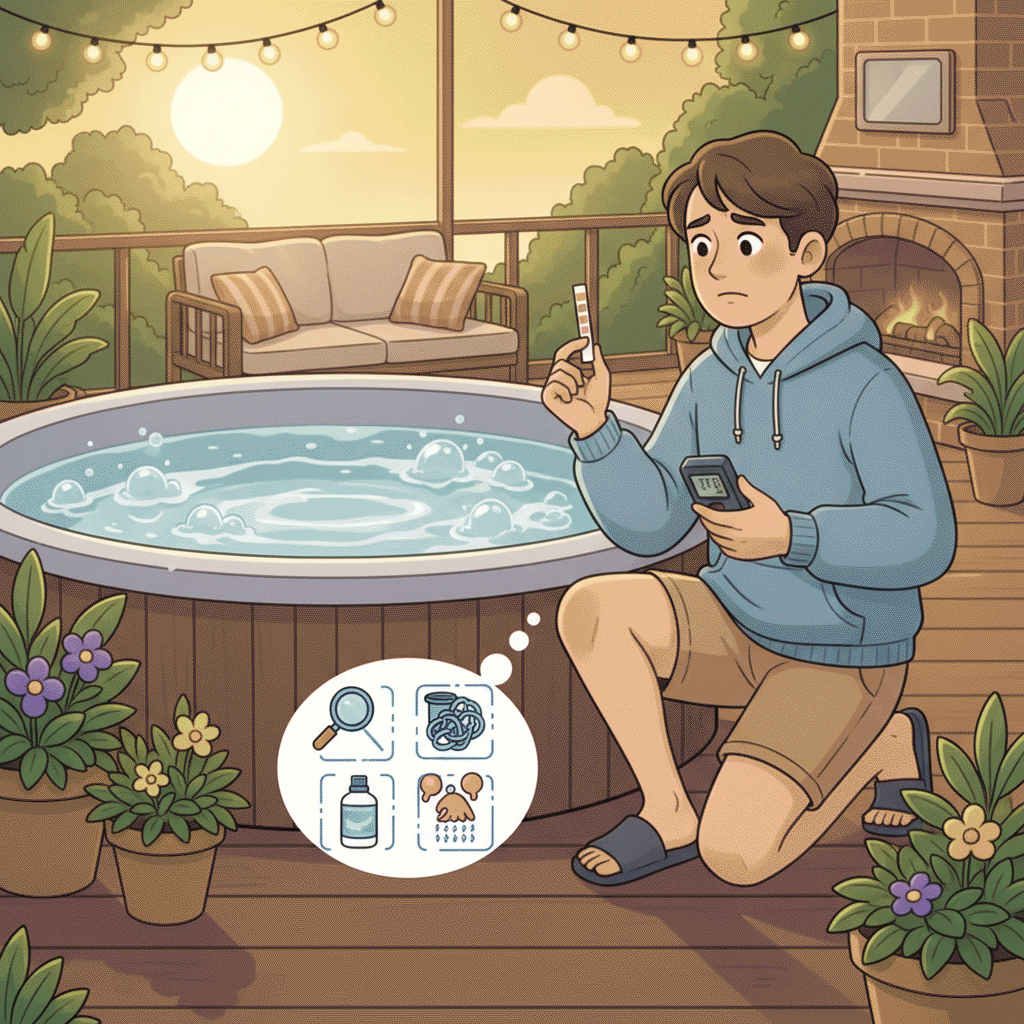
If your hot tub water cloudy issue has left you frustrated and confused, you’re not alone. Cloudy water is one of the most common complaints among hot tub owners, and it can turn your relaxation oasis into a source of stress. The good news? You’re in exactly the right place. This comprehensive guide will help you identify the root causes, implement effective solutions, and prevent the problem from returning.

Unlike quick-fix articles that only scratch the surface, this guide provides deep expertise in water chemistry and filtration systems. Drawing on years of industry experience and proven maintenance protocols, we’ll walk you through everything you need to know about hot tub cloudy water. Whether you’re dealing with a slight haze or completely opaque cloudy hot tub water, the step-by-step solutions ahead will restore your spa to crystal-clear perfection. By understanding the science behind water clarity, you’ll gain the confidence to maintain your hot tub like a professional.

Why Is My Hot Tub Water Cloudy? The 5 Main Culprits

The answer to “why is my hot tub water cloudy” rarely comes down to a single issue. In my experience working with thousands of hot tub owners, cloudy water typically results from a combination of factors working together. Understanding these root causes is essential for implementing the right solution rather than wasting time and money on treatments that don’t address your specific problem. Let’s examine each culprit in detail so you can accurately diagnose your situation.

Chemical Imbalance – The Silent Killer of Clear Water

Chemical imbalance is the number one cause of cloudy hot tub water, yet it’s often the most overlooked. Your water chemistry exists in a delicate balance, and when even one parameter falls outside its ideal range, clarity suffers. The three most critical measurements are pH, total alkalinity, and sanitizer levels. Industry data shows that over 60% of cloudy water cases can be traced directly to chemical imbalances.

“Proper water chemistry not only protects your equipment but also determines how long you can safely stay in a hot tub without experiencing skin irritation or other health issues.”

Ideal Chemical Ranges for Hot Tub Water

Chemical ParameterIdeal RangeEffects of Low LevelsEffects of High Levels
pH7.2 – 7.8Corrosion, eye irritation, ineffective sanitizerScale formation, cloudiness, reduced sanitizer efficiency
Total Alkalinity80 – 120 ppmpH instability, corrosionCloudy water, scale buildup, difficulty adjusting pH
Chlorine (Free)3 – 5 ppmBacterial growth, algae, cloudinessSkin/eye irritation, strong odor, chemical haze
Bromine3 – 5 ppmInadequate sanitization, biofilm growthChemical cloudiness, irritation
Calcium Hardness150 – 250 ppmCorrosive water, equipment damageCloudy water, scale deposits, rough surfaces

When pH drifts too high (above 7.8), it reduces sanitizer effectiveness by up to 75%, allowing contaminants to accumulate. Low pH (below 7.2) causes sanitizer to dissipate rapidly, leaving water unprotected. Similarly, inadequate chlorine or bromine levels create an environment where organic matter and bacteria can multiply, producing a milky haze that no amount of filtration can remove.

High Total Dissolved Solids (TDS) and Calcium Hardness

Total Dissolved Solids (TDS) represents the cumulative buildup of everything dissolved in your water over time – minerals, chemicals, body oils, and sanitizer byproducts. Every time you add chemicals or people use the hot tub, TDS increases. While you can’t see these dissolved substances individually, once TDS exceeds 1,500 ppm above your starting fill level, the water becomes saturated and begins to look dull or cloudy.

Calcium hardness specifically refers to dissolved calcium and magnesium minerals in your water. High calcium levels (above 250 ppm) create a condition where calcium precipitates out of solution, forming tiny suspended particles that cloud the water. This is especially common in areas with hard water. Over time, this excess calcium also deposits on surfaces, plumbing, and heating elements as scale buildup, reducing equipment efficiency and creating rough textures that harbor bacteria.

“Understanding which hot tub brands to avoid is just as important as knowing what features to look for when shopping for your backyard oasis.”

When dealing with high mineral content and discoloration issues, it’s worth noting that we’ve addressed solutions for hot tub water yellow problems in another comprehensive guide, as yellowing and cloudiness often share similar underlying causes related to mineral imbalances.

Filtration System Failure – The Unseen Problem

Your filtration system is the workhorse of water clarity, continuously removing particles and debris. However, many hot tub owners underestimate how quickly filters become compromised. A clogged or dirty filter can’t circulate water effectively, allowing particles to accumulate and creating the perfect conditions for cloudiness to develop.

Filters should be rinsed with a garden hose weekly to remove surface debris. Every 4-6 weeks, they require a deep clean using a specialized filter cleaner that removes oils and minerals trapped in the pleats. Even with proper cleaning, cartridge filters have a finite lifespan of 12-18 months before the media breaks down and loses effectiveness. Waiting too long to replace filters is like expecting an old sponge to clean effectively – it simply can’t do the job anymore. In my experience, improper filter maintenance accounts for approximately 30% of all cloudy water complaints.

“Our expert guide to hot tub electrical installation covers every step from planning to final inspection.”

Non-Living Organic Contaminants (Lotions, Soaps, Oils)

Every person who enters your hot tub introduces organic contaminants – body lotions, sunscreen, cosmetics, deodorants, hair products, detergents from swimsuits, and natural body oils. These substances don’t dissolve in water; instead, they accumulate and create a thin film that eventually manifests as cloudiness. A single bather can introduce 0.5 to 1 gram of organic material per soak session.

These contaminants are particularly problematic because they react with sanitizers to form chloramines or bromamines, which are the compounds actually responsible for that “chemical smell” people associate with hot tubs. As these byproducts accumulate, they create a hazy appearance and consume your sanitizer, leaving less available to kill bacteria. The more people use your hot tub, especially without showering first, the faster these contaminants build up and the cloudier your water becomes.

Biofilm and Algae – The Biological Threat

Biofilm is a slimy layer of bacteria that forms on surfaces throughout your hot tub’s plumbing, shell, and equipment. This bacterial colony produces a protective matrix that shields it from sanitizers, allowing it to thrive even in properly treated water. As biofilm grows, it sheds microscopic particles into the water, creating a persistent cloudiness that returns quickly even after treatment. Biofilm is particularly common in spas that don’t receive regular shocking or that maintain inconsistent sanitizer levels.

“Regular maintenance schedules ensure your hot tub remains ready for spontaneous hot tub games whenever guests arrive.”

Algae, while less common in hot tubs than swimming pools due to higher temperatures and chemical levels, can still establish in cooler seasons or poorly maintained spas. Even in the earliest stages before visible green growth appears, algae spores and microscopic algae cells create a noticeable haze. Pink slime (actually a bacterial colony, not true algae) can also contribute to cloudy conditions. These biological threats require aggressive oxidation and sometimes specialized enzyme treatments to eliminate completely.

How to Fix Cloudy Hot Tub Water – A Step-by-Step Guide

Now that you understand the causes, let’s address the critical question: how to fix cloudy hot tub water effectively. This systematic approach tackles both immediate symptoms and underlying problems. Follow these steps in order for the best results, and don’t skip ahead – each step builds on the previous one to create lasting clarity.

Step 1 – Test and Balance Your Water Chemistry

Before adding any chemicals or treatments, you need accurate data. Using reliable test strips or a liquid test kit, measure pH, total alkalinity, sanitizer level, and calcium hardness. I recommend liquid test kits for the most accurate results, though quality test strips are acceptable for routine monitoring.

Start by adjusting total alkalinity first, as it acts as a pH buffer. If alkalinity is low, add alkalinity increaser (sodium bicarbonate) according to package directions. If it’s high, add pH decreaser in small increments. Once alkalinity is in range (80-120 ppm), adjust pH to 7.4-7.6 using pH increaser (sodium carbonate) or pH decreaser (sodium bisulfate). Finally, bring your sanitizer level to the proper range – 3-5 ppm for chlorine or bromine. This foundation is essential because all subsequent treatments depend on properly balanced water chemistry.

Allow your circulation pump to run for at least 2-3 hours after making adjustments to fully distribute chemicals throughout the system. Retest before proceeding to ensure all parameters are correctly balanced. Trying to clear cloudy water without proper chemistry is like trying to clean with dirty water – it simply won’t work.

Step 2 – Shock Treatment (Oxidization) to Clear the Haze

Shocking your hot tub oxidizes organic contaminants, breaks down chloramines or bromamines, and provides a powerful boost to sanitizer levels. This process essentially “burns up” the microscopic particles causing cloudiness. For cloudy water, you’ll need to use 2-3 times the normal shock dosage.

Chlorine-based shock (dichlor or cal-hypo) provides both oxidation and sanitization, making it ideal for spas with visible contamination or biofilm issues. Non-chlorine shock (potassium monopersulfate) oxidizes without raising chlorine levels, making it suitable for bromine users or for situations where you want to use the spa quickly after treatment. For severe cloudiness, I recommend chlorine shock for its superior oxidizing power.

Add shock directly to your spa water with the jets running on high. Keep the cover off and allow the pump to circulate for at least 30-60 minutes before covering. Wait until chlorine levels drop below 5 ppm before using the spa. For best results, shock your hot tub in the evening and let it circulate overnight. You should notice significant improvement within 12-24 hours.

Step 3 – Deep Clean Your Filters

Remove your filter cartridge(s) and inspect for damage, tears, or crushed pleats. Rinse thoroughly with a high-pressure garden hose nozzle, spraying between each pleat from top to bottom. This removes surface debris and loosens embedded particles.

For a deep clean, soak filters in a filter cleaning solution for 8-12 hours (or overnight). These specialized cleaners contain enzymes and surfactants that dissolve oils, minerals, and organic material that water alone cannot remove. After soaking, rinse thoroughly again until water runs clear. If you notice any chemical residue or smell, continue rinsing – leftover cleaner can cause foaming.

If possible, rotate between two sets of filters. While one set is in use, the other can be cleaned and dried completely. This rotation extends filter life and ensures you always have a backup. Never run your hot tub without a filter installed, as doing so allows debris to circulate freely and can damage pump components.

Step 4 – Using a Clarifier or Flocculant (When Necessary)

Water clarifiers work by bonding with tiny suspended particles that are too small for your filter to catch individually, clumping them together into larger particles that your filter can remove. Think of it as making microscopic dust bunnies that your filter can grab. Clarifiers are helpful when water has a slight haze after balancing chemistry and shocking.

When using a clarifier, follow these essential guidelines:

  • Always add clarifier with jets running to ensure even distribution throughout the water
  • Use only the recommended dosage – more is not better and can actually make cloudiness worse
  • Run your filter continuously for 24-48 hours after adding clarifier to capture the clumped particles
  • Clean or rinse your filter after 24 hours, as it will trap significantly more debris than normal
  • Avoid using clarifiers more than once per week, as overuse can create a sticky buildup
  • Never combine clarifiers with flocculants or use multiple clarifier products simultaneously
  • Test and balance chemistry before adding clarifier – it works best in properly balanced water

Flocculants (floc) work differently by causing particles to clump and sink to the bottom, where you manually vacuum them out. While effective, floc requires turning off your pump and vacuuming to waste, making it more labor-intensive and suitable only for severe cloudiness in spas with dedicated vacuum ports.

Step 5 – The Full Drain and Refill (The Last Resort)

When TDS levels exceed 2,000-2,500 ppm, or when cloudiness persists despite proper treatment, it’s time for a complete water change. Old, saturated water cannot be restored to perfect clarity no matter what chemicals you add. Most hot tubs should be drained every 3-4 months under normal use, or more frequently with heavy use.

Turn off power at the breaker before draining to protect equipment. Use a submersible pump or the spa’s drain valve to empty completely. While empty, clean the shell with a spa-specific cleaner, scrubbing any biofilm or scale from surfaces. Flush the plumbing lines using a line flush product before draining to remove buildup from internal pipes.

When refilling, use a pre-filter on your garden hose to remove metals and minerals from incoming water. Fill to the proper level, turn the power back on, and immediately balance chemistry starting with alkalinity, then pH, then sanitizer. Add stain and scale preventer if you have hard water. Run the jets on high for 15-20 minutes to purge air from the lines, then begin your normal maintenance routine with fresh, clean water.

Preventing Cloudy Hot Tub Water – Expert Maintenance Tips

While knowing how to clear cloudy hot tub water is valuable, prevention is the real key to long-term success. These expert maintenance strategies will keep your water crystal clear week after week, saving you time, money, and frustration. Implementing a consistent routine makes all the difference between constantly fighting cloudiness and effortlessly enjoying perfect water.

Establish a Weekly Water Testing Routine

Consistency is everything in hot tub maintenance. Establish a specific day each week for comprehensive water testing – many owners choose Sunday evening or Monday morning. Test all critical parameters: pH, total alkalinity, sanitizer level, and calcium hardness. Record results in a notebook or smartphone app to track trends over time.

Adjust your testing frequency based on usage patterns. During periods of heavy use (parties, frequent guests, daily soaking), test every 2-3 days. After extended periods of non-use, test before and after use. Make chemical adjustments in small increments, allowing time for circulation before retesting. Remember that hot tub chemistry changes constantly due to evaporation, chemical consumption, and bather load. Weekly testing catches problems before they manifest as cloudiness.

The “Shower Before You Dip” Rule

This single habit provides the most significant prevention benefit relative to effort required. Research conducted by pool and spa industry associations demonstrates that showering before hot tub use reduces organic contaminant introduction by 75-80%. A quick 30-second rinse removes the majority of lotions, oils, cosmetics, and surface contaminants that would otherwise enter your spa.

Encourage all users to shower without soap (to avoid introducing more chemicals) and rinse thoroughly. While this might seem inconvenient, consider that just one unshowered bather can introduce as much contamination as 4-5 people who have showered first. The few seconds spent rinsing translates to hours saved on water maintenance and treatment. Post a friendly reminder sign near your hot tub explaining this rule and its benefits – guests are usually happy to comply when they understand the reason.

Regular Filter Maintenance Schedule

Create a non-negotiable filter maintenance schedule and stick to it religiously. Every week after heavy use (or every two weeks with light use), remove the filter and spray it thoroughly with a high-pressure hose. This weekly rinse prevents the surface-level buildup that reduces flow and efficiency.

Every 4-6 weeks, perform a deep clean using a filter cleaning solution and overnight soak. This quarterly maintenance removes the oils and minerals that penetrate deep into the filter media. Mark your calendar with filter cleaning dates, or set smartphone reminders – consistency matters more than perfection. Keep detailed records of when filters were installed so you can replace them at 12-18 months regardless of appearance. A filter might look fine visually but have degraded media that no longer filters effectively.

“Understanding the 7 person hot tub weight is crucial for deck planning and structural assessment before installation.”

Proper Hot Tub Cover Care

Your hot tub cover does more than retain heat – it protects water quality. A clean, well-maintained cover prevents debris, leaves, and contaminants from entering your spa. Conversely, a dirty cover harbors bacteria, mold, and organic material that drips back into the water every time you open it.

Clean your cover monthly using a cover cleaner or mild soap solution, rinsing thoroughly. Treat the vinyl with a UV protectant to prevent cracking and degradation. Inspect the underside for mold or mildew growth, cleaning with a diluted bleach solution (1:10 ratio) if present. Ensure your cover fits properly and creates a good seal – gaps allow debris and rainwater to enter. The condensation that forms on the underside of the cover can concentrate chemicals and drop them back into the water, potentially affecting chemistry. Wipe down the underside periodically if you notice excessive condensation.

Understanding Your Sanitizer Options (Chlorine vs. Bromine vs. Others)

Choosing the right sanitizer system affects both water clarity and maintenance requirements. Each option has distinct advantages for preventing cloudiness:

Chlorine: The most common and cost-effective sanitizer, chlorine works quickly and provides powerful oxidation. Dichlor (chlorine granules) is ideal for hot tubs due to its neutral pH and complete dissolution. Chlorine is best for owners who use their spa frequently and want fast-acting sanitation.

Bromine: A gentler alternative for people sensitive to chlorine, bromine remains effective at higher temperatures and pH levels. It produces fewer odors and causes less eye irritation. However, bromine requires a separate oxidizer (shock) since it doesn’t provide oxidation like chlorine. Best for users with chlorine sensitivity or those who prefer lower maintenance.

Mineral Systems: These cartridges release silver and copper ions that supplement (but don’t replace) traditional sanitizers, allowing you to use less chlorine or bromine. Minerals help prevent algae growth and can improve water feel, though they require consistent monitoring to prevent metal staining.

Salt Systems: Salt chlorine generators produce chlorine automatically from dissolved salt, providing consistent sanitizer levels without manual dosing. While more expensive initially, they reduce chemical costs and maintenance time. Best for dedicated owners willing to invest in automated systems.

Regardless of which sanitizer you choose, maintain consistent levels and supplement with weekly shocking. No single sanitizer prevents cloudiness alone – proper maintenance practices matter more than sanitizer type.

Crystal Clear Hot Tubs

Cloudy hot tub water doesn’t have to be a mystery or a source of ongoing frustration. As we’ve explored throughout this guide, clarity comes down to understanding the root causes – chemical imbalances, high TDS, filtration failures, organic contaminants, and biofilm – and addressing them systematically. The five-step treatment process provides a clear path to fix cloudy hot tub water, while the prevention strategies ensure the problem doesn’t return.

Remember that successful hot tub ownership is about consistency, not perfection. Weekly testing, proper sanitizer levels, clean filters, and the simple habit of showering before soaking will prevent the vast majority of cloudiness issues. When problems do arise, you now have the knowledge and confidence to diagnose and resolve them quickly. Your investment in understanding water chemistry and maintenance will reward you with years of crystal-clear, inviting water. Now it’s time to put this knowledge into practice and enjoy the sparkling, pristine spa experience you deserve.

Frequently Asked Questions (FAQ)

How long does it take for hot tub water to clear after shocking?

After proper shocking treatment, you should see noticeable improvement within 12-24 hours. Complete clarity typically returns within 24-48 hours if the underlying chemistry is balanced and filters are clean. If water remains cloudy after 48 hours, the issue likely involves high TDS, severely clogged filters, or biofilm requiring more aggressive treatment. Continue running your filter continuously during this period and clean or rinse your filter after 24 hours to remove trapped particles.

Can I use my hot tub if the water is cloudy?

It’s not recommended. Cloudy water indicates the presence of contaminants, inadequate sanitizer levels, or poor water quality – all potential health concerns. The cloudiness itself prevents you from seeing the bottom clearly, creating a safety hazard. You also cannot accurately assess if anyone is in distress underwater. Additionally, using a hot tub with cloudy water often worsens the problem by introducing more body oils and contaminants. Wait until water is clear and chemistry is balanced before using your spa.

Does low pH cause cloudy hot tub water?

Yes, but indirectly. Low pH (below 7.2) causes rapid sanitizer dissipation, meaning your chlorine or bromine gets used up quickly and becomes ineffective at killing bacteria and oxidizing contaminants. This creates conditions where organic matter accumulates, leading to cloudiness. Low pH also makes water corrosive, potentially causing metal components to dissolve into the water and contribute to haziness. Always maintain pH between 7.2-7.8, with 7.4-7.6 being ideal for both clarity and comfort.

What is the best clarifier for cloudy hot tub water?

While specific product recommendations vary by region and availability, look for clarifiers specifically formulated for hot tubs (not swimming pools) with natural or polymer-based formulas. Popular reliable options include brands like SpaGuard Natural Clarifier, Leisure Time Bright & Clear, or BioGuard Spa Sparkle. However, clarifiers are supplemental tools, not primary solutions. The best approach is always to address the root cause – balance chemistry, shock properly, and maintain clean filters. Use clarifiers only for minor haze after these fundamentals are addressed, not as a substitute for proper maintenance.

References

This guide draws upon industry standards and best practices from the following authoritative sources:

  • Association of Pool & Spa Professionals (APSP) – Water Chemistry Guidelines and Standards
  • Centers for Disease Control and Prevention (CDC) – Model Aquatic Health Code for Spa Water Quality
  • National Swimming Pool Foundation (NSPF) – Certified Pool Operator Manual
  • Water Quality & Health Council – Research on Recreational Water Sanitation
  • American Chemistry Council – Guidance on Safe Pool and Spa Chemical Use

All chemical parameters and ranges referenced in this guide align with industry-accepted standards established by these organizations. For the most current information on hot tub maintenance and safety, consult the APSP website or your local health department’s recreational water regulations.

If your hot tub water cloudy issue has left you frustrated and confused, you’re not alone. Cloudy water is one of the most common complaints among hot tub owners, and it can turn your relaxation oasis into a source of stress. The good news? You’re in exactly the right place. This comprehensive guide will help you identify the root causes, implement effective solutions, and prevent the problem from returning.

Unlike quick-fix articles that only scratch the surface, this guide provides deep expertise in water chemistry and filtration systems. Drawing on years of industry experience and proven maintenance protocols, we’ll walk you through everything you need to know about hot tub cloudy water. Whether you’re dealing with a slight haze or completely opaque cloudy hot tub water, the step-by-step solutions ahead will restore your spa to crystal-clear perfection. By understanding the science behind water clarity, you’ll gain the confidence to maintain your hot tub like a professional.

Why Is My Hot Tub Water Cloudy? The 5 Main Culprits

The answer to “why is my hot tub water cloudy” rarely comes down to a single issue. In my experience working with thousands of hot tub owners, cloudy water typically results from a combination of factors working together. Understanding these root causes is essential for implementing the right solution rather than wasting time and money on treatments that don’t address your specific problem. Let’s examine each culprit in detail so you can accurately diagnose your situation.

Chemical Imbalance – The Silent Killer of Clear Water

Chemical imbalance is the number one cause of cloudy hot tub water, yet it’s often the most overlooked. Your water chemistry exists in a delicate balance, and when even one parameter falls outside its ideal range, clarity suffers. The three most critical measurements are pH, total alkalinity, and sanitizer levels. Industry data shows that over 60% of cloudy water cases can be traced directly to chemical imbalances.

“Proper water chemistry not only protects your equipment but also determines how long you can safely stay in a hot tub without experiencing skin irritation or other health issues.”

Ideal Chemical Ranges for Hot Tub Water

Chemical ParameterIdeal RangeEffects of Low LevelsEffects of High Levels
pH7.2 – 7.8Corrosion, eye irritation, ineffective sanitizerScale formation, cloudiness, reduced sanitizer efficiency
Total Alkalinity80 – 120 ppmpH instability, corrosionCloudy water, scale buildup, difficulty adjusting pH
Chlorine (Free)3 – 5 ppmBacterial growth, algae, cloudinessSkin/eye irritation, strong odor, chemical haze
Bromine3 – 5 ppmInadequate sanitization, biofilm growthChemical cloudiness, irritation
Calcium Hardness150 – 250 ppmCorrosive water, equipment damageCloudy water, scale deposits, rough surfaces

When pH drifts too high (above 7.8), it reduces sanitizer effectiveness by up to 75%, allowing contaminants to accumulate. Low pH (below 7.2) causes sanitizer to dissipate rapidly, leaving water unprotected. Similarly, inadequate chlorine or bromine levels create an environment where organic matter and bacteria can multiply, producing a milky haze that no amount of filtration can remove.

High Total Dissolved Solids (TDS) and Calcium Hardness

Total Dissolved Solids (TDS) represents the cumulative buildup of everything dissolved in your water over time – minerals, chemicals, body oils, and sanitizer byproducts. Every time you add chemicals or people use the hot tub, TDS increases. While you can’t see these dissolved substances individually, once TDS exceeds 1,500 ppm above your starting fill level, the water becomes saturated and begins to look dull or cloudy.

Calcium hardness specifically refers to dissolved calcium and magnesium minerals in your water. High calcium levels (above 250 ppm) create a condition where calcium precipitates out of solution, forming tiny suspended particles that cloud the water. This is especially common in areas with hard water. Over time, this excess calcium also deposits on surfaces, plumbing, and heating elements as scale buildup, reducing equipment efficiency and creating rough textures that harbor bacteria.

“Understanding which hot tub brands to avoid is just as important as knowing what features to look for when shopping for your backyard oasis.”

When dealing with high mineral content and discoloration issues, it’s worth noting that we’ve addressed solutions for hot tub water yellow problems in another comprehensive guide, as yellowing and cloudiness often share similar underlying causes related to mineral imbalances.

Filtration System Failure – The Unseen Problem

Your filtration system is the workhorse of water clarity, continuously removing particles and debris. However, many hot tub owners underestimate how quickly filters become compromised. A clogged or dirty filter can’t circulate water effectively, allowing particles to accumulate and creating the perfect conditions for cloudiness to develop.

Filters should be rinsed with a garden hose weekly to remove surface debris. Every 4-6 weeks, they require a deep clean using a specialized filter cleaner that removes oils and minerals trapped in the pleats. Even with proper cleaning, cartridge filters have a finite lifespan of 12-18 months before the media breaks down and loses effectiveness. Waiting too long to replace filters is like expecting an old sponge to clean effectively – it simply can’t do the job anymore. In my experience, improper filter maintenance accounts for approximately 30% of all cloudy water complaints.

“Our expert guide to hot tub electrical installation covers every step from planning to final inspection.”

Non-Living Organic Contaminants (Lotions, Soaps, Oils)

Every person who enters your hot tub introduces organic contaminants – body lotions, sunscreen, cosmetics, deodorants, hair products, detergents from swimsuits, and natural body oils. These substances don’t dissolve in water; instead, they accumulate and create a thin film that eventually manifests as cloudiness. A single bather can introduce 0.5 to 1 gram of organic material per soak session.

These contaminants are particularly problematic because they react with sanitizers to form chloramines or bromamines, which are the compounds actually responsible for that “chemical smell” people associate with hot tubs. As these byproducts accumulate, they create a hazy appearance and consume your sanitizer, leaving less available to kill bacteria. The more people use your hot tub, especially without showering first, the faster these contaminants build up and the cloudier your water becomes.

Biofilm and Algae – The Biological Threat

Biofilm is a slimy layer of bacteria that forms on surfaces throughout your hot tub’s plumbing, shell, and equipment. This bacterial colony produces a protective matrix that shields it from sanitizers, allowing it to thrive even in properly treated water. As biofilm grows, it sheds microscopic particles into the water, creating a persistent cloudiness that returns quickly even after treatment. Biofilm is particularly common in spas that don’t receive regular shocking or that maintain inconsistent sanitizer levels.

“Regular maintenance schedules ensure your hot tub remains ready for spontaneous hot tub games whenever guests arrive.”

Algae, while less common in hot tubs than swimming pools due to higher temperatures and chemical levels, can still establish in cooler seasons or poorly maintained spas. Even in the earliest stages before visible green growth appears, algae spores and microscopic algae cells create a noticeable haze. Pink slime (actually a bacterial colony, not true algae) can also contribute to cloudy conditions. These biological threats require aggressive oxidation and sometimes specialized enzyme treatments to eliminate completely.

How to Fix Cloudy Hot Tub Water – A Step-by-Step Guide

Now that you understand the causes, let’s address the critical question: how to fix cloudy hot tub water effectively. This systematic approach tackles both immediate symptoms and underlying problems. Follow these steps in order for the best results, and don’t skip ahead – each step builds on the previous one to create lasting clarity.

Step 1 – Test and Balance Your Water Chemistry

Before adding any chemicals or treatments, you need accurate data. Using reliable test strips or a liquid test kit, measure pH, total alkalinity, sanitizer level, and calcium hardness. I recommend liquid test kits for the most accurate results, though quality test strips are acceptable for routine monitoring.

Start by adjusting total alkalinity first, as it acts as a pH buffer. If alkalinity is low, add alkalinity increaser (sodium bicarbonate) according to package directions. If it’s high, add pH decreaser in small increments. Once alkalinity is in range (80-120 ppm), adjust pH to 7.4-7.6 using pH increaser (sodium carbonate) or pH decreaser (sodium bisulfate). Finally, bring your sanitizer level to the proper range – 3-5 ppm for chlorine or bromine. This foundation is essential because all subsequent treatments depend on properly balanced water chemistry.

Allow your circulation pump to run for at least 2-3 hours after making adjustments to fully distribute chemicals throughout the system. Retest before proceeding to ensure all parameters are correctly balanced. Trying to clear cloudy water without proper chemistry is like trying to clean with dirty water – it simply won’t work.

Step 2 – Shock Treatment (Oxidization) to Clear the Haze

Shocking your hot tub oxidizes organic contaminants, breaks down chloramines or bromamines, and provides a powerful boost to sanitizer levels. This process essentially “burns up” the microscopic particles causing cloudiness. For cloudy water, you’ll need to use 2-3 times the normal shock dosage.

Chlorine-based shock (dichlor or cal-hypo) provides both oxidation and sanitization, making it ideal for spas with visible contamination or biofilm issues. Non-chlorine shock (potassium monopersulfate) oxidizes without raising chlorine levels, making it suitable for bromine users or for situations where you want to use the spa quickly after treatment. For severe cloudiness, I recommend chlorine shock for its superior oxidizing power.

Add shock directly to your spa water with the jets running on high. Keep the cover off and allow the pump to circulate for at least 30-60 minutes before covering. Wait until chlorine levels drop below 5 ppm before using the spa. For best results, shock your hot tub in the evening and let it circulate overnight. You should notice significant improvement within 12-24 hours.

Step 3 – Deep Clean Your Filters

Remove your filter cartridge(s) and inspect for damage, tears, or crushed pleats. Rinse thoroughly with a high-pressure garden hose nozzle, spraying between each pleat from top to bottom. This removes surface debris and loosens embedded particles.

For a deep clean, soak filters in a filter cleaning solution for 8-12 hours (or overnight). These specialized cleaners contain enzymes and surfactants that dissolve oils, minerals, and organic material that water alone cannot remove. After soaking, rinse thoroughly again until water runs clear. If you notice any chemical residue or smell, continue rinsing – leftover cleaner can cause foaming.

If possible, rotate between two sets of filters. While one set is in use, the other can be cleaned and dried completely. This rotation extends filter life and ensures you always have a backup. Never run your hot tub without a filter installed, as doing so allows debris to circulate freely and can damage pump components.

Step 4 – Using a Clarifier or Flocculant (When Necessary)

Water clarifiers work by bonding with tiny suspended particles that are too small for your filter to catch individually, clumping them together into larger particles that your filter can remove. Think of it as making microscopic dust bunnies that your filter can grab. Clarifiers are helpful when water has a slight haze after balancing chemistry and shocking.

When using a clarifier, follow these essential guidelines:

  • Always add clarifier with jets running to ensure even distribution throughout the water
  • Use only the recommended dosage – more is not better and can actually make cloudiness worse
  • Run your filter continuously for 24-48 hours after adding clarifier to capture the clumped particles
  • Clean or rinse your filter after 24 hours, as it will trap significantly more debris than normal
  • Avoid using clarifiers more than once per week, as overuse can create a sticky buildup
  • Never combine clarifiers with flocculants or use multiple clarifier products simultaneously
  • Test and balance chemistry before adding clarifier – it works best in properly balanced water

Flocculants (floc) work differently by causing particles to clump and sink to the bottom, where you manually vacuum them out. While effective, floc requires turning off your pump and vacuuming to waste, making it more labor-intensive and suitable only for severe cloudiness in spas with dedicated vacuum ports.

Step 5 – The Full Drain and Refill (The Last Resort)

When TDS levels exceed 2,000-2,500 ppm, or when cloudiness persists despite proper treatment, it’s time for a complete water change. Old, saturated water cannot be restored to perfect clarity no matter what chemicals you add. Most hot tubs should be drained every 3-4 months under normal use, or more frequently with heavy use.

Turn off power at the breaker before draining to protect equipment. Use a submersible pump or the spa’s drain valve to empty completely. While empty, clean the shell with a spa-specific cleaner, scrubbing any biofilm or scale from surfaces. Flush the plumbing lines using a line flush product before draining to remove buildup from internal pipes.

When refilling, use a pre-filter on your garden hose to remove metals and minerals from incoming water. Fill to the proper level, turn the power back on, and immediately balance chemistry starting with alkalinity, then pH, then sanitizer. Add stain and scale preventer if you have hard water. Run the jets on high for 15-20 minutes to purge air from the lines, then begin your normal maintenance routine with fresh, clean water.

Preventing Cloudy Hot Tub Water – Expert Maintenance Tips

While knowing how to clear cloudy hot tub water is valuable, prevention is the real key to long-term success. These expert maintenance strategies will keep your water crystal clear week after week, saving you time, money, and frustration. Implementing a consistent routine makes all the difference between constantly fighting cloudiness and effortlessly enjoying perfect water.

Establish a Weekly Water Testing Routine

Consistency is everything in hot tub maintenance. Establish a specific day each week for comprehensive water testing – many owners choose Sunday evening or Monday morning. Test all critical parameters: pH, total alkalinity, sanitizer level, and calcium hardness. Record results in a notebook or smartphone app to track trends over time.

Adjust your testing frequency based on usage patterns. During periods of heavy use (parties, frequent guests, daily soaking), test every 2-3 days. After extended periods of non-use, test before and after use. Make chemical adjustments in small increments, allowing time for circulation before retesting. Remember that hot tub chemistry changes constantly due to evaporation, chemical consumption, and bather load. Weekly testing catches problems before they manifest as cloudiness.

The “Shower Before You Dip” Rule

This single habit provides the most significant prevention benefit relative to effort required. Research conducted by pool and spa industry associations demonstrates that showering before hot tub use reduces organic contaminant introduction by 75-80%. A quick 30-second rinse removes the majority of lotions, oils, cosmetics, and surface contaminants that would otherwise enter your spa.

Encourage all users to shower without soap (to avoid introducing more chemicals) and rinse thoroughly. While this might seem inconvenient, consider that just one unshowered bather can introduce as much contamination as 4-5 people who have showered first. The few seconds spent rinsing translates to hours saved on water maintenance and treatment. Post a friendly reminder sign near your hot tub explaining this rule and its benefits – guests are usually happy to comply when they understand the reason.

Regular Filter Maintenance Schedule

Create a non-negotiable filter maintenance schedule and stick to it religiously. Every week after heavy use (or every two weeks with light use), remove the filter and spray it thoroughly with a high-pressure hose. This weekly rinse prevents the surface-level buildup that reduces flow and efficiency.

Every 4-6 weeks, perform a deep clean using a filter cleaning solution and overnight soak. This quarterly maintenance removes the oils and minerals that penetrate deep into the filter media. Mark your calendar with filter cleaning dates, or set smartphone reminders – consistency matters more than perfection. Keep detailed records of when filters were installed so you can replace them at 12-18 months regardless of appearance. A filter might look fine visually but have degraded media that no longer filters effectively.

“Understanding the 7 person hot tub weight is crucial for deck planning and structural assessment before installation.”

Proper Hot Tub Cover Care

Your hot tub cover does more than retain heat – it protects water quality. A clean, well-maintained cover prevents debris, leaves, and contaminants from entering your spa. Conversely, a dirty cover harbors bacteria, mold, and organic material that drips back into the water every time you open it.

Clean your cover monthly using a cover cleaner or mild soap solution, rinsing thoroughly. Treat the vinyl with a UV protectant to prevent cracking and degradation. Inspect the underside for mold or mildew growth, cleaning with a diluted bleach solution (1:10 ratio) if present. Ensure your cover fits properly and creates a good seal – gaps allow debris and rainwater to enter. The condensation that forms on the underside of the cover can concentrate chemicals and drop them back into the water, potentially affecting chemistry. Wipe down the underside periodically if you notice excessive condensation.

Understanding Your Sanitizer Options (Chlorine vs. Bromine vs. Others)

Choosing the right sanitizer system affects both water clarity and maintenance requirements. Each option has distinct advantages for preventing cloudiness:

Chlorine: The most common and cost-effective sanitizer, chlorine works quickly and provides powerful oxidation. Dichlor (chlorine granules) is ideal for hot tubs due to its neutral pH and complete dissolution. Chlorine is best for owners who use their spa frequently and want fast-acting sanitation.

Bromine: A gentler alternative for people sensitive to chlorine, bromine remains effective at higher temperatures and pH levels. It produces fewer odors and causes less eye irritation. However, bromine requires a separate oxidizer (shock) since it doesn’t provide oxidation like chlorine. Best for users with chlorine sensitivity or those who prefer lower maintenance.

Mineral Systems: These cartridges release silver and copper ions that supplement (but don’t replace) traditional sanitizers, allowing you to use less chlorine or bromine. Minerals help prevent algae growth and can improve water feel, though they require consistent monitoring to prevent metal staining.

Salt Systems: Salt chlorine generators produce chlorine automatically from dissolved salt, providing consistent sanitizer levels without manual dosing. While more expensive initially, they reduce chemical costs and maintenance time. Best for dedicated owners willing to invest in automated systems.

Regardless of which sanitizer you choose, maintain consistent levels and supplement with weekly shocking. No single sanitizer prevents cloudiness alone – proper maintenance practices matter more than sanitizer type.

Crystal Clear Hot Tubs

Cloudy hot tub water doesn’t have to be a mystery or a source of ongoing frustration. As we’ve explored throughout this guide, clarity comes down to understanding the root causes – chemical imbalances, high TDS, filtration failures, organic contaminants, and biofilm – and addressing them systematically. The five-step treatment process provides a clear path to fix cloudy hot tub water, while the prevention strategies ensure the problem doesn’t return.

Remember that successful hot tub ownership is about consistency, not perfection. Weekly testing, proper sanitizer levels, clean filters, and the simple habit of showering before soaking will prevent the vast majority of cloudiness issues. When problems do arise, you now have the knowledge and confidence to diagnose and resolve them quickly. Your investment in understanding water chemistry and maintenance will reward you with years of crystal-clear, inviting water. Now it’s time to put this knowledge into practice and enjoy the sparkling, pristine spa experience you deserve.

Frequently Asked Questions (FAQ)

How long does it take for hot tub water to clear after shocking?

After proper shocking treatment, you should see noticeable improvement within 12-24 hours. Complete clarity typically returns within 24-48 hours if the underlying chemistry is balanced and filters are clean. If water remains cloudy after 48 hours, the issue likely involves high TDS, severely clogged filters, or biofilm requiring more aggressive treatment. Continue running your filter continuously during this period and clean or rinse your filter after 24 hours to remove trapped particles.

Can I use my hot tub if the water is cloudy?

It’s not recommended. Cloudy water indicates the presence of contaminants, inadequate sanitizer levels, or poor water quality – all potential health concerns. The cloudiness itself prevents you from seeing the bottom clearly, creating a safety hazard. You also cannot accurately assess if anyone is in distress underwater. Additionally, using a hot tub with cloudy water often worsens the problem by introducing more body oils and contaminants. Wait until water is clear and chemistry is balanced before using your spa.

Does low pH cause cloudy hot tub water?

Yes, but indirectly. Low pH (below 7.2) causes rapid sanitizer dissipation, meaning your chlorine or bromine gets used up quickly and becomes ineffective at killing bacteria and oxidizing contaminants. This creates conditions where organic matter accumulates, leading to cloudiness. Low pH also makes water corrosive, potentially causing metal components to dissolve into the water and contribute to haziness. Always maintain pH between 7.2-7.8, with 7.4-7.6 being ideal for both clarity and comfort.

What is the best clarifier for cloudy hot tub water?

While specific product recommendations vary by region and availability, look for clarifiers specifically formulated for hot tubs (not swimming pools) with natural or polymer-based formulas. Popular reliable options include brands like SpaGuard Natural Clarifier, Leisure Time Bright & Clear, or BioGuard Spa Sparkle. However, clarifiers are supplemental tools, not primary solutions. The best approach is always to address the root cause – balance chemistry, shock properly, and maintain clean filters. Use clarifiers only for minor haze after these fundamentals are addressed, not as a substitute for proper maintenance.

References

This guide draws upon industry standards and best practices from the following authoritative sources:

  • Association of Pool & Spa Professionals (APSP) – Water Chemistry Guidelines and Standards
  • Centers for Disease Control and Prevention (CDC) – Model Aquatic Health Code for Spa Water Quality
  • National Swimming Pool Foundation (NSPF) – Certified Pool Operator Manual
  • Water Quality & Health Council – Research on Recreational Water Sanitation
  • American Chemistry Council – Guidance on Safe Pool and Spa Chemical Use

All chemical parameters and ranges referenced in this guide align with industry-accepted standards established by these organizations. For the most current information on hot tub maintenance and safety, consult the APSP website or your local health department’s recreational water regulations.

If your hot tub water cloudy issue has left you frustrated and confused, you’re not alone. Cloudy water is one of the most common complaints among hot tub owners, and it can turn your relaxation oasis into a source of stress. The good news? You’re in exactly the right place. This comprehensive guide will help you identify the root causes, implement effective solutions, and prevent the problem from returning.

Unlike quick-fix articles that only scratch the surface, this guide provides deep expertise in water chemistry and filtration systems. Drawing on years of industry experience and proven maintenance protocols, we’ll walk you through everything you need to know about hot tub cloudy water. Whether you’re dealing with a slight haze or completely opaque cloudy hot tub water, the step-by-step solutions ahead will restore your spa to crystal-clear perfection. By understanding the science behind water clarity, you’ll gain the confidence to maintain your hot tub like a professional.

Why Is My Hot Tub Water Cloudy? The 5 Main Culprits

The answer to “why is my hot tub water cloudy” rarely comes down to a single issue. In my experience working with thousands of hot tub owners, cloudy water typically results from a combination of factors working together. Understanding these root causes is essential for implementing the right solution rather than wasting time and money on treatments that don’t address your specific problem. Let’s examine each culprit in detail so you can accurately diagnose your situation.

Chemical Imbalance – The Silent Killer of Clear Water

Chemical imbalance is the number one cause of cloudy hot tub water, yet it’s often the most overlooked. Your water chemistry exists in a delicate balance, and when even one parameter falls outside its ideal range, clarity suffers. The three most critical measurements are pH, total alkalinity, and sanitizer levels. Industry data shows that over 60% of cloudy water cases can be traced directly to chemical imbalances.

“Proper water chemistry not only protects your equipment but also determines how long you can safely stay in a hot tub without experiencing skin irritation or other health issues.”

Ideal Chemical Ranges for Hot Tub Water

Chemical ParameterIdeal RangeEffects of Low LevelsEffects of High Levels
pH7.2 – 7.8Corrosion, eye irritation, ineffective sanitizerScale formation, cloudiness, reduced sanitizer efficiency
Total Alkalinity80 – 120 ppmpH instability, corrosionCloudy water, scale buildup, difficulty adjusting pH
Chlorine (Free)3 – 5 ppmBacterial growth, algae, cloudinessSkin/eye irritation, strong odor, chemical haze
Bromine3 – 5 ppmInadequate sanitization, biofilm growthChemical cloudiness, irritation
Calcium Hardness150 – 250 ppmCorrosive water, equipment damageCloudy water, scale deposits, rough surfaces

When pH drifts too high (above 7.8), it reduces sanitizer effectiveness by up to 75%, allowing contaminants to accumulate. Low pH (below 7.2) causes sanitizer to dissipate rapidly, leaving water unprotected. Similarly, inadequate chlorine or bromine levels create an environment where organic matter and bacteria can multiply, producing a milky haze that no amount of filtration can remove.

High Total Dissolved Solids (TDS) and Calcium Hardness

Total Dissolved Solids (TDS) represents the cumulative buildup of everything dissolved in your water over time – minerals, chemicals, body oils, and sanitizer byproducts. Every time you add chemicals or people use the hot tub, TDS increases. While you can’t see these dissolved substances individually, once TDS exceeds 1,500 ppm above your starting fill level, the water becomes saturated and begins to look dull or cloudy.

Calcium hardness specifically refers to dissolved calcium and magnesium minerals in your water. High calcium levels (above 250 ppm) create a condition where calcium precipitates out of solution, forming tiny suspended particles that cloud the water. This is especially common in areas with hard water. Over time, this excess calcium also deposits on surfaces, plumbing, and heating elements as scale buildup, reducing equipment efficiency and creating rough textures that harbor bacteria.

“Understanding which hot tub brands to avoid is just as important as knowing what features to look for when shopping for your backyard oasis.”

When dealing with high mineral content and discoloration issues, it’s worth noting that we’ve addressed solutions for hot tub water yellow problems in another comprehensive guide, as yellowing and cloudiness often share similar underlying causes related to mineral imbalances.

Filtration System Failure – The Unseen Problem

Your filtration system is the workhorse of water clarity, continuously removing particles and debris. However, many hot tub owners underestimate how quickly filters become compromised. A clogged or dirty filter can’t circulate water effectively, allowing particles to accumulate and creating the perfect conditions for cloudiness to develop.

Filters should be rinsed with a garden hose weekly to remove surface debris. Every 4-6 weeks, they require a deep clean using a specialized filter cleaner that removes oils and minerals trapped in the pleats. Even with proper cleaning, cartridge filters have a finite lifespan of 12-18 months before the media breaks down and loses effectiveness. Waiting too long to replace filters is like expecting an old sponge to clean effectively – it simply can’t do the job anymore. In my experience, improper filter maintenance accounts for approximately 30% of all cloudy water complaints.

“Our expert guide to hot tub electrical installation covers every step from planning to final inspection.”

Non-Living Organic Contaminants (Lotions, Soaps, Oils)

Every person who enters your hot tub introduces organic contaminants – body lotions, sunscreen, cosmetics, deodorants, hair products, detergents from swimsuits, and natural body oils. These substances don’t dissolve in water; instead, they accumulate and create a thin film that eventually manifests as cloudiness. A single bather can introduce 0.5 to 1 gram of organic material per soak session.

These contaminants are particularly problematic because they react with sanitizers to form chloramines or bromamines, which are the compounds actually responsible for that “chemical smell” people associate with hot tubs. As these byproducts accumulate, they create a hazy appearance and consume your sanitizer, leaving less available to kill bacteria. The more people use your hot tub, especially without showering first, the faster these contaminants build up and the cloudier your water becomes.

Biofilm and Algae – The Biological Threat

Biofilm is a slimy layer of bacteria that forms on surfaces throughout your hot tub’s plumbing, shell, and equipment. This bacterial colony produces a protective matrix that shields it from sanitizers, allowing it to thrive even in properly treated water. As biofilm grows, it sheds microscopic particles into the water, creating a persistent cloudiness that returns quickly even after treatment. Biofilm is particularly common in spas that don’t receive regular shocking or that maintain inconsistent sanitizer levels.

“Regular maintenance schedules ensure your hot tub remains ready for spontaneous hot tub games whenever guests arrive.”

Algae, while less common in hot tubs than swimming pools due to higher temperatures and chemical levels, can still establish in cooler seasons or poorly maintained spas. Even in the earliest stages before visible green growth appears, algae spores and microscopic algae cells create a noticeable haze. Pink slime (actually a bacterial colony, not true algae) can also contribute to cloudy conditions. These biological threats require aggressive oxidation and sometimes specialized enzyme treatments to eliminate completely.

How to Fix Cloudy Hot Tub Water – A Step-by-Step Guide

Now that you understand the causes, let’s address the critical question: how to fix cloudy hot tub water effectively. This systematic approach tackles both immediate symptoms and underlying problems. Follow these steps in order for the best results, and don’t skip ahead – each step builds on the previous one to create lasting clarity.

Step 1 – Test and Balance Your Water Chemistry

Before adding any chemicals or treatments, you need accurate data. Using reliable test strips or a liquid test kit, measure pH, total alkalinity, sanitizer level, and calcium hardness. I recommend liquid test kits for the most accurate results, though quality test strips are acceptable for routine monitoring.

Start by adjusting total alkalinity first, as it acts as a pH buffer. If alkalinity is low, add alkalinity increaser (sodium bicarbonate) according to package directions. If it’s high, add pH decreaser in small increments. Once alkalinity is in range (80-120 ppm), adjust pH to 7.4-7.6 using pH increaser (sodium carbonate) or pH decreaser (sodium bisulfate). Finally, bring your sanitizer level to the proper range – 3-5 ppm for chlorine or bromine. This foundation is essential because all subsequent treatments depend on properly balanced water chemistry.

Allow your circulation pump to run for at least 2-3 hours after making adjustments to fully distribute chemicals throughout the system. Retest before proceeding to ensure all parameters are correctly balanced. Trying to clear cloudy water without proper chemistry is like trying to clean with dirty water – it simply won’t work.

Step 2 – Shock Treatment (Oxidization) to Clear the Haze

Shocking your hot tub oxidizes organic contaminants, breaks down chloramines or bromamines, and provides a powerful boost to sanitizer levels. This process essentially “burns up” the microscopic particles causing cloudiness. For cloudy water, you’ll need to use 2-3 times the normal shock dosage.

Chlorine-based shock (dichlor or cal-hypo) provides both oxidation and sanitization, making it ideal for spas with visible contamination or biofilm issues. Non-chlorine shock (potassium monopersulfate) oxidizes without raising chlorine levels, making it suitable for bromine users or for situations where you want to use the spa quickly after treatment. For severe cloudiness, I recommend chlorine shock for its superior oxidizing power.

Add shock directly to your spa water with the jets running on high. Keep the cover off and allow the pump to circulate for at least 30-60 minutes before covering. Wait until chlorine levels drop below 5 ppm before using the spa. For best results, shock your hot tub in the evening and let it circulate overnight. You should notice significant improvement within 12-24 hours.

Step 3 – Deep Clean Your Filters

Remove your filter cartridge(s) and inspect for damage, tears, or crushed pleats. Rinse thoroughly with a high-pressure garden hose nozzle, spraying between each pleat from top to bottom. This removes surface debris and loosens embedded particles.

For a deep clean, soak filters in a filter cleaning solution for 8-12 hours (or overnight). These specialized cleaners contain enzymes and surfactants that dissolve oils, minerals, and organic material that water alone cannot remove. After soaking, rinse thoroughly again until water runs clear. If you notice any chemical residue or smell, continue rinsing – leftover cleaner can cause foaming.

If possible, rotate between two sets of filters. While one set is in use, the other can be cleaned and dried completely. This rotation extends filter life and ensures you always have a backup. Never run your hot tub without a filter installed, as doing so allows debris to circulate freely and can damage pump components.

Step 4 – Using a Clarifier or Flocculant (When Necessary)

Water clarifiers work by bonding with tiny suspended particles that are too small for your filter to catch individually, clumping them together into larger particles that your filter can remove. Think of it as making microscopic dust bunnies that your filter can grab. Clarifiers are helpful when water has a slight haze after balancing chemistry and shocking.

When using a clarifier, follow these essential guidelines:

  • Always add clarifier with jets running to ensure even distribution throughout the water
  • Use only the recommended dosage – more is not better and can actually make cloudiness worse
  • Run your filter continuously for 24-48 hours after adding clarifier to capture the clumped particles
  • Clean or rinse your filter after 24 hours, as it will trap significantly more debris than normal
  • Avoid using clarifiers more than once per week, as overuse can create a sticky buildup
  • Never combine clarifiers with flocculants or use multiple clarifier products simultaneously
  • Test and balance chemistry before adding clarifier – it works best in properly balanced water

Flocculants (floc) work differently by causing particles to clump and sink to the bottom, where you manually vacuum them out. While effective, floc requires turning off your pump and vacuuming to waste, making it more labor-intensive and suitable only for severe cloudiness in spas with dedicated vacuum ports.

Step 5 – The Full Drain and Refill (The Last Resort)

When TDS levels exceed 2,000-2,500 ppm, or when cloudiness persists despite proper treatment, it’s time for a complete water change. Old, saturated water cannot be restored to perfect clarity no matter what chemicals you add. Most hot tubs should be drained every 3-4 months under normal use, or more frequently with heavy use.

Turn off power at the breaker before draining to protect equipment. Use a submersible pump or the spa’s drain valve to empty completely. While empty, clean the shell with a spa-specific cleaner, scrubbing any biofilm or scale from surfaces. Flush the plumbing lines using a line flush product before draining to remove buildup from internal pipes.

When refilling, use a pre-filter on your garden hose to remove metals and minerals from incoming water. Fill to the proper level, turn the power back on, and immediately balance chemistry starting with alkalinity, then pH, then sanitizer. Add stain and scale preventer if you have hard water. Run the jets on high for 15-20 minutes to purge air from the lines, then begin your normal maintenance routine with fresh, clean water.

Preventing Cloudy Hot Tub Water – Expert Maintenance Tips

While knowing how to clear cloudy hot tub water is valuable, prevention is the real key to long-term success. These expert maintenance strategies will keep your water crystal clear week after week, saving you time, money, and frustration. Implementing a consistent routine makes all the difference between constantly fighting cloudiness and effortlessly enjoying perfect water.

Establish a Weekly Water Testing Routine

Consistency is everything in hot tub maintenance. Establish a specific day each week for comprehensive water testing – many owners choose Sunday evening or Monday morning. Test all critical parameters: pH, total alkalinity, sanitizer level, and calcium hardness. Record results in a notebook or smartphone app to track trends over time.

Adjust your testing frequency based on usage patterns. During periods of heavy use (parties, frequent guests, daily soaking), test every 2-3 days. After extended periods of non-use, test before and after use. Make chemical adjustments in small increments, allowing time for circulation before retesting. Remember that hot tub chemistry changes constantly due to evaporation, chemical consumption, and bather load. Weekly testing catches problems before they manifest as cloudiness.

The “Shower Before You Dip” Rule

This single habit provides the most significant prevention benefit relative to effort required. Research conducted by pool and spa industry associations demonstrates that showering before hot tub use reduces organic contaminant introduction by 75-80%. A quick 30-second rinse removes the majority of lotions, oils, cosmetics, and surface contaminants that would otherwise enter your spa.

Encourage all users to shower without soap (to avoid introducing more chemicals) and rinse thoroughly. While this might seem inconvenient, consider that just one unshowered bather can introduce as much contamination as 4-5 people who have showered first. The few seconds spent rinsing translates to hours saved on water maintenance and treatment. Post a friendly reminder sign near your hot tub explaining this rule and its benefits – guests are usually happy to comply when they understand the reason.

Regular Filter Maintenance Schedule

Create a non-negotiable filter maintenance schedule and stick to it religiously. Every week after heavy use (or every two weeks with light use), remove the filter and spray it thoroughly with a high-pressure hose. This weekly rinse prevents the surface-level buildup that reduces flow and efficiency.

Every 4-6 weeks, perform a deep clean using a filter cleaning solution and overnight soak. This quarterly maintenance removes the oils and minerals that penetrate deep into the filter media. Mark your calendar with filter cleaning dates, or set smartphone reminders – consistency matters more than perfection. Keep detailed records of when filters were installed so you can replace them at 12-18 months regardless of appearance. A filter might look fine visually but have degraded media that no longer filters effectively.

“Understanding the 7 person hot tub weight is crucial for deck planning and structural assessment before installation.”

Proper Hot Tub Cover Care

Your hot tub cover does more than retain heat – it protects water quality. A clean, well-maintained cover prevents debris, leaves, and contaminants from entering your spa. Conversely, a dirty cover harbors bacteria, mold, and organic material that drips back into the water every time you open it.

Clean your cover monthly using a cover cleaner or mild soap solution, rinsing thoroughly. Treat the vinyl with a UV protectant to prevent cracking and degradation. Inspect the underside for mold or mildew growth, cleaning with a diluted bleach solution (1:10 ratio) if present. Ensure your cover fits properly and creates a good seal – gaps allow debris and rainwater to enter. The condensation that forms on the underside of the cover can concentrate chemicals and drop them back into the water, potentially affecting chemistry. Wipe down the underside periodically if you notice excessive condensation.

Understanding Your Sanitizer Options (Chlorine vs. Bromine vs. Others)

Choosing the right sanitizer system affects both water clarity and maintenance requirements. Each option has distinct advantages for preventing cloudiness:

Chlorine: The most common and cost-effective sanitizer, chlorine works quickly and provides powerful oxidation. Dichlor (chlorine granules) is ideal for hot tubs due to its neutral pH and complete dissolution. Chlorine is best for owners who use their spa frequently and want fast-acting sanitation.

Bromine: A gentler alternative for people sensitive to chlorine, bromine remains effective at higher temperatures and pH levels. It produces fewer odors and causes less eye irritation. However, bromine requires a separate oxidizer (shock) since it doesn’t provide oxidation like chlorine. Best for users with chlorine sensitivity or those who prefer lower maintenance.

Mineral Systems: These cartridges release silver and copper ions that supplement (but don’t replace) traditional sanitizers, allowing you to use less chlorine or bromine. Minerals help prevent algae growth and can improve water feel, though they require consistent monitoring to prevent metal staining.

Salt Systems: Salt chlorine generators produce chlorine automatically from dissolved salt, providing consistent sanitizer levels without manual dosing. While more expensive initially, they reduce chemical costs and maintenance time. Best for dedicated owners willing to invest in automated systems.

Regardless of which sanitizer you choose, maintain consistent levels and supplement with weekly shocking. No single sanitizer prevents cloudiness alone – proper maintenance practices matter more than sanitizer type.

Crystal Clear Hot Tubs

Cloudy hot tub water doesn’t have to be a mystery or a source of ongoing frustration. As we’ve explored throughout this guide, clarity comes down to understanding the root causes – chemical imbalances, high TDS, filtration failures, organic contaminants, and biofilm – and addressing them systematically. The five-step treatment process provides a clear path to fix cloudy hot tub water, while the prevention strategies ensure the problem doesn’t return.

Remember that successful hot tub ownership is about consistency, not perfection. Weekly testing, proper sanitizer levels, clean filters, and the simple habit of showering before soaking will prevent the vast majority of cloudiness issues. When problems do arise, you now have the knowledge and confidence to diagnose and resolve them quickly. Your investment in understanding water chemistry and maintenance will reward you with years of crystal-clear, inviting water. Now it’s time to put this knowledge into practice and enjoy the sparkling, pristine spa experience you deserve.

Frequently Asked Questions (FAQ)

How long does it take for hot tub water to clear after shocking?

After proper shocking treatment, you should see noticeable improvement within 12-24 hours. Complete clarity typically returns within 24-48 hours if the underlying chemistry is balanced and filters are clean. If water remains cloudy after 48 hours, the issue likely involves high TDS, severely clogged filters, or biofilm requiring more aggressive treatment. Continue running your filter continuously during this period and clean or rinse your filter after 24 hours to remove trapped particles.

Can I use my hot tub if the water is cloudy?

It’s not recommended. Cloudy water indicates the presence of contaminants, inadequate sanitizer levels, or poor water quality – all potential health concerns. The cloudiness itself prevents you from seeing the bottom clearly, creating a safety hazard. You also cannot accurately assess if anyone is in distress underwater. Additionally, using a hot tub with cloudy water often worsens the problem by introducing more body oils and contaminants. Wait until water is clear and chemistry is balanced before using your spa.

Does low pH cause cloudy hot tub water?

Yes, but indirectly. Low pH (below 7.2) causes rapid sanitizer dissipation, meaning your chlorine or bromine gets used up quickly and becomes ineffective at killing bacteria and oxidizing contaminants. This creates conditions where organic matter accumulates, leading to cloudiness. Low pH also makes water corrosive, potentially causing metal components to dissolve into the water and contribute to haziness. Always maintain pH between 7.2-7.8, with 7.4-7.6 being ideal for both clarity and comfort.

What is the best clarifier for cloudy hot tub water?

While specific product recommendations vary by region and availability, look for clarifiers specifically formulated for hot tubs (not swimming pools) with natural or polymer-based formulas. Popular reliable options include brands like SpaGuard Natural Clarifier, Leisure Time Bright & Clear, or BioGuard Spa Sparkle. However, clarifiers are supplemental tools, not primary solutions. The best approach is always to address the root cause – balance chemistry, shock properly, and maintain clean filters. Use clarifiers only for minor haze after these fundamentals are addressed, not as a substitute for proper maintenance.

References

This guide draws upon industry standards and best practices from the following authoritative sources:

  • Association of Pool & Spa Professionals (APSP) – Water Chemistry Guidelines and Standards
  • Centers for Disease Control and Prevention (CDC) – Model Aquatic Health Code for Spa Water Quality
  • National Swimming Pool Foundation (NSPF) – Certified Pool Operator Manual
  • Water Quality & Health Council – Research on Recreational Water Sanitation
  • American Chemistry Council – Guidance on Safe Pool and Spa Chemical Use

All chemical parameters and ranges referenced in this guide align with industry-accepted standards established by these organizations. For the most current information on hot tub maintenance and safety, consult the APSP website or your local health department’s recreational water regulations.

Hot Tub & Spa Help

At Hot Tub Spa Help, our goal is to be your trusted guide in the world of hot tubs and spas. We aim to provide you with the most accurate and practical information on everything you're curious about regarding these specialty products. On our site, you will find comprehensive articles that reflect expert opinions and our own industry experience—from maintenance tips and troubleshooting to choosing the best equipment and understanding water chemistry. We are proud to offer all of this valuable content completely free of charge, making it easier for everyone to access the knowledge they need.Our primary motivation is seeing our readers benefit from our resource and enjoy a trouble-free hot tub experience. Our mission is to create an unbiased resource free from sales pressure, one that prioritizes user experience and safety above all else. Thank you for being a part of this community; we are glad to have you here.

Recent posts

Recent comments