
HomeSpaThe Truth About Spa Protector Reviews and How It Works

The Truth About Spa Protector Reviews and How It Works

Author

Date

Category

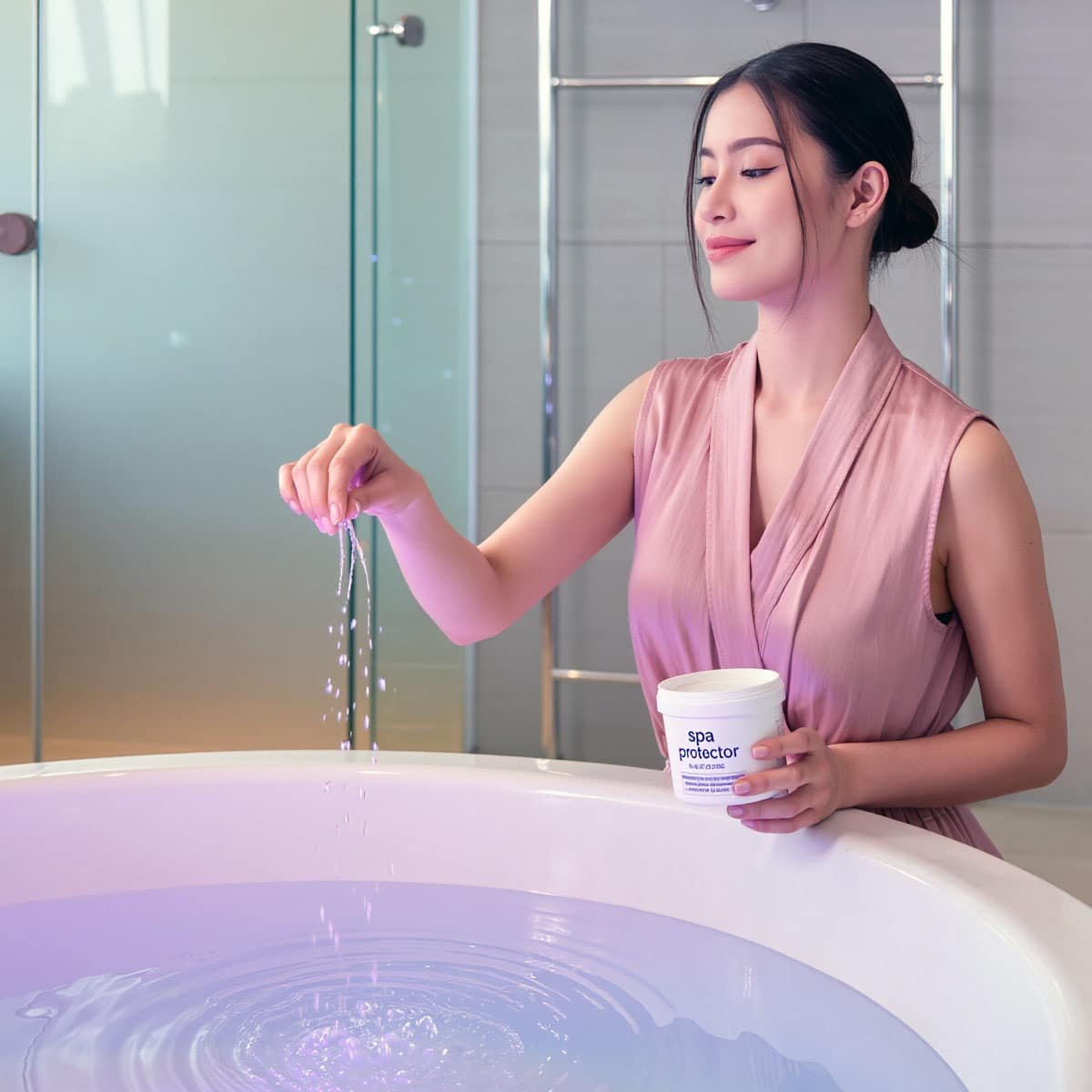
For many spa and hot tub owners, maintaining perfect water balance can feel like a constant battle of chemicals and testing. Sanitizers, shocks, clarifiers, and conditioners all have their place, yet managing them can quickly become overwhelming. This is where spa protector promises a revolution, positioning itself as an all in one solution that simplifies the chemical routine while keeping water clear and inviting.

Manufacturers of products like pool day spa protector describe them as powerful oxidizing and conditioning agents that can replace multiple individual chemicals. Supporters claim it can prevent cloudy or yellow water, protect equipment, and reduce the need for frequent sanitizer use. In this article, we will take an expert look at these claims and analyze exactly how spa protector all in one works, how it differs from traditional spa care, and whether it truly delivers what it promises.


1. What Exactly is Spa Protector and How Does It Work

At its core, spa protector is not a sanitizer but a supportive oxidizing and conditioning agent. Where sanitizers like chlorine or bromine destroy bacteria and microorganisms, spa protector works in the background, targeting the organic waste and dissolved materials that make the sanitizer’s job harder. By removing these contaminants, it improves both the clarity and longevity of your spa water.

Traditional spa maintenance often involves several products: non chlorine shock, clarifier, conditioner, and a sequestering agent to handle metals and scale. Spa protector combines these functions into one formula that simplifies the weekly routine. The chemistry behind it is based on non chlorine oxidizers, typically derivatives of potassium monopersulfate, blended with conditioning and sequestration compounds that bind metals and prevent scale formation.

The oxidizing process breaks down organic matter such as body oils, lotions, sweat, and biofilm buildup that accumulate in every hot tub. This helps maintain clean, fresh smelling water while also preserving sanitizer strength. When used regularly, it can prevent the buildup of dissolved solids that often cause water cloudiness and discoloration.

If your hot tub water is yellow, it might be time to check your filters.

Main functions of Spa Protector

  • Oxidizes organic contaminants to keep water fresh and clear
  • Clarifies by binding fine particles that cause haze
  • Conditions water for a softer and more comfortable feel
  • Sequesters metals to prevent staining and scale buildup

When viewed scientifically, spa protector acts as a chemical buffer system, ensuring that the sanitizer works efficiently and that water remains stable between water changes.


2. Does Spa Protector Really Work An Expert Analysis

Skepticism is common among spa owners who wonder whether this product truly performs as claimed. Many online discussions question if it is merely a fancy version of a non chlorine shock. From an expert standpoint, the answer depends on understanding its chemical role. Spa protector is a well formulated oxidizer and conditioner that complements sanitizer systems rather than replacing them.

The science behind its performance lies in oxidation and sequestration. A strong oxidizer neutralizes organic material before it can form combined chlorine or bromine compounds, which are responsible for unpleasant odors and cloudy water. The sequestration agents meanwhile capture trace metals such as iron or copper, preventing them from reacting with sanitizers or causing discoloration.

When properly used, users report two major benefits.
First, water clarity improves noticeably since contaminants are continuously oxidized before they can accumulate. Second, sanitizer consumption decreases because the sanitizer no longer wastes energy attacking non microbial contaminants.

Numerous spa protector reviews emphasize these effects. Users frequently highlight longer lasting water quality, easier maintenance, and improved comfort. However, professional testing confirms that spa protector alone cannot sanitize or disinfect water. It must always be used alongside an approved sanitizer such as chlorine or bromine to ensure safe soaking conditions.

Learn the standard 5 person hot tub dimensions before planning your patio layout.


3. Spa Protector vs Traditional Hot Tub Chemicals

Comparing traditional water care routines with the simplified spa protector approach helps clarify where the real benefits appear. Traditional routines involve multiple chemical categories: balancing pH and alkalinity, shocking, clarifying, conditioning, and metal sequestration. Spa protector replaces most of these steps with a single product that covers the same functions.

Our guide explains the typical hot tub temperature for therapeutic use.

Here is how the two systems compare:

AspectTraditional Spa CareSpa Protector Method
Number of ProductsFive to seven separate chemicalsOne product plus sanitizer
Testing FrequencyMultiple weekly adjustmentsSimple weekly addition
Water ClarityDependent on correct dosage of several productsMaintained consistently through oxidation and clarification
Cost EfficiencyHigher upfront and ongoing costReduced chemical expense over time
Ease of UseRequires chemical knowledge and balancingBeginner friendly routine

From an expert’s perspective, spa protector is not necessarily stronger than individual chemicals but rather more efficient in routine use. It provides a consistent, moderate level of oxidation and conditioning that prevents many common problems before they appear. For spa owners who value convenience, it represents a practical alternative that maintains stable water without daily testing and multiple product applications.


4. Troubleshooting Yellow Hot Tub Water A Comprehensive Guide

One of the most common spa issues users face is yellow or discolored water. This problem may appear shortly after refilling the spa or during routine operation, and it can result from several underlying causes.

Primary causes of yellow water

  1. Presence of metals such as iron or manganese in the source water
  2. Low sanitizer levels leading to microbial growth
  3. Organic contamination from lotions or body oils
  4. Early stages of yellow algae formation

Understanding the cause determines the right fix. When the discoloration results from organic waste or low sanitizer efficiency, spa protector can play a key preventive role. Its oxidizing action eliminates dissolved organics that would otherwise react with sanitizers to form colored compounds. Its sequestration chemistry binds trace metals, preventing them from turning the water yellow or brown upon contact with sanitizer.

The Spa Protector Method
Add the recommended dose after ensuring sanitizer and pH levels are in the proper range. Circulate the water for at least fifteen minutes. Within hours, yellow tint caused by organic or metal interaction usually clears. Regular weekly use prevents recurrence.

The Traditional Fix
If the discoloration persists, the source may involve metal saturation or algae. In that case, apply a metal remover, shock with a chlorine based oxidizer, balance pH to 7.4–7.6 and clean filters thoroughly. Always verify that your water source is not introducing excessive iron or copper.

Expert Tip
Regardless of method, consistent filter cleaning and accurate water testing are essential. Even the best chemical formula cannot compensate for dirty filters or unbalanced water parameters.

Our guide to massage therapy includes tips on choosing the right spa bed.


5. How to Use Spa Protector All In One The Right Way

Using spa protector all in one correctly ensures maximum benefit. The product is simple to apply but works best when integrated into a consistent maintenance schedule.

Getting Started
Before the first use, confirm that the water is balanced and that sanitizer levels are within normal range. Add the initial dose directly to the water with the circulation system running.

Weekly Maintenance
Apply one standard capful (approximately one ounce) for every 100 gallons of spa water once per week. Pour slowly over the water surface and allow circulation for at least fifteen minutes before use. No shocking or additional clarifier is needed unless the spa experiences heavy bather load.

Ongoing Care
Continue regular sanitizer checks. Spa protector does not replace sanitizer but supports it. If the spa is used frequently, a mid week half dose may maintain optimal clarity. Always keep filters clean and replace them according to manufacturer recommendations.

This article explains what a swim spa offers compared to traditional pools.


After reviewing the chemistry, performance, and practical feedback, spa protector can be defined as a powerful all in one oxidizer, clarifier, conditioner, and sequestering agent that simplifies spa maintenance. It is not a sanitizer and cannot replace chlorine or bromine, yet it greatly enhances their performance by removing waste that would otherwise consume them.

For spa owners seeking a more convenient and gentle water care routine, it represents an intelligent choice. By maintaining clean, balanced water with minimal effort, spa protector helps extend water life, preserve equipment, and deliver a consistently pleasant soaking experience. When used as directed and understood for what it is a protector and enhancer rather than a disinfectant it earns its reputation as a valuable component of modern spa care.

For many spa and hot tub owners, maintaining perfect water balance can feel like a constant battle of chemicals and testing. Sanitizers, shocks, clarifiers, and conditioners all have their place, yet managing them can quickly become overwhelming. This is where spa protector promises a revolution, positioning itself as an all in one solution that simplifies the chemical routine while keeping water clear and inviting.

Manufacturers of products like pool day spa protector describe them as powerful oxidizing and conditioning agents that can replace multiple individual chemicals. Supporters claim it can prevent cloudy or yellow water, protect equipment, and reduce the need for frequent sanitizer use. In this article, we will take an expert look at these claims and analyze exactly how spa protector all in one works, how it differs from traditional spa care, and whether it truly delivers what it promises.


1. What Exactly is Spa Protector and How Does It Work

At its core, spa protector is not a sanitizer but a supportive oxidizing and conditioning agent. Where sanitizers like chlorine or bromine destroy bacteria and microorganisms, spa protector works in the background, targeting the organic waste and dissolved materials that make the sanitizer’s job harder. By removing these contaminants, it improves both the clarity and longevity of your spa water.

Traditional spa maintenance often involves several products: non chlorine shock, clarifier, conditioner, and a sequestering agent to handle metals and scale. Spa protector combines these functions into one formula that simplifies the weekly routine. The chemistry behind it is based on non chlorine oxidizers, typically derivatives of potassium monopersulfate, blended with conditioning and sequestration compounds that bind metals and prevent scale formation.

The oxidizing process breaks down organic matter such as body oils, lotions, sweat, and biofilm buildup that accumulate in every hot tub. This helps maintain clean, fresh smelling water while also preserving sanitizer strength. When used regularly, it can prevent the buildup of dissolved solids that often cause water cloudiness and discoloration.

If your hot tub water is yellow, it might be time to check your filters.

Main functions of Spa Protector

  • Oxidizes organic contaminants to keep water fresh and clear
  • Clarifies by binding fine particles that cause haze
  • Conditions water for a softer and more comfortable feel
  • Sequesters metals to prevent staining and scale buildup

When viewed scientifically, spa protector acts as a chemical buffer system, ensuring that the sanitizer works efficiently and that water remains stable between water changes.


2. Does Spa Protector Really Work An Expert Analysis

Skepticism is common among spa owners who wonder whether this product truly performs as claimed. Many online discussions question if it is merely a fancy version of a non chlorine shock. From an expert standpoint, the answer depends on understanding its chemical role. Spa protector is a well formulated oxidizer and conditioner that complements sanitizer systems rather than replacing them.

The science behind its performance lies in oxidation and sequestration. A strong oxidizer neutralizes organic material before it can form combined chlorine or bromine compounds, which are responsible for unpleasant odors and cloudy water. The sequestration agents meanwhile capture trace metals such as iron or copper, preventing them from reacting with sanitizers or causing discoloration.

When properly used, users report two major benefits.
First, water clarity improves noticeably since contaminants are continuously oxidized before they can accumulate. Second, sanitizer consumption decreases because the sanitizer no longer wastes energy attacking non microbial contaminants.

Numerous spa protector reviews emphasize these effects. Users frequently highlight longer lasting water quality, easier maintenance, and improved comfort. However, professional testing confirms that spa protector alone cannot sanitize or disinfect water. It must always be used alongside an approved sanitizer such as chlorine or bromine to ensure safe soaking conditions.

Learn the standard 5 person hot tub dimensions before planning your patio layout.


3. Spa Protector vs Traditional Hot Tub Chemicals

Comparing traditional water care routines with the simplified spa protector approach helps clarify where the real benefits appear. Traditional routines involve multiple chemical categories: balancing pH and alkalinity, shocking, clarifying, conditioning, and metal sequestration. Spa protector replaces most of these steps with a single product that covers the same functions.

Our guide explains the typical hot tub temperature for therapeutic use.

Here is how the two systems compare:

AspectTraditional Spa CareSpa Protector Method
Number of ProductsFive to seven separate chemicalsOne product plus sanitizer
Testing FrequencyMultiple weekly adjustmentsSimple weekly addition
Water ClarityDependent on correct dosage of several productsMaintained consistently through oxidation and clarification
Cost EfficiencyHigher upfront and ongoing costReduced chemical expense over time
Ease of UseRequires chemical knowledge and balancingBeginner friendly routine

From an expert’s perspective, spa protector is not necessarily stronger than individual chemicals but rather more efficient in routine use. It provides a consistent, moderate level of oxidation and conditioning that prevents many common problems before they appear. For spa owners who value convenience, it represents a practical alternative that maintains stable water without daily testing and multiple product applications.


4. Troubleshooting Yellow Hot Tub Water A Comprehensive Guide

One of the most common spa issues users face is yellow or discolored water. This problem may appear shortly after refilling the spa or during routine operation, and it can result from several underlying causes.

Primary causes of yellow water

  1. Presence of metals such as iron or manganese in the source water
  2. Low sanitizer levels leading to microbial growth
  3. Organic contamination from lotions or body oils
  4. Early stages of yellow algae formation

Understanding the cause determines the right fix. When the discoloration results from organic waste or low sanitizer efficiency, spa protector can play a key preventive role. Its oxidizing action eliminates dissolved organics that would otherwise react with sanitizers to form colored compounds. Its sequestration chemistry binds trace metals, preventing them from turning the water yellow or brown upon contact with sanitizer.

The Spa Protector Method
Add the recommended dose after ensuring sanitizer and pH levels are in the proper range. Circulate the water for at least fifteen minutes. Within hours, yellow tint caused by organic or metal interaction usually clears. Regular weekly use prevents recurrence.

The Traditional Fix
If the discoloration persists, the source may involve metal saturation or algae. In that case, apply a metal remover, shock with a chlorine based oxidizer, balance pH to 7.4–7.6 and clean filters thoroughly. Always verify that your water source is not introducing excessive iron or copper.

Expert Tip
Regardless of method, consistent filter cleaning and accurate water testing are essential. Even the best chemical formula cannot compensate for dirty filters or unbalanced water parameters.

Our guide to massage therapy includes tips on choosing the right spa bed.


5. How to Use Spa Protector All In One The Right Way

Using spa protector all in one correctly ensures maximum benefit. The product is simple to apply but works best when integrated into a consistent maintenance schedule.

Getting Started
Before the first use, confirm that the water is balanced and that sanitizer levels are within normal range. Add the initial dose directly to the water with the circulation system running.

Weekly Maintenance
Apply one standard capful (approximately one ounce) for every 100 gallons of spa water once per week. Pour slowly over the water surface and allow circulation for at least fifteen minutes before use. No shocking or additional clarifier is needed unless the spa experiences heavy bather load.

Ongoing Care
Continue regular sanitizer checks. Spa protector does not replace sanitizer but supports it. If the spa is used frequently, a mid week half dose may maintain optimal clarity. Always keep filters clean and replace them according to manufacturer recommendations.

This article explains what a swim spa offers compared to traditional pools.


After reviewing the chemistry, performance, and practical feedback, spa protector can be defined as a powerful all in one oxidizer, clarifier, conditioner, and sequestering agent that simplifies spa maintenance. It is not a sanitizer and cannot replace chlorine or bromine, yet it greatly enhances their performance by removing waste that would otherwise consume them.

For spa owners seeking a more convenient and gentle water care routine, it represents an intelligent choice. By maintaining clean, balanced water with minimal effort, spa protector helps extend water life, preserve equipment, and deliver a consistently pleasant soaking experience. When used as directed and understood for what it is a protector and enhancer rather than a disinfectant it earns its reputation as a valuable component of modern spa care.

For many spa and hot tub owners, maintaining perfect water balance can feel like a constant battle of chemicals and testing. Sanitizers, shocks, clarifiers, and conditioners all have their place, yet managing them can quickly become overwhelming. This is where spa protector promises a revolution, positioning itself as an all in one solution that simplifies the chemical routine while keeping water clear and inviting.

Manufacturers of products like pool day spa protector describe them as powerful oxidizing and conditioning agents that can replace multiple individual chemicals. Supporters claim it can prevent cloudy or yellow water, protect equipment, and reduce the need for frequent sanitizer use. In this article, we will take an expert look at these claims and analyze exactly how spa protector all in one works, how it differs from traditional spa care, and whether it truly delivers what it promises.


1. What Exactly is Spa Protector and How Does It Work

At its core, spa protector is not a sanitizer but a supportive oxidizing and conditioning agent. Where sanitizers like chlorine or bromine destroy bacteria and microorganisms, spa protector works in the background, targeting the organic waste and dissolved materials that make the sanitizer’s job harder. By removing these contaminants, it improves both the clarity and longevity of your spa water.

Traditional spa maintenance often involves several products: non chlorine shock, clarifier, conditioner, and a sequestering agent to handle metals and scale. Spa protector combines these functions into one formula that simplifies the weekly routine. The chemistry behind it is based on non chlorine oxidizers, typically derivatives of potassium monopersulfate, blended with conditioning and sequestration compounds that bind metals and prevent scale formation.

The oxidizing process breaks down organic matter such as body oils, lotions, sweat, and biofilm buildup that accumulate in every hot tub. This helps maintain clean, fresh smelling water while also preserving sanitizer strength. When used regularly, it can prevent the buildup of dissolved solids that often cause water cloudiness and discoloration.

If your hot tub water is yellow, it might be time to check your filters.

Main functions of Spa Protector

  • Oxidizes organic contaminants to keep water fresh and clear
  • Clarifies by binding fine particles that cause haze
  • Conditions water for a softer and more comfortable feel
  • Sequesters metals to prevent staining and scale buildup

When viewed scientifically, spa protector acts as a chemical buffer system, ensuring that the sanitizer works efficiently and that water remains stable between water changes.


2. Does Spa Protector Really Work An Expert Analysis

Skepticism is common among spa owners who wonder whether this product truly performs as claimed. Many online discussions question if it is merely a fancy version of a non chlorine shock. From an expert standpoint, the answer depends on understanding its chemical role. Spa protector is a well formulated oxidizer and conditioner that complements sanitizer systems rather than replacing them.

The science behind its performance lies in oxidation and sequestration. A strong oxidizer neutralizes organic material before it can form combined chlorine or bromine compounds, which are responsible for unpleasant odors and cloudy water. The sequestration agents meanwhile capture trace metals such as iron or copper, preventing them from reacting with sanitizers or causing discoloration.

When properly used, users report two major benefits.
First, water clarity improves noticeably since contaminants are continuously oxidized before they can accumulate. Second, sanitizer consumption decreases because the sanitizer no longer wastes energy attacking non microbial contaminants.

Numerous spa protector reviews emphasize these effects. Users frequently highlight longer lasting water quality, easier maintenance, and improved comfort. However, professional testing confirms that spa protector alone cannot sanitize or disinfect water. It must always be used alongside an approved sanitizer such as chlorine or bromine to ensure safe soaking conditions.

Learn the standard 5 person hot tub dimensions before planning your patio layout.


3. Spa Protector vs Traditional Hot Tub Chemicals

Comparing traditional water care routines with the simplified spa protector approach helps clarify where the real benefits appear. Traditional routines involve multiple chemical categories: balancing pH and alkalinity, shocking, clarifying, conditioning, and metal sequestration. Spa protector replaces most of these steps with a single product that covers the same functions.

Our guide explains the typical hot tub temperature for therapeutic use.

Here is how the two systems compare:

AspectTraditional Spa CareSpa Protector Method
Number of ProductsFive to seven separate chemicalsOne product plus sanitizer
Testing FrequencyMultiple weekly adjustmentsSimple weekly addition
Water ClarityDependent on correct dosage of several productsMaintained consistently through oxidation and clarification
Cost EfficiencyHigher upfront and ongoing costReduced chemical expense over time
Ease of UseRequires chemical knowledge and balancingBeginner friendly routine

From an expert’s perspective, spa protector is not necessarily stronger than individual chemicals but rather more efficient in routine use. It provides a consistent, moderate level of oxidation and conditioning that prevents many common problems before they appear. For spa owners who value convenience, it represents a practical alternative that maintains stable water without daily testing and multiple product applications.


4. Troubleshooting Yellow Hot Tub Water A Comprehensive Guide

One of the most common spa issues users face is yellow or discolored water. This problem may appear shortly after refilling the spa or during routine operation, and it can result from several underlying causes.

Primary causes of yellow water

  1. Presence of metals such as iron or manganese in the source water
  2. Low sanitizer levels leading to microbial growth
  3. Organic contamination from lotions or body oils
  4. Early stages of yellow algae formation

Understanding the cause determines the right fix. When the discoloration results from organic waste or low sanitizer efficiency, spa protector can play a key preventive role. Its oxidizing action eliminates dissolved organics that would otherwise react with sanitizers to form colored compounds. Its sequestration chemistry binds trace metals, preventing them from turning the water yellow or brown upon contact with sanitizer.

The Spa Protector Method
Add the recommended dose after ensuring sanitizer and pH levels are in the proper range. Circulate the water for at least fifteen minutes. Within hours, yellow tint caused by organic or metal interaction usually clears. Regular weekly use prevents recurrence.

The Traditional Fix
If the discoloration persists, the source may involve metal saturation or algae. In that case, apply a metal remover, shock with a chlorine based oxidizer, balance pH to 7.4–7.6 and clean filters thoroughly. Always verify that your water source is not introducing excessive iron or copper.

Expert Tip
Regardless of method, consistent filter cleaning and accurate water testing are essential. Even the best chemical formula cannot compensate for dirty filters or unbalanced water parameters.

Our guide to massage therapy includes tips on choosing the right spa bed.


5. How to Use Spa Protector All In One The Right Way

Using spa protector all in one correctly ensures maximum benefit. The product is simple to apply but works best when integrated into a consistent maintenance schedule.

Getting Started
Before the first use, confirm that the water is balanced and that sanitizer levels are within normal range. Add the initial dose directly to the water with the circulation system running.

Weekly Maintenance
Apply one standard capful (approximately one ounce) for every 100 gallons of spa water once per week. Pour slowly over the water surface and allow circulation for at least fifteen minutes before use. No shocking or additional clarifier is needed unless the spa experiences heavy bather load.

Ongoing Care
Continue regular sanitizer checks. Spa protector does not replace sanitizer but supports it. If the spa is used frequently, a mid week half dose may maintain optimal clarity. Always keep filters clean and replace them according to manufacturer recommendations.

This article explains what a swim spa offers compared to traditional pools.


After reviewing the chemistry, performance, and practical feedback, spa protector can be defined as a powerful all in one oxidizer, clarifier, conditioner, and sequestering agent that simplifies spa maintenance. It is not a sanitizer and cannot replace chlorine or bromine, yet it greatly enhances their performance by removing waste that would otherwise consume them.

For spa owners seeking a more convenient and gentle water care routine, it represents an intelligent choice. By maintaining clean, balanced water with minimal effort, spa protector helps extend water life, preserve equipment, and deliver a consistently pleasant soaking experience. When used as directed and understood for what it is a protector and enhancer rather than a disinfectant it earns its reputation as a valuable component of modern spa care.

1 COMMENT

Comments are closed.

Hot Tub & Spa Help

At Hot Tub Spa Help, our goal is to be your trusted guide in the world of hot tubs and spas. We aim to provide you with the most accurate and practical information on everything you're curious about regarding these specialty products. On our site, you will find comprehensive articles that reflect expert opinions and our own industry experience—from maintenance tips and troubleshooting to choosing the best equipment and understanding water chemistry. We are proud to offer all of this valuable content completely free of charge, making it easier for everyone to access the knowledge they need.Our primary motivation is seeing our readers benefit from our resource and enjoy a trouble-free hot tub experience. Our mission is to create an unbiased resource free from sales pressure, one that prioritizes user experience and safety above all else. Thank you for being a part of this community; we are glad to have you here.

Recent posts

Recent comments